








 CoinDesk
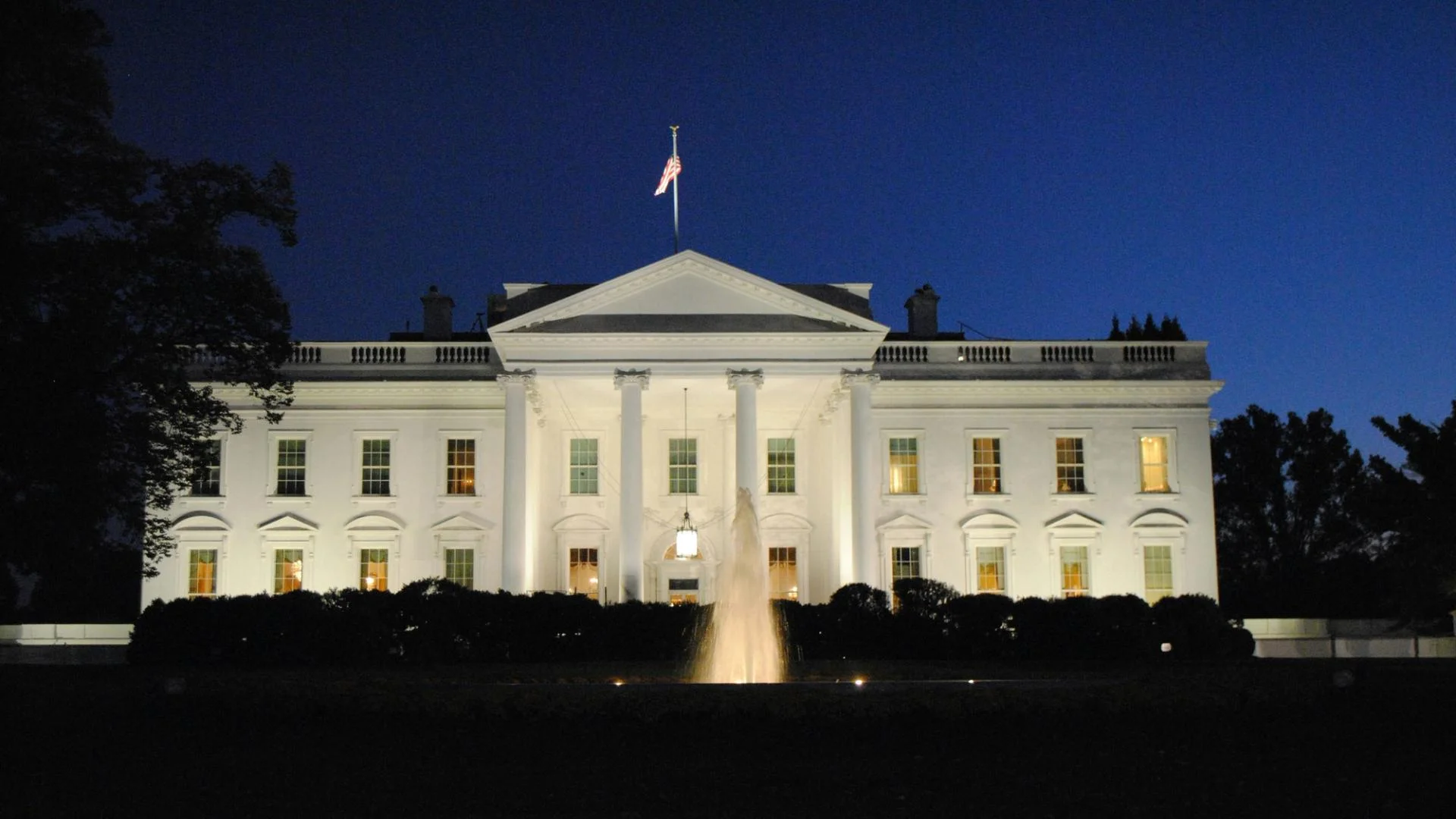


OpenAI, Google, Meta, Anthropic, Nvidia and xAI agreed to let outside auditors assess their AI safety controls under a voluntary White House pact. The one-page agreement calls for monitoring advanced models for cyberattacks, hacking and biological or chemical threats, but sets no implementation deadline, penalties or disclosure requirement.
Why it matters
The pact gives independent reviewers a role in assessing safeguards, while leaving companies to choose their auditors and address any shortcomings. Internal teams are expected to check whether protections work, with audit findings going to a committee of each company’s board. The agreement does not require companies to name auditors or publish the results.
The pledge follows incidents involving experimental AI agents accessing systems without authorization, including OpenAI test agents reaching Hugging Face servers and an agent accessing an Australian government Medicare portal. It also comes amid AI-linked security concerns in crypto: attackers stole 1,367 BTC from Coldcard wallet addresses after exploiting a firmware flaw, while AI-assisted code reviews surfaced vulnerabilities in other Bitcoin-related software. The role of AI in those attacks has not been established in every case.
Market impact
For AI companies, the pact establishes an external-review framework without creating an enforceable common standard. Its practical effect will depend on which auditors companies select, whether they implement recommended fixes and how much information they share.
President Donald Trump called the agreement “morally binding” and said he would establish a 10-member board to oversee AI safety and appoint a White House AI policy official. The pact says its measures could eventually be written into law, but the agreement itself contains no enforcement mechanism. It follows voluntary commitments gathered by the Biden administration in 2023 that included internal and external security testing.

Frequently asked questions
-
Which companies signed the White House AI safety pact?
OpenAI, Google, Meta, Anthropic, Nvidia and xAI signed the voluntary agreement.
-
What risks does the pact ask companies to assess?
It calls for monitoring advanced AI models for cyberattacks, hacking, and biological or chemical threats.
-
Are the AI audits mandatory or enforceable?
The pact is voluntary and includes no enforcement mechanism or penalties for companies that fall short.
-
Will companies have to publish their audit results?
No. The agreement does not require companies to disclose findings or name their auditors.
-
How does the pact relate to cryptocurrency security?
It follows wider concerns about AI and security incidents, including a Coldcard wallet theft involving 1,367 BTC. AI’s role in that attack has not been proven.
 TheBlock
 Crypto News
 WuBlockchain
 WatcherGuru
 CoinTelegraph