








 CoinDesk
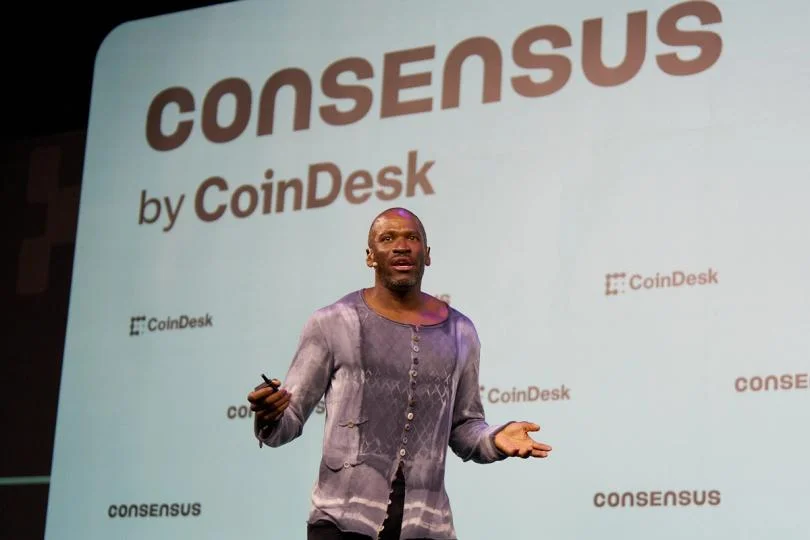


Arthur Hayes, chief investment officer of Maelstrom and co-founder of BitMEX, said on X that he liquidated his entire zcash (ZEC) position after Shielded Labs disclosed a critical vulnerability in the network's Orchard Pool that had gone undetected since 2022 and could have allowed a hacker to mint unlimited counterfeit ZEC. The bug was discovered on May 29 and patched by June 1, but the disclosure wiped more than 42% off ZEC in 24 hours and dragged the broader privacy-coin complex lower.
Hayes, who had previously championed ZEC, said he believed exploitation was extremely unlikely but admitted it could not be cryptographically proven impossible — a distinction that broke his thesis. "I read about the exploit yesterday, and didn't appreciate how it violated my narrative mental map," he wrote. "The 30% dump made me rethink, and I had to take profit on the entire position."
Why it matters
A four-year supply-integrity bug in a top-ten privacy coin is a different category of incident from a typical DeFi exploit. Shielded Labs said the flaw could have been used to print unlimited ZEC, meaning every holder was repricing the credibility of the entire monetary base — not just one pool's TVL. Hayes framing the exit around a "narrative mental map" being violated underscores the asymmetry: the cost of the bug being real is infinite, while the upside of waiting for confirmation is another entry lower.
Blockchain analytics firm Arkham noted that one large holder lost over half the value on a $174 million ZEC stash without selling for six months, a passive-investor casualty that amplifies the reputational damage beyond active traders.
Market impact
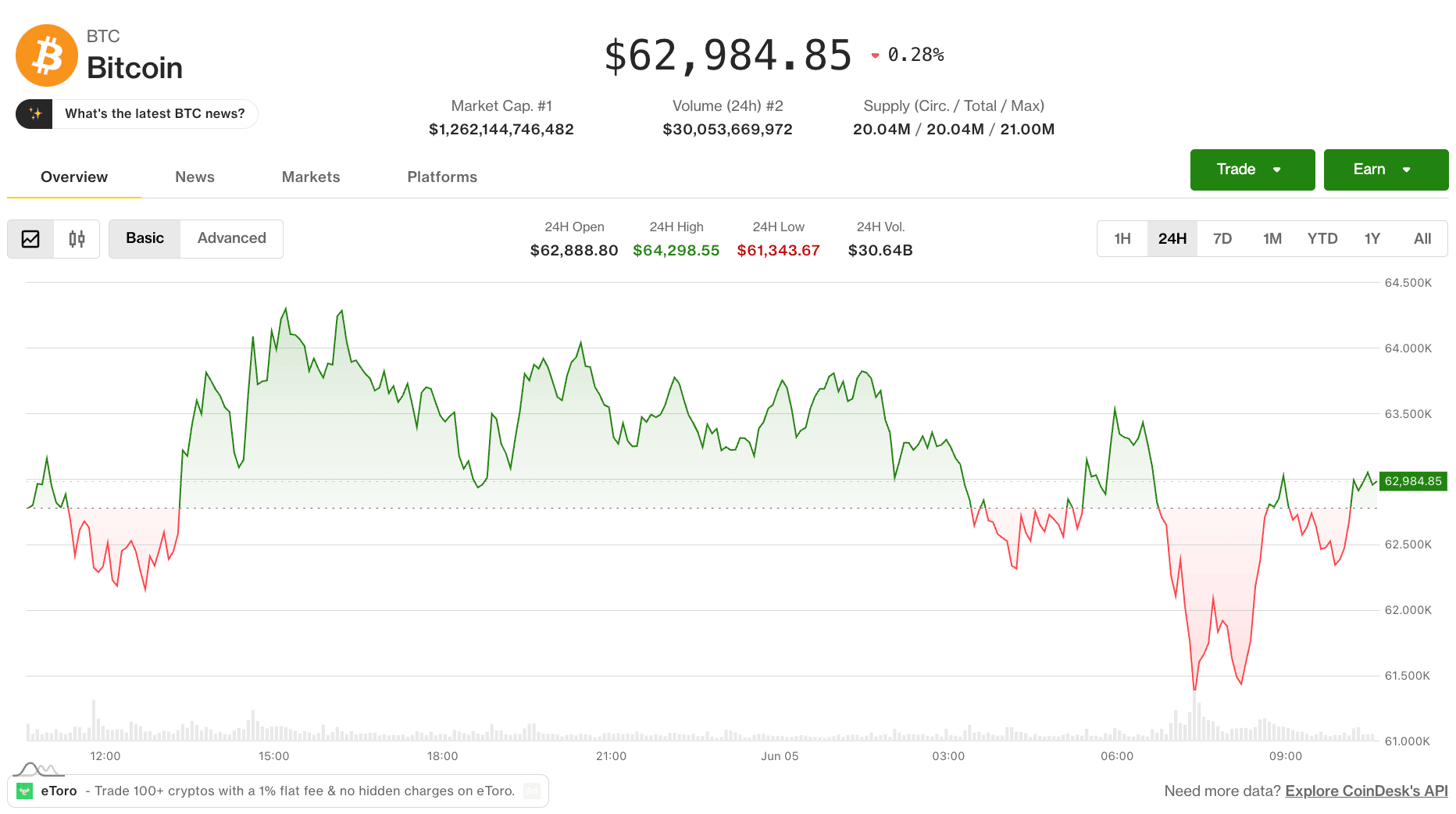
ZEC's 42% slide lands inside the worst week for crypto since July 2024, with Bitcoin down nearly 15% and ether off more than 17% on the lowest monthly spot volume since October 2023. Hayes said he would reevaluate if his assumptions proved wrong and would buy ZEC back "hopefully at lower prices" — a conditional bid, not a capitulation of the privacy thesis itself, but a clear signal that supply-integrity disclosures now move capital faster than macro.

Frequently asked questions
-
What was the vulnerability in ZEC's Orchard Pool?
Shielded Labs disclosed a critical bug in zcash's Orchard Pool that had been present since 2022 and could have allowed a hacker to mint unlimited counterfeit ZEC. It was discovered on May 29 and fixed by June 1.
-
Why did Arthur Hayes sell his ZEC?
Hayes said the disclosure broke his thesis on ZEC. He believed exploitation was extremely unlikely but acknowledged it could not be cryptographically proven impossible — an asymmetry that violated his "narrative mental map" and triggered a full exit after a 30% intraday drop.
-
How much did ZEC fall after the disclosure?
ZEC slumped more than 42% over 24 hours following the announcement, according to the report. Hayes cited the 30% intraday move as his trigger to exit the position entirely.
-
Will Hayes buy ZEC back?
Hayes said he would reevaluate his stance and that, if his assumptions about the exploit prove incorrect, he would buy ZEC again "hopefully at lower prices." The buyback is conditional on the supply-integrity concerns being resolved.
-
How does this fit into the broader crypto market?
The ZEC selloff landed inside the worst week for crypto since July 2024, with Bitcoin down nearly 15% and ether off more than 17% on the lowest monthly spot volume since October 2023. The incident added a supply-integrity shock on top of an already weak tape.
 CryptoSlate
 WuBlockchain
 TheBlock
 Crypto News