








 CoinDesk
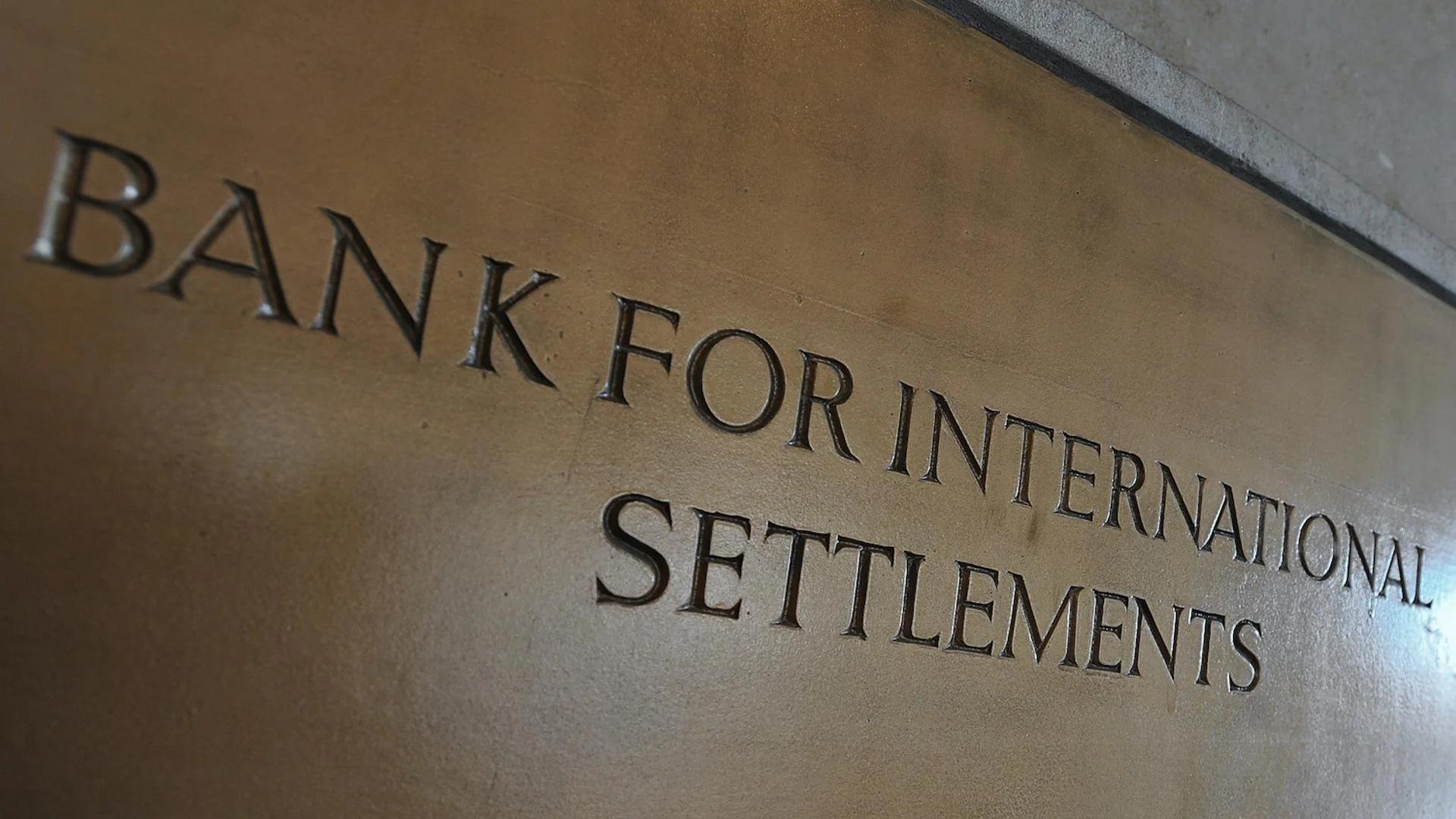


Twenty-eight commercial banks, including JPMorgan, Citi, UBS, Deutsche Bank and Standard Chartered, completed real cross-border payments using tokenized central bank reserves and commercial bank deposits under the Bank for International Settlements' Project Agorá. The pilot processed roughly $1 million (about CHF 800,000) across 30 transactions denominated in six currencies, with payments settling in an average of roughly 80 seconds on a shared ledger.
The five central banks backing the project sit alongside the commercial lenders in a structure designed to test whether the same tokenization stack can modernize wholesale payments without displacing the correspondent-banking system that today routes the bulk of cross-border transfers.
Why it matters
The pilot is the clearest signal yet that wholesale tokenization is graduating from sandbox experiments into the core plumbing of global finance. By placing tokenized reserves and commercial bank deposits on a single shared ledger, the project collapses the multi-step correspondent-bank sequence into one atomic settlement, removing the settlement risk that has historically made cross-border transfers slow and expensive.
The simultaneous foreign-exchange leg is the underappreciated beat. Banks exchanged two currencies at the same time rather than sequencing one leg against the other, which eliminates the delivery-versus-payment risk that has long been the structural vulnerability of FX settlement at scale.
Market impact
The pilot lands as stablecoins and tokenized money-market funds have already started absorbing real corporate-treasury and cross-border payment flows. Project Agorá is the central-bank-anchored counterpart to that private-sector momentum, and its ability to settle in 80 seconds without a direct integration into legacy payment rails is the number the rest of the wholesale-banking industry will benchmark against. The next watch item is whether any of the five participating central banks advances the prototype into a production-grade deployment beyond the test window.
Frequently asked questions
-
What is BIS Project Agorá?
Project Agorá is a Bank for International Settlements pilot that brought together five central banks and 28 commercial lenders, including JPMorgan, Citi and UBS, to test cross-border payments using tokenized central bank reserves and commercial bank deposits on a shared ledger.
-
How much money did Project Agorá actually move?
The pilot processed roughly $1 million, about CHF 800,000, across 30 transactions denominated in six currencies: the US dollar, euro, British pound, Japanese yen, Swiss franc and South Korean won.
-
How fast did the BIS tokenized payments settle?
Payments settled in an average of roughly 80 seconds on a shared ledger, even though the prototype was not directly integrated with the banks' existing payment infrastructure.
-
How is Project Agorá different from stablecoins?
Unlike stablecoins issued by private firms such as Circle and Tether, Project Agorá tokenizes two forms of traditional bank money: central bank reserves used by commercial banks to settle with one another, and commercial bank deposits held by customers.
-
Why does the simultaneous FX leg matter?
The pilot let banks exchange two currencies at the same time rather than waiting for one leg to settle before completing the other, which removes the delivery-versus-payment risk that has long been the structural vulnerability of FX settlement at scale.
 Crypto Rank News
 Crypto News
 TheBlock
 CryptoSlate
 WuBlockchain