








 CoinDesk
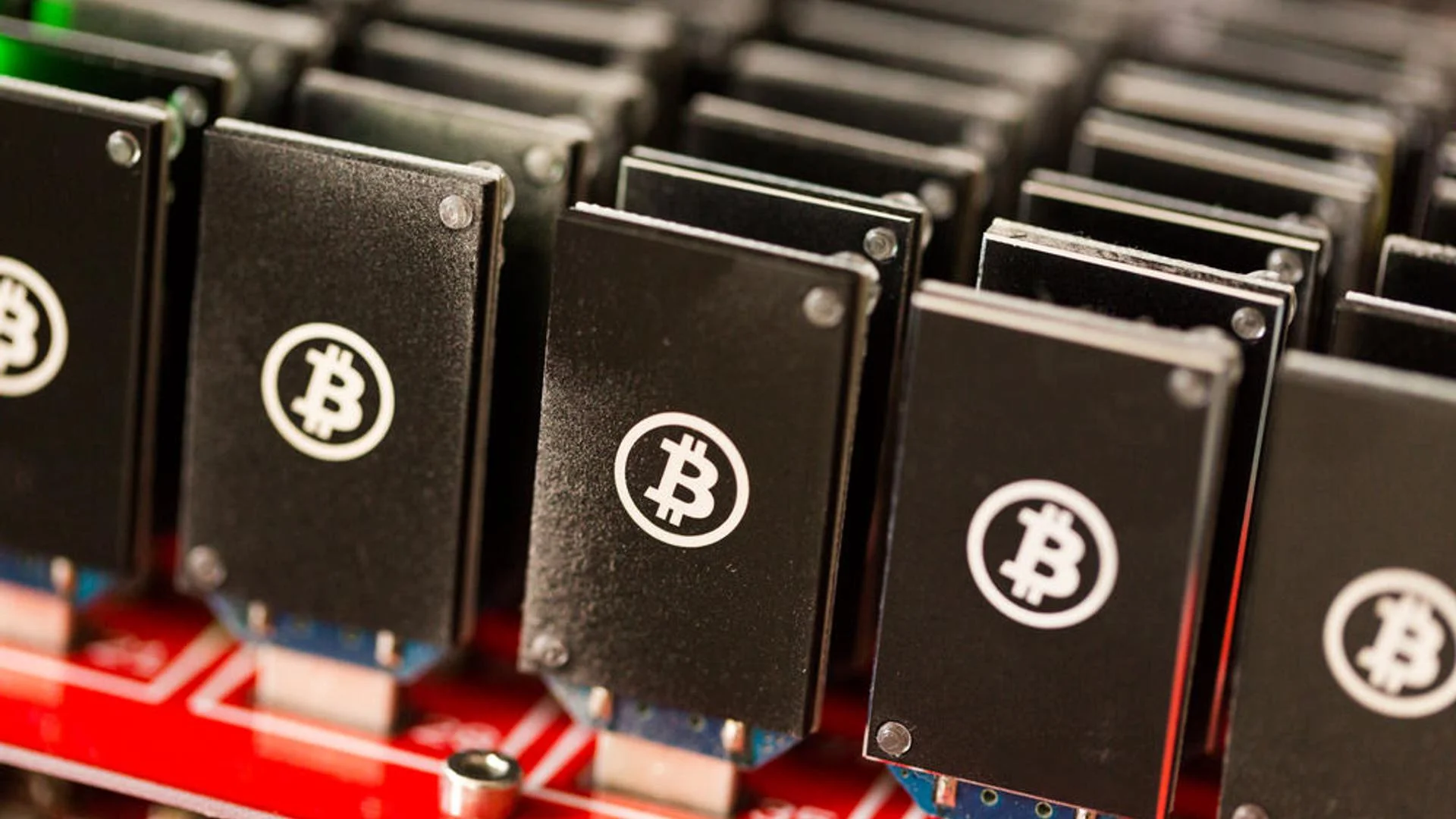


Bitcoin miners that pivoted their power infrastructure to AI and high-performance computing now trade at 12.3 times enterprise value, more than double the 5.9x multiple awarded to pure-play operators, according to CoinShares' first-quarter mining report. The divergence has widened as bitcoin slid 45% over eight months and dragged the network's hashprice from $63 per petahash per second in July 2024 to roughly $31.80 today. Miners have signed a cumulative $70 billion in AI and HPC contracts through the end of Q1, with marquee deals continuing into Q2.
Why it matters
Both industries run on the same raw inputs: cheap, firm power deals to feed massive compute warehouses, plus the operational know-how to keep specialised hardware online at scale. With AI demand surging and bitcoin mining margins compressed, the market has repriced the companies that locked in long-dated HPC contracts and left the pure-plays behind.
The structural read is that the real value was never in producing or holding bitcoin. It was in controlling access to scarce power and infrastructure, expertise that translates directly into compute-heavy applications such as AI inference and training, where stable, long-term contracts generate the kind of recurring revenue mining rarely offered.
Market impact
Stock returns over the past year underline the gap. TerraWulf, IREN and Cipher Digital have more than doubled, while MARA Holdings, slower to pivot, has fallen 40%. Riot Platforms' shares have climbed from around $3 to $20 over four years; last week it signed a 20-year lease with Anthropic valued at $9.1 billion.
Hashrate capitulation is the other side of the trade. The Bitcoin network's hashrate has dropped to 900 exahash per second from 1.14 zettahash, roughly a 21% decline, with miners shutting down unprofitable machines in growing numbers. CoinShares notes this is already one of the longest capitulation cycles on record, and it may not be over. A recovery in bitcoin to its $126,000 October high could push hashprice back toward $59 per PH/s, materially improving pure-play economics, though the AI-pivot valuation premium has already been priced in.

Frequently asked questions
-
Why do Bitcoin miners with AI contracts trade at more than double the valuation of pure-play miners?
Miners that secured long-term HPC contracts command 12.3x enterprise value versus 5.9x for pure-play operators, per CoinShares' Q1 report. The premium reflects the stable, recurring revenue that AI compute deals deliver versus the volatile per-petahash economics of bitcoin mining.
-
How much has Bitcoin's hashprice fallen during the current downturn?
Hashprice dropped from $63 per petahash per second in July 2024 to roughly $31.80 today, a near-halving. Bitcoin itself slid 45% over the eight-month stretch, compressing miner margins.
-
How far has the Bitcoin network's hashrate fallen during this capitulation cycle?
Hashrate declined to 900 exahash per second from 1.14 zettahash per second, roughly a 21% drop. Many miners are turning off unprofitable machines, making this one of the longest capitulation cycles on record.
-
What AI deals have Bitcoin miners announced recently?
Riot Platforms signed a 20-year, $9.1 billion lease with Anthropic last week. Across the sector, miners have stacked a cumulative $70 billion in AI and HPC contracts through Q1, with marquee deals continuing into Q2.
-
Could bitcoin mining economics revive if BTC returns to its all-time high?
CoinShares estimates that a recovery to $126,000 would lift hashprice back to roughly $59 per PH/s, materially improving mining economics. That would revive pure-play miner appeal, though the AI-pivot valuation premium would likely persist.
 WatcherGuru
 Benjamin Cowen
 CryptoSlate
 CoinTelegraph
 WuBlockchain
 Crypto News
 TheBlock