








 CryptoSlate
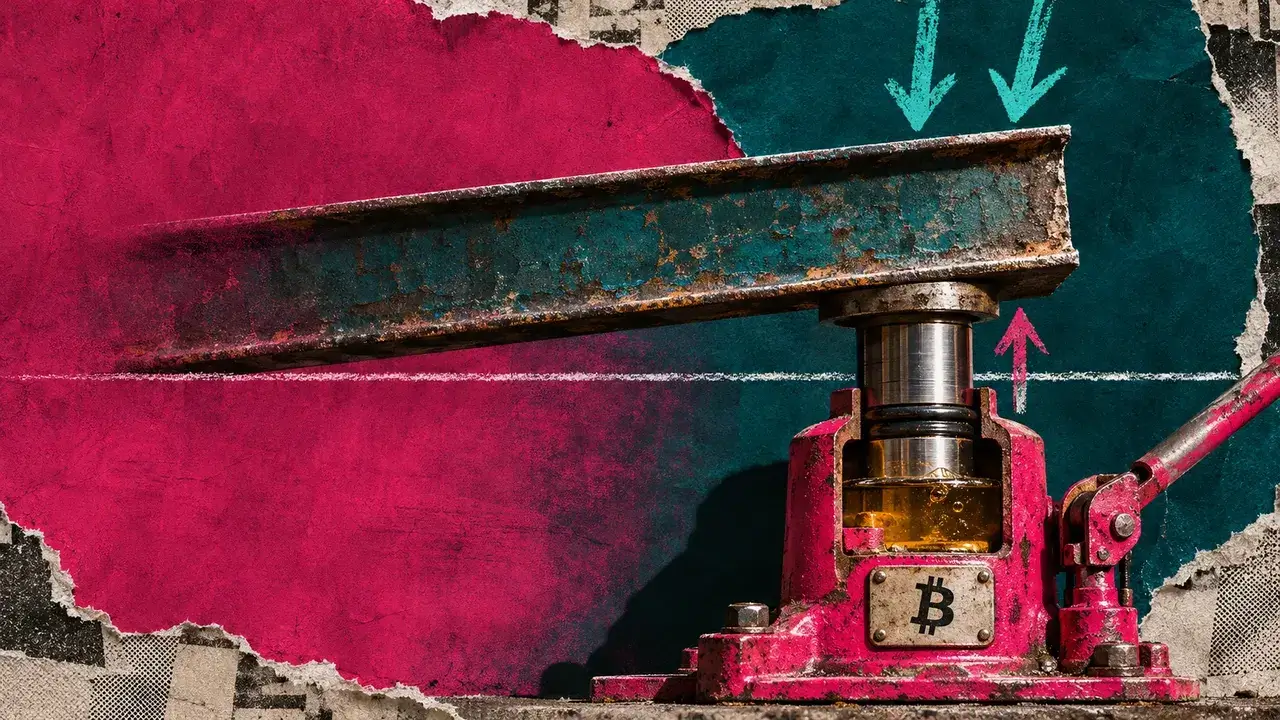

Bitcoin mining difficulty rose 7.61% on Nov. 27, cutting expected BTC earnings from the same computing power by 7.08%, assuming average transaction fees remain unchanged. The adjustment lifted difficulty from 134.82 trillion to 145.09 trillion and reversed much of the relief from a 9.1% drop on Nov. 14. Glassnode says network hashrate has fallen 8% year over year, its first annual contraction since China's 2021 mining ban.
Why it matters
A 7.8% recovery in Bitcoin's seven-day average hashrate to 1,033 exahashes per second helped drive the latest difficulty increase. That short-term rebound came against a longer-term decline that Glassnode attributed to falling Bitcoin prices and record-low hashprice, a measure of miner revenue per unit of computing power.
Hashprice fell to $29.36 per petahash per day on Nov. 23, according to Luxor's Hashrate Index. More difficulty means an operator with unchanged computing power can expect a smaller share of network rewards, adding pressure on miners already switching off machines.
Market impact
From a starting price of $60,000, Bitcoin would need to rise to approximately $64,570 to restore miners' previous gross dollar revenue, assuming transaction fees stay unchanged. Alternatively, with the price unchanged, average fees would need to rise roughly tenfold to 0.2664 BTC per block.
Fees averaged 0.0265 BTC across the 128 blocks mined in the 24 hours before the adjustment, less than 1% of mining rewards. That leaves miners heavily dependent on Bitcoin's price as they weigh whether to keep machines running ahead of the next difficulty adjustment.

Frequently asked questions
-
How much does the difficulty increase reduce expected Bitcoin mining earnings?
The 7.61% increase reduces expected BTC earnings from the same computing power by 7.08%, assuming average transaction fees remain unchanged.
-
Why did mining difficulty rise despite the annual hashrate decline?
A shorter-term recovery in Bitcoin's seven-day average hashrate helped drive the adjustment, even though Glassnode reported that hashrate was down 8% year over year.
-
What Bitcoin price would restore miners' previous gross dollar revenue?
From a starting price of $60,000, Bitcoin would need to rise to approximately $64,570, assuming transaction fees remain unchanged.
-
Can transaction fees offset the difficulty increase?
At an unchanged Bitcoin price, average fees would need to rise roughly tenfold to 0.2664 BTC per block. They averaged 0.0265 BTC across the 128 blocks mined in the 24 hours before the adjustment.
-
What has pushed Bitcoin miners to switch off machines?
Glassnode attributed the annual hashrate contraction to falling Bitcoin prices and record-low hashprice, a measure of miner revenue per unit of computing power.
 WuBlockchain
 TheBlock
 CoinDesk
 CoinTelegraph
 WatcherGuru