








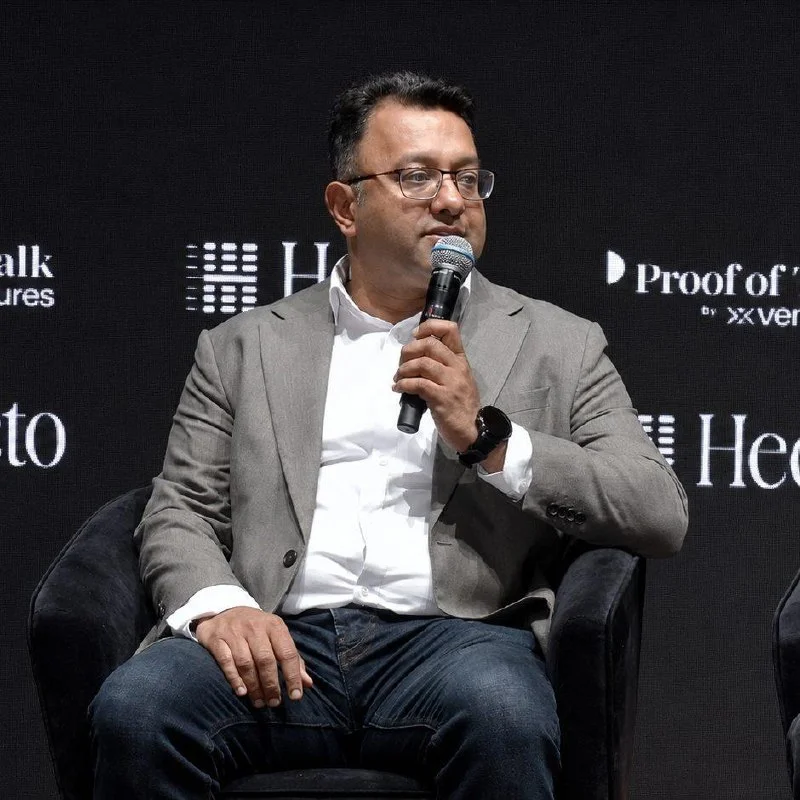

Nikhil Sharma, a senior figure at BlackRock, is making the case that tokenization fundamentally dismantles one of traditional finance's most stubborn constraints: the forced choice between earning yield and staying liquid. In conventional markets, locking capital into yield-bearing instruments — Treasuries, money-market funds, private credit — means accepting reduced access to that capital. Tokenization, Sharma argues, collapses that tradeoff by placing yield-bearing assets on-chain where they can be transferred, posted as collateral, or redeemed in near-real time.
Why it matters
BlackRock is not a peripheral voice in this conversation. The firm manages over $10 trillion in assets and has already launched BUIDL, its tokenized money-market fund on Ethereum, which crossed $500 million in assets under management within months of launch. When a BlackRock executive frames tokenization as a structural fix rather than an incremental efficiency gain, institutional allocators listen. The claim is that on-chain settlement and programmable asset logic can give investors the income profile of a bond with something closer to the liquidity profile of a stablecoin.
Market impact
The tokenized real-world asset (RWA) sector has been one of the fastest-growing corners of on-chain finance in 2024-2025, with total tokenized Treasury and money-market value surpassing $5 billion. BlackRock's continued advocacy accelerates institutional legitimacy for protocols building in this space. Tokens tied to RWA infrastructure — and Ethereum as the settlement layer of choice — stand to benefit most if the yield-liquidity argument gains mainstream traction among asset managers.

Frequently asked questions
-
How does tokenization change the investment landscape for institutional investors?
Tokenization allows institutional investors to earn yield while maintaining liquidity, which was previously a tradeoff in traditional finance. This fundamental shift could attract more capital into tokenized assets.
-
What implications does BlackRock's tokenized money-market fund have for the broader market?
BlackRock's BUIDL fund, which quickly amassed $500 million, signals strong institutional interest in tokenized assets, potentially accelerating growth in the tokenized real-world asset sector.

 WatcherGuru
 Crypto News
 CryptoSlate
 WuBlockchain
 Altcoin Daily
 TheBlock
 CoinDesk