








 CoinDesk
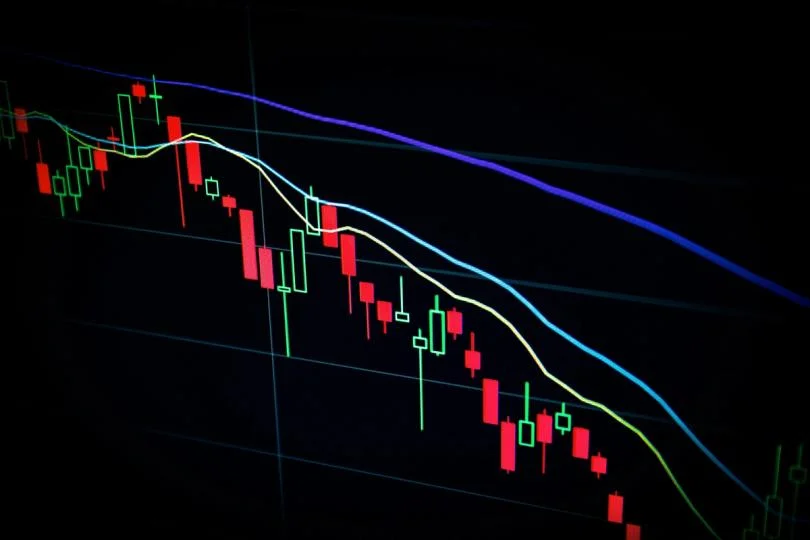



Bitcoin balances on centralized exchanges have fallen to roughly 6.6% of circulating supply, the lowest reading since 2017, with ether at 4.3%, a level last seen in 2015, according to blockchain analytics firm Santiment. The combined market capitalization of BTC and ETH accounts for almost 66% of the total crypto market, per CoinGecko data, so the supply drawdown is concentrated in the two assets that move the cycle.
Why it matters
For years, declining exchange supply has been treated as a reliable bullish indicator, the read being that holders withdraw coins to self-custody, removing sell-side liquidity. But the signal has gone quiet without producing the multi-quarter bull run it historically preceded. Bitcoin has spent months at roughly 50% of its peak even as exchange balances stayed depressed, a divergence analysts now blame on the financialization of BTC rather than on retail HODLing.
Mark Zalan, CEO of GoMining, noted that sustained drawdowns have historically preceded multi-quarter bull phases, but cautioned that timing the turn is guesswork. The cleaner read comes from tracking where the coins actually go: spot Bitcoin ETFs now hold about 641,400 BTC ($73B in net assets) and Ether ETFs about 7.7 million ETH ($13.7B), per Coinglass, while public companies hold roughly 1.26 million BTC, private firms 281,752 BTC, and government entities 649,954 BTC, according to Bitcoin Treasuries. Combined with nearly 7 million BTC in dormant wallets, just under 11.2 million BTC sits outside active trade, around 56.5% of circulating supply.
Market impact
The exchange-balance metric is documenting the end of the exchange-custody era rather than a clean retail accumulation signal. "Assets are leaving trading venues for two destinations: regulated custody on one side, productive onchain positions on the other," said Ben Nadareski, CEO of Solstice. Coins converted to wrapped formats like WBTC move into DeFi protocols as collateral or lending supply, reducing visible reserves while keeping economic exposure active and liquid.


Frequently asked questions
-
How low is Bitcoin's exchange supply right now?
Per Santiment, BTC on centralized exchanges sits at roughly 6.6% of circulating supply, the lowest reading since 2017. Ether is at 4.3%, a level last seen in 2015.
-
Why is the falling-exchange-balance signal considered less reliable now?
Analysts say coins withdrawn from exchanges increasingly end up in spot ETFs, DeFi protocols and institutional custody rather than long-term cold storage, so visible reserves fall while economic exposure stays liquid elsewhere. BTC also spent months near 50% of its peak with balances depressed, breaking the historical…
-
How much BTC do spot Bitcoin ETFs hold today?
US spot Bitcoin ETFs hold roughly 641,400 BTC, about $73B in net assets, according to Coinglass data. Ether ETFs hold about 7.7 million ETH, around $13.7B.
-
How much Bitcoin is held outside active trade?
Per Bitcoin Treasuries, just under 11.2 million BTC sits outside active trade, roughly 56.5% of the ~20.05 million circulating. That includes public and private company holdings, government entities, DeFi protocols and dormant wallets.
-
Does low exchange supply still predict a bull cycle?
Not on its own. Santiment and GoMining CEO Mark Zalan note that sustained drawdowns have historically preceded multi-quarter bull phases, but timing the turn remains guesswork. The 2022 crash is the clearest counter-example: exchange supply stayed low while prices fell sharply.
 Whale Alert
 WuBlockchain
 Crypto News
 Crypto Rank News
 CryptoSlate