








 CoinDesk
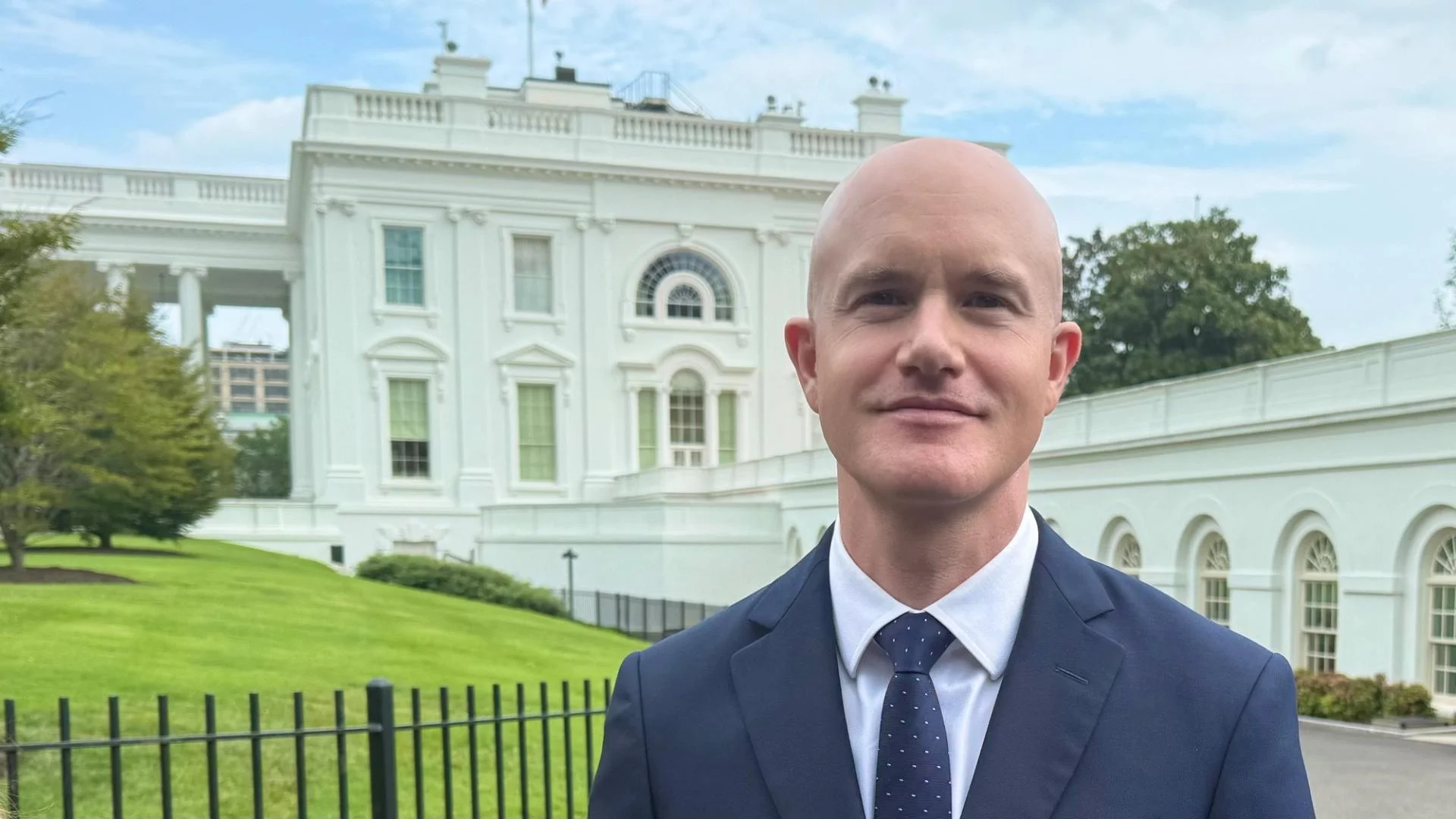


Crypto's regulatory future is no longer a binary outcome, according to Coinbase CEO Brian Armstrong. Whether the Clarity Act clears Congress this session or stalls, "crypto wins regardless," he said, citing hundreds of pages of bipartisan input that have already resolved Coinbase's "must-have" issues.
Why it matters
Armstrong's framing positions the bill as a vehicle for codifying market structure rather than a make-or-break moment for the industry. Stablecoin provisions, custody treatment, and the SEC-CFTC delineation have all shifted from where they started, putting the sector on the right side of the regulatory curve even if legislative timing slips.
The remaining fight is concentrated on ethics provisions covering elected officials who hold digital assets. The White House has put a "very strong ethics provision" on the table; Democrats want divestiture language layered on top. Armstrong said the two sides "appear to be very close."
Market impact
Armstrong traded shots with JPMorgan CEO Jamie Dimon, who has accused Coinbase of exploiting stablecoin provisions to arbitrage against banks. Without naming Dimon, Armstrong said critics with large payments businesses face a "competitive issue" and are "talking their own book." He pointed to Goldman Sachs, BNY Mellon, and Fidelity as institutional backers of the bill.
Armstrong also flagged agentic finance, autonomous AI agents transacting onchain, as "still early, but that's the big TAM on the horizon." For an industry waiting on clarity, the message is that the next growth leg may not require a bill at all.
Frequently asked questions
-
What is the Clarity Act and what would it do?
The Clarity Act is a US market structure bill that would delineate SEC and CFTC jurisdiction over digital assets, set stablecoin rules, and codify custody treatment. Armstrong says bipartisan compromise has already resolved most industry-disputed provisions.
-
What unresolved provisions could still derail the bill?
Ethics provisions for elected officials who hold digital assets are the last unresolved piece. The White House has offered a strong ethics provision; Democrats want divestiture language layered on top. Armstrong says both sides appear close to a deal.
-
Why did Armstrong push back on Jamie Dimon's stablecoin critique?
Dimon has accused Coinbase of using the bill's stablecoin framework to arbitrage against banks. Without naming Dimon, Armstrong said critics with large payments businesses face a "competitive issue" and are "talking their own book."
-
Which traditional finance firms have backed the Clarity Act?
Armstrong named Goldman Sachs, BNY Mellon, and Fidelity as institutional supporters of the bill, arguing the legislation has drawn support beyond the crypto-native sector itself.
-
What is agentic finance and why did Armstrong flag it?
Agentic finance refers to autonomous AI agents transacting onchain without human intermediation. Armstrong called it "still early, but that's the big TAM on the horizon," framing it as a growth vertical independent of regulatory timing.
 CoinTelegraph
 WuBlockchain
 TheBlock
 CryptoSlate
 WatcherGuru
 Crypto News