


 CoinDesk
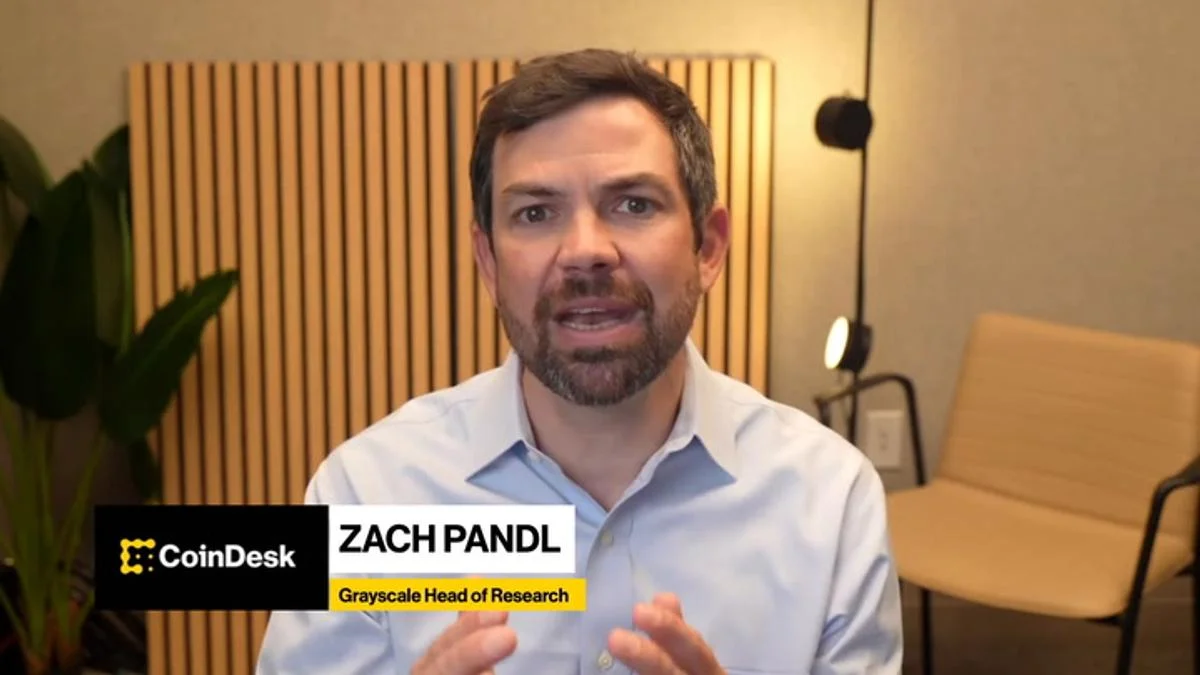


Grayscale argues that overseas demand and institutional adoption can sustain the crypto industry despite a tougher political outlook in Washington. The firm estimates that 80%–85% of global crypto activity takes place outside the U.S., while BlackRock's head of digital assets said the election results would have little effect on its crypto business.
Why it matters
The political headwind is real: the CLARITY Act stalled in the Senate in September, and its prospects may weaken further when Democrats take control of Congress in January. The bill would establish federal rules for digital assets, but disputes over stablecoin rewards, consumer protections and President Donald Trump's crypto interests remain obstacles. Some industry executives see little chance it will pass in its current form; others point to support from more than 70 House Democrats as a basis for a revised bipartisan deal.
Grayscale's case for resilience rests on crypto activity beyond U.S. politics. Its estimate combines 14 indicators, including trading volume, mining and ownership, and puts the average U.S. share at 19% and the median at 16%. The firm also points to stablecoin use in South America and Southeast Asia and expanding services from Visa, Mastercard, Fiserv and Stripe.
Market impact
BlackRock's Robert Mitchnick said Bitcoin and ether already have much of the regulatory clarity needed for investment products, even while broader legislation remains stalled. He argued that adoption and practical use cases could make crypto a bipartisan issue. BlackRock, Franklin Templeton and JPMorgan have also offered tokenized investment funds, reflecting digital assets' growing presence in mainstream finance.
That institutional expansion does not insulate prices from macro conditions. Grayscale has noted that digital assets beyond Bitcoin remain sensitive to the broader markets backdrop, a connection it views as part of crypto's integration into the financial system.


Frequently asked questions
-
What share of global crypto activity does Grayscale estimate occurs outside the U.S.?
Grayscale estimates that 80%–85% of global crypto activity takes place outside the U.S. Its analysis puts the U.S. share at an average of 19% and a median of 16%.
-
Why did the CLARITY Act's prospects weaken?
The bill stalled in the Senate in September, and Democrats are set to take control of Congress in January. Disputes include stablecoin rewards, consumer protections and President Donald Trump's crypto interests.
-
What did BlackRock say about the election's effect on its crypto business?
BlackRock digital-assets head Robert Mitchnick said the election would have little effect on the firm's crypto business. He said Bitcoin and ether already have much of the regulatory clarity needed for investment products.
-
What evidence does Grayscale cite for crypto demand beyond the U.S.?
Grayscale points to growing use of dollar-pegged stablecoins in South America and Southeast Asia, alongside global demand for alternatives to government currencies and better payment systems.
-
Does institutional adoption mean crypto prices are insulated from macro markets?
No. Grayscale says digital assets beyond Bitcoin remain sensitive to broader macro conditions, even as institutional adoption embeds the industry more deeply in mainstream finance.
 TheBlock
 WatcherGuru
 CoinTelegraph
 Crypto News
 CryptoSlate
 Benjamin Cowen