








 Crypto News


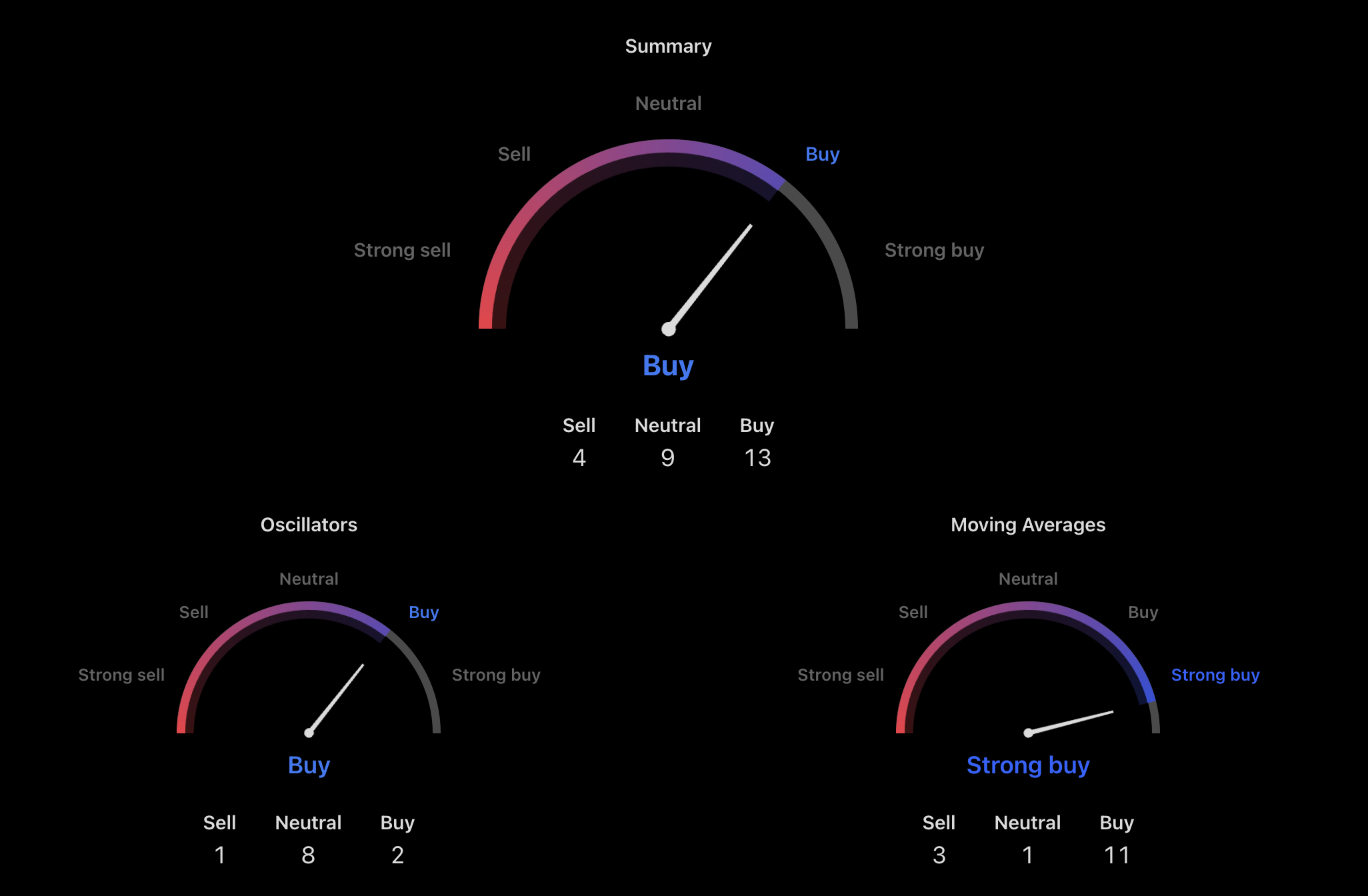
Ethereum is trading near $2,350 as the Glamsterdam upgrade narrative gains traction, with the network's gas limit targeted to jump from 60M today to roughly 200M — more than tripling layer-1 execution capacity in a single hard fork. Researcher Hasu flagged the change on X, calling out that a follow-up capacity doubling is already planned shortly after rollout, with the explicit goal of pushing standard transactions toward near-zero fees without breaking state economics.
The capacity gain is anchored in EIP-8037, which raises the gas cost of state creation to contain permanent data bloat while freeing headroom for cheaper routine transactions. In plain terms: more blockspace for users, more friction for state spam, and a meaningful reset of the retail-fee experience on Ethereum's base layer.
Why it matters
Ethereum's L1 fee story has been the single biggest drag on the network's retail narrative since the 2022 merge-era congestion. A 3x-plus capacity expansion — with a second doubling already on the roadmap — is the kind of structural change that, if delivered, materially shifts the cost curve for swaps, mints, and simple transfers back toward the pre-2021 experience. The pricing dynamic is the part the market cares about: cheaper blockspace historically pulls activity back to L1 from L2s, and reverses the "Ethereum is too expensive to use" framing that has dominated retail sentiment for three years.
The state-pricing leg of EIP-8037 is the less-discussed half of the trade. By raising the cost of creating new state entries, the protocol is choosing to defend long-term node economics over short-term throughput, which is the kind of design decision that determines whether the upgrade ages well or badly.
Market impact
ETH is consolidating in a $2,250–$2,350 intraday range, with support at $2,270 and the critical resistance cluster sitting at $2,400. Spot trades above the 10- and 20-day EMAs — constructive for near-term momentum — but the 100- and 200-day EMAs, both clustered near the $2,800 zone, remain the longer-term ceiling.
A clean close above $2,400 on meaningful volume would likely trigger EMA recapture and open a run toward $2,500 and beyond.

Frequently asked questions
-
What is the Glamsterdam upgrade doing to Ethereum's gas limit?
Glamsterdam targets raising Ethereum's gas limit from roughly 60 million today to approximately 200 million, more than tripling L1 execution capacity. A follow-up capacity doubling is reportedly planned shortly after the initial rollout.
-
What does EIP-8037 change?
EIP-8037 raises the gas cost for state creation to contain permanent data bloat on Ethereum, while simultaneously creating headroom for dramatically cheaper standard transactions.
-
Why does the gas limit increase matter for ETH price?
Cheaper L1 blockspace has historically pulled activity back from L2s and reframes Ethereum as usable for retail. A 3x+ capacity expansion, if delivered, materially shifts the cost curve for swaps, mints, and simple transfers.
-
What is the key resistance level for ETH right now?
ETH is consolidating in a $2,250–$2,350 range with support at $2,270 and the critical resistance cluster sitting at $2,400. A clean close above $2,400 on volume would likely trigger EMA recapture and open a run toward $2,500.
-
Has ETH reclaimed its long-term moving averages?
No. ETH trades above its 10- and 20-day EMAs, which is constructive for near-term momentum, but remains below the 100- and 200-day EMAs clustered near the $2,800 zone.
 TheBlock
 Crypto Capital Venture
 CoinDesk
 WatcherGuru
 CryptoSlate
 WuBlockchain
 Altcoin Daily
 CoinTelegraph