








 WatcherGuru
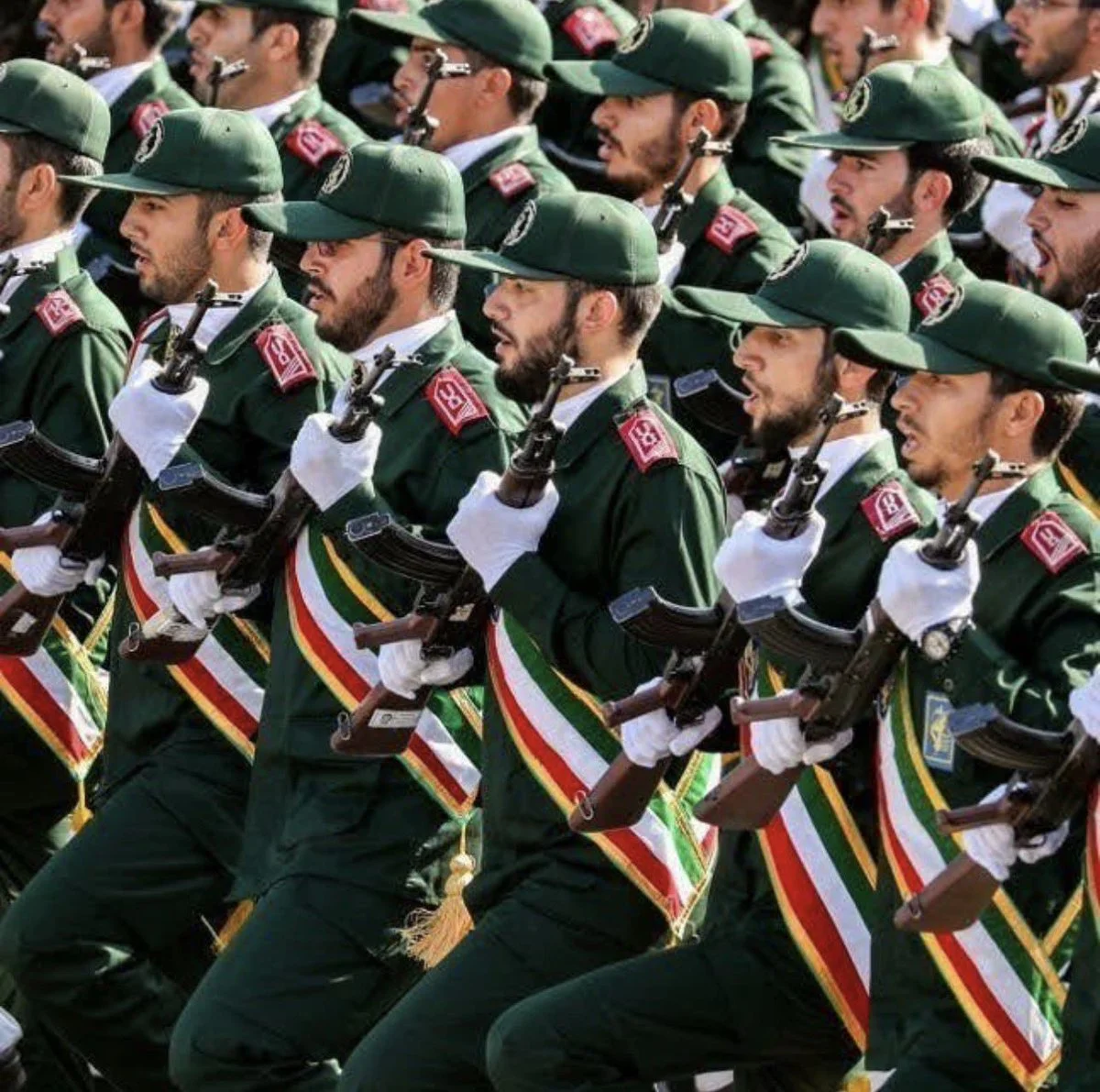
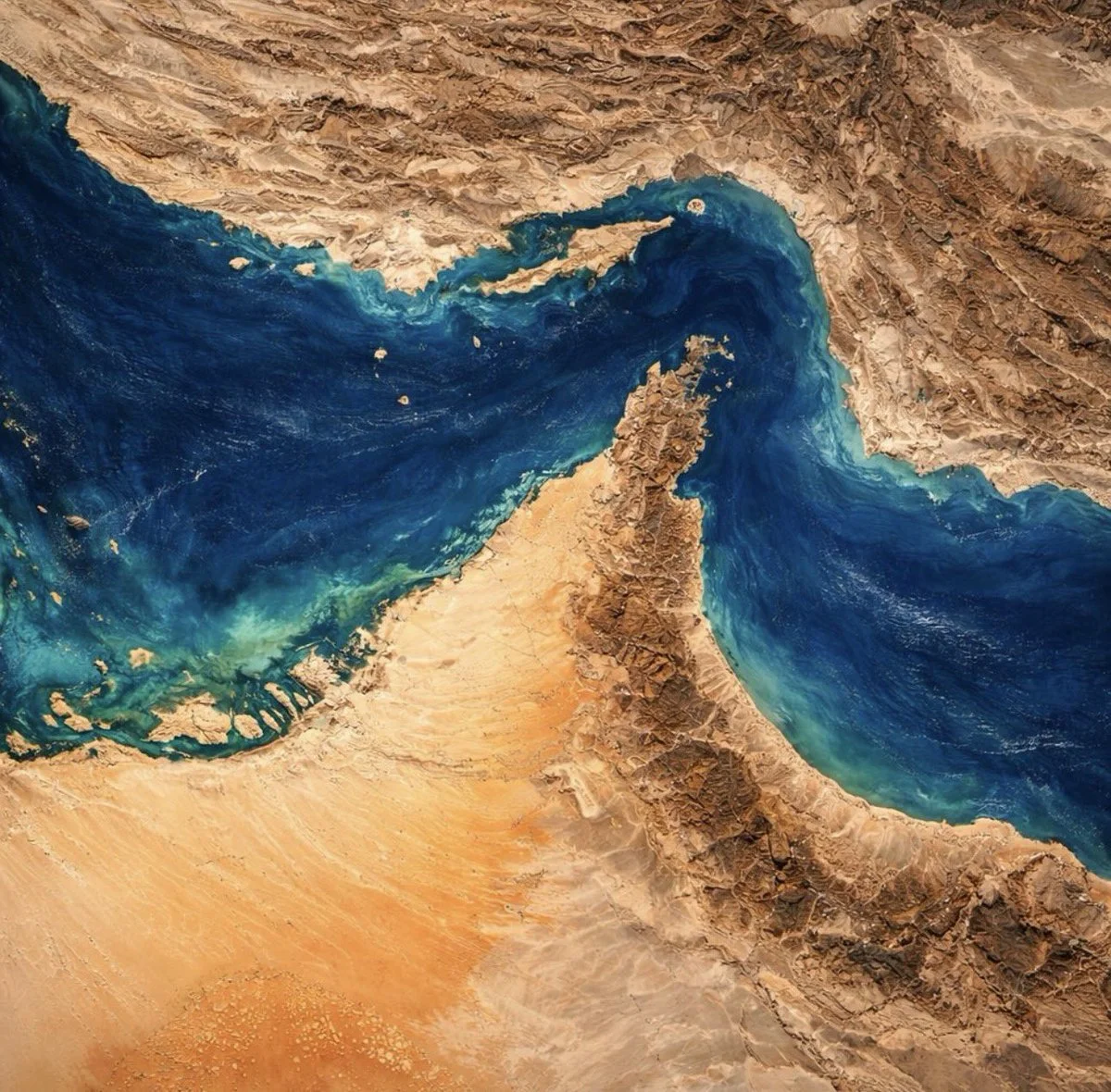
Iran's Islamic Revolutionary Guard Corps has officially declared the Strait of Hormuz closed to all vessels, warning that any ship approaching the waterway faces a "security risk," according to the IRGC statement carried by Iranian state-linked outlets on Saturday.
Why it matters
The Strait of Hormuz is the narrowest transit point for Gulf crude and LNG — roughly a fifth of global oil flows through the 33-km chokepoint between Iran and Oman. Any sustained closure is the canonical supply-shock scenario for energy markets, with knock-on effects on inflation, central-bank policy expectations, and risk-asset positioning worldwide.
Market impact
Brent and WTI typically gap higher on Hormuz headlines, and Asian equity futures tend to sell off into the open as refiners and shipping insurers reprice war-risk premia. Bitcoin's reaction is usually a short-term liquidity bid for the dollar and a brief risk-off drawdown before any safe-haven bid reasserts itself; gold and crude are the cleanest hedges. The bigger question is duration — declarations of closure have been issued before; what matters is whether tanker traffic physically halts and whether the US Navy's Fifth Fleet moves to escort shipping through the strait.

Frequently asked questions
-
What is the Strait of Hormuz and why does it matter?
It's the 33-km-wide shipping lane between Iran and Oman through which roughly a fifth of global oil and LNG flows. Any sustained closure is the canonical supply-shock scenario for energy markets and ripples into inflation, central-bank policy, and global risk assets.
-
Has Iran closed the Strait of Hormuz before?
Iran has threatened closure repeatedly over the past four decades and has periodically seized commercial tankers, but a sustained physical closure of all shipping has never been maintained. Markets treat each declaration as a headline event until tanker traffic actually halts.
-
How do oil prices typically react to Hormuz closure threats?
Brent and WTI gap higher on the headline, with refiners and shipping insurers quickly repricing war-risk premia. Sustained threats that disrupt actual tanker movement have historically added tens of dollars per barrel before fading once traffic resumes.
-
How does a Hormuz closure affect crypto markets?
The first move is typically risk-off: the dollar bids, equities sell off, and Bitcoin draws down alongside other risk assets on forced liquidity. A safe-haven bid can reassert itself once the initial shock settles, but the cleanest hedges in this scenario are crude and gold.
-
What would determine whether this becomes a sustained shock or a headline?
The two signals markets watch are physical tanker traffic through the strait and whether the US Navy's Fifth Fleet moves to escort commercial shipping. A declaration without either is a headline; a declaration followed by halted traffic and an escort mission is a sustained supply event.
 CoinTelegraph
 CryptoSlate
 WuBlockchain
 CZ Binance
 Benjamin Cowen
 CoinDesk