








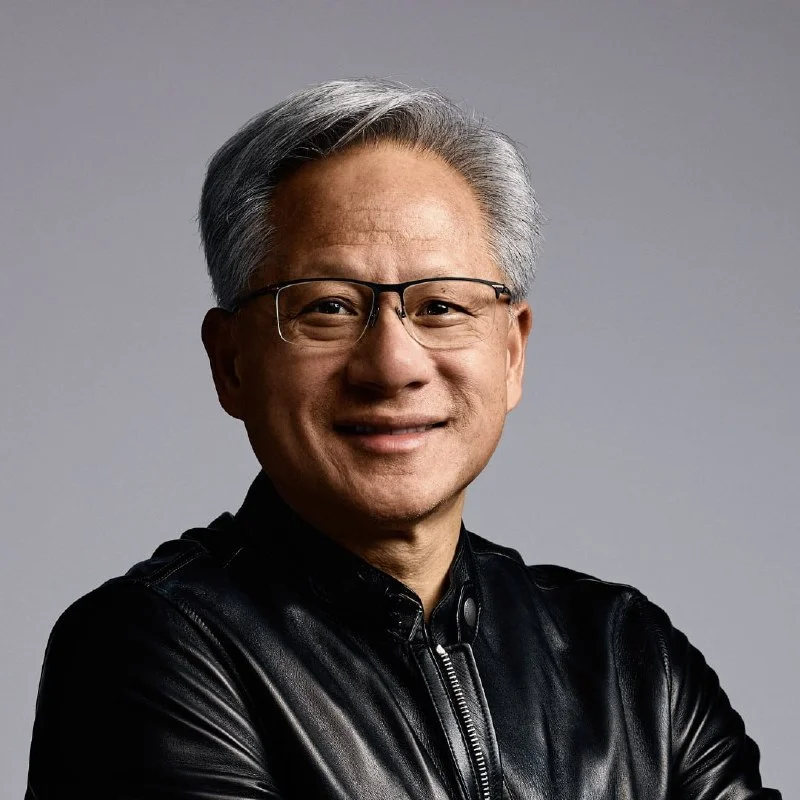
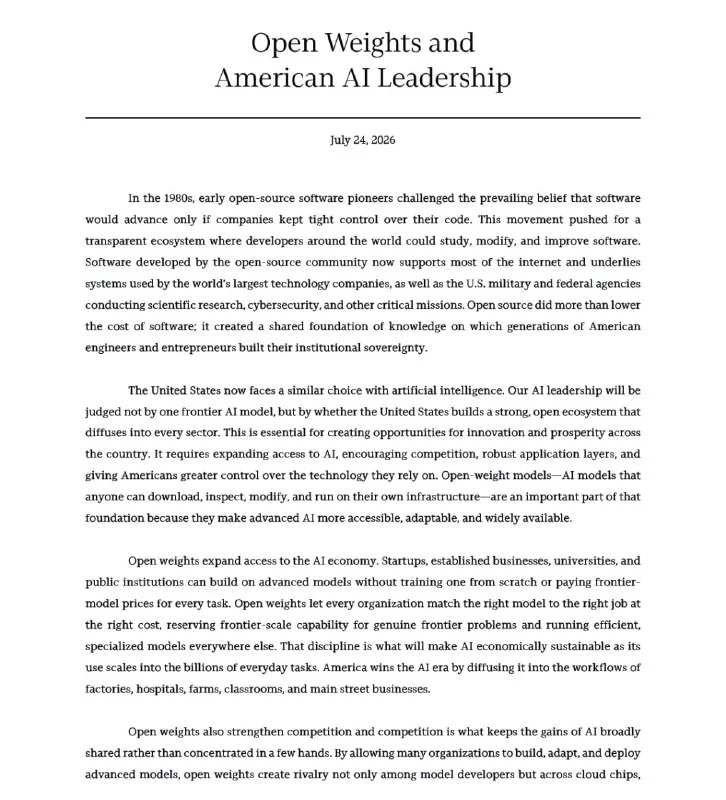
Jensen Huang has signed an open letter alongside more than 20 technology companies arguing that frontier open-weight AI models are essential complements to closed systems, not replacements for them. The letter frames open and proprietary models as parallel tracks that the United States should support simultaneously.
The coalition is unusual: Nvidia sits at the centre of the AI hardware stack, while the open-source community has historically been skeptical of large incumbents. Huang's signature is therefore the headline, the formal alignment with open-weight advocates is the substance behind it.
Why it matters
The letter lands ahead of a federal AI policy debate that has increasingly drawn a line between open-weight development and tightly controlled frontier systems. By endorsing open models as essential rather than risky, the coalition is pre-empting regulation that would treat open releases as second-tier. The framing puts pressure on any future framework that restricts the export, training compute, or release of frontier weights.
Market impact
Nvidia's hardware is the binding layer: every frontier model, open or closed, runs on its accelerators. A coalition that openly supports both ecosystems is, in practice, a coalition that supports continued demand across the entire AI compute stack. Watch for whether open-weight releases from Meta, Mistral, and Alibaba attract further signatories, and whether the letter becomes a reference point in congressional hearings on AI competition with China.
Frequently asked questions
-
What did Jensen Huang's open letter actually argue?
The letter, signed by Huang and more than 20 tech firms, argues that frontier open-weight AI models are essential complements to closed systems and should be supported in parallel, not treated as second-tier or as replacements.
-
Why is Nvidia's involvement in an open-AI coalition notable?
Nvidia sits at the centre of the AI hardware stack, and the open-source community has historically been skeptical of large incumbents. Huang's signature is the headline, but his formal alignment with open-weight advocates is the structural signal.
-
How does this letter relate to US AI regulation?
It lands ahead of federal AI policy debates that have drawn a line between open-weight development and tightly controlled frontier systems. By framing open models as essential rather than risky, the coalition pre-empts regulation that would restrict open releases.
-
Which companies are most likely to sign similar letters?
Open-weight model developers such as Meta, Mistral, and Alibaba are the most likely future signatories, given their commercial dependence on the open ecosystem Nvidia is now publicly endorsing.
-
What is the market read for Nvidia from this coalition?
Every frontier model, open or closed, runs on Nvidia accelerators. A coalition that supports both ecosystems is, in practice, a coalition supporting demand across the entire AI compute stack, including Nvidia's hardware footprint.

 CoinDesk
 Lookonchain
 CZ Binance
 WatcherGuru
 Crypto News
 TheBlock