








 WatcherGuru

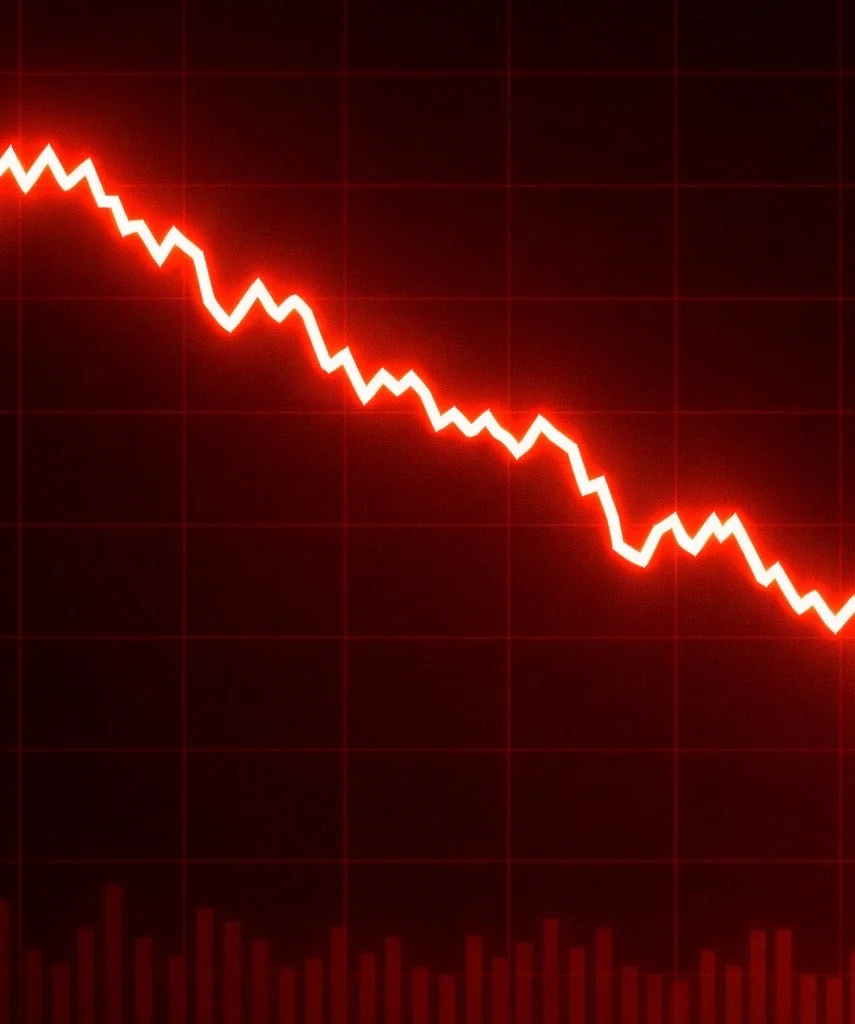
South Korea’s KOSPI fell 8%, triggering a circuit breaker that halted stock-market trading. The sharp drop puts a major Asian equity market at the center of a sudden risk-off move.
Why it matters
A circuit breaker is designed to interrupt trading during an extreme market decline. The halt signals that selling crossed a threshold significant enough to activate the exchange’s market safeguards, rather than a routine pullback.
Market impact
The immediate focus is on the scale of the decline and how trading resumes after the halt. A sharp equity selloff can weigh on broader risk sentiment, though the seed does not identify a cause or establish whether the move is spreading to other markets.
Frequently asked questions
-
What triggered the KOSPI trading halt?
The KOSPI fell 8%, triggering a circuit breaker that halted stock-market trading.
-
What does a circuit breaker do in a stock market?
A circuit breaker interrupts trading during an extreme market decline. Its activation indicates that selling crossed a threshold for market safeguards.
-
What will investors watch when KOSPI trading resumes?
Investors will watch the scale of the decline and whether trading shows signs of stabilization after the halt.
-
Does the reported KOSPI drop establish what caused the selloff?
No cause for the 8% decline is established in the report.
-
Could the KOSPI selloff affect sentiment beyond South Korea?
A steep decline in a major Asian equity market can pressure broader risk sentiment, but spillover to other markets is not established.
 CoinDesk
 TheBlock
 CoinTelegraph
 WuBlockchain
 Crypto Rank News