









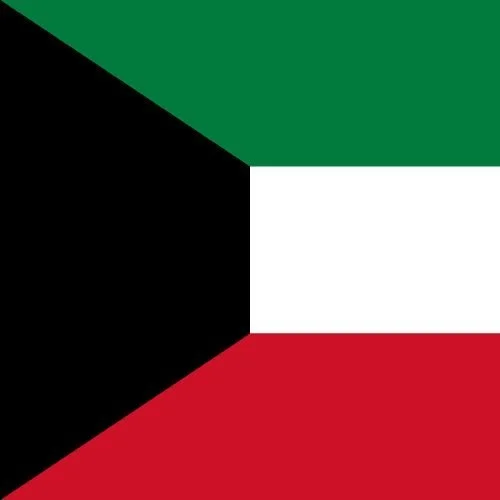
Kuwait signed a $16 billion agreement with Blackstone, Brookfield and KKR covering major oil pipeline infrastructure, the country's largest infrastructure concession to date with global private capital. The deal is designed to attract institutional money into Kuwait's downstream midstream network and free state budget for upstream capacity.
Why it matters
The structure gives Kuwait a template for funding capacity expansion without taking on sovereign debt, while locking three of the world's largest infrastructure investors into a 20+ year oil logistics asset. Comparable concessions in Saudi Arabia and Abu Dhabi have used similar models to accelerate pipeline and storage buildouts; Kuwait is now applying the playbook to its own aging midstream network.
Market impact
For the asset managers, the deal expands Middle East energy infrastructure exposure at a time when Western capital has been pulling back from new fossil fuel commitments. Watch for follow-on concessions across Gulf OPEC members, and for pressure on regional pipeline tariffs as private operators push for cost recovery.
Frequently asked questions
-
What did Kuwait agree to with Blackstone, Brookfield and KKR?
Kuwait signed a $16 billion agreement covering oil pipeline infrastructure with the three asset managers, its largest infrastructure concession to date involving global private capital.
-
Why is Kuwait using private capital for oil infrastructure?
The structure lets Kuwait fund pipeline and midstream capacity expansion without adding to sovereign debt, while shifting operating risk to the asset managers under long-dated concessions.
-
How does this compare to similar Gulf deals?
Saudi Arabia and Abu Dhabi have used comparable private-capital concessions to accelerate pipeline and storage buildouts; Kuwait is now applying the same model to its aging midstream network.
-
What do Blackstone, Brookfield and KKR get out of the deal?
Long-term operating rights over Kuwaiti oil midstream assets, adding long-dated Middle East energy infrastructure exposure at a time when Western capital has been retreating from new fossil fuel commitments.
-
What should investors watch after this announcement?
Follow-on infrastructure concessions from other Gulf OPEC members, and any movement in regional pipeline tariffs as private operators push for cost recovery on the new assets.

 CoinDesk
 WatcherGuru
 TheBlock
 Crypto News