








 WuBlockchain
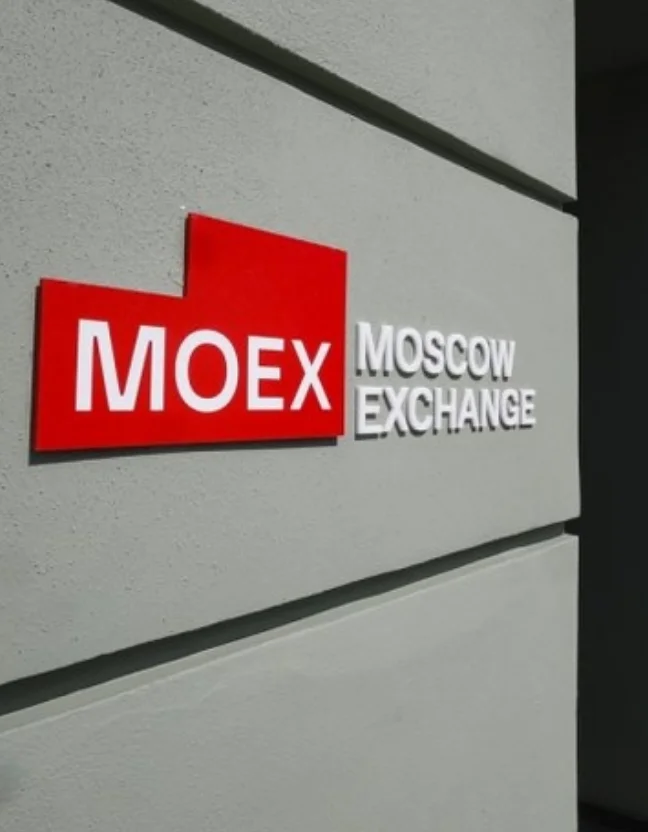

Moscow Exchange plans to launch trading in BTC, ETH and USDT on December 1, with an annual limit of 300,000 rubles per intermediary, Bits.media reported. The exchange briefly said December USDT trades would incur 22% value-added tax, before deleting the notice hours later.
Why it matters
The National Clearing Center said issuerless BTC and ETH qualify as VAT-exempt digital currencies. It classified Tether-issued USDT as a foreign digital instrument without the same exemption. Corporate entities also face a 25% profit tax on gains.
Market impact
The launch would bring crypto trading to Russia's largest stock exchange, but the tax treatment creates a distinction for USDT users. Tax Code amendments to waive the VAT have passed only their first reading.
Source: [Сделки с USDT на Мосбирже могут обложить двойным налогом — bits.media](https://bits.media/sdelki-s-usdt-na-mosbirzhe-mogut-oblozhit-dvoynym-nalogom/)


Frequently asked questions
-
Which assets will Moscow Exchange offer for crypto trading?
The planned launch covers BTC, ETH and USDT.
-
What trading limit applies to the planned launch?
The annual limit is 300,000 rubles per intermediary.
-
Why does USDT face different VAT treatment from BTC and ETH?
The National Clearing Center classifies issuerless BTC and ETH as VAT-exempt digital currencies. It classifies Tether-issued USDT as a foreign digital instrument without the same exemption.
-
What happened to the exchange's USDT tax notice?
Moscow Exchange briefly said December USDT trades would incur 22% VAT, then deleted the notice hours later.
-
What other tax applies to corporate gains, and where does the VAT amendment stand?
Corporate entities face a 25% profit tax on gains. Tax Code amendments to waive the VAT have passed only their first reading.
 CoinDesk
 TheBlock
 CoinTelegraph
 CryptoSlate
 WatcherGuru