








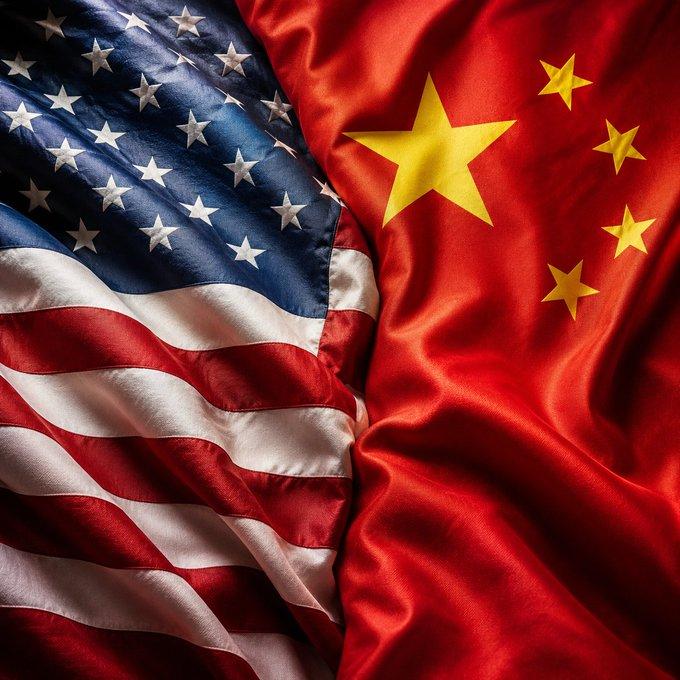
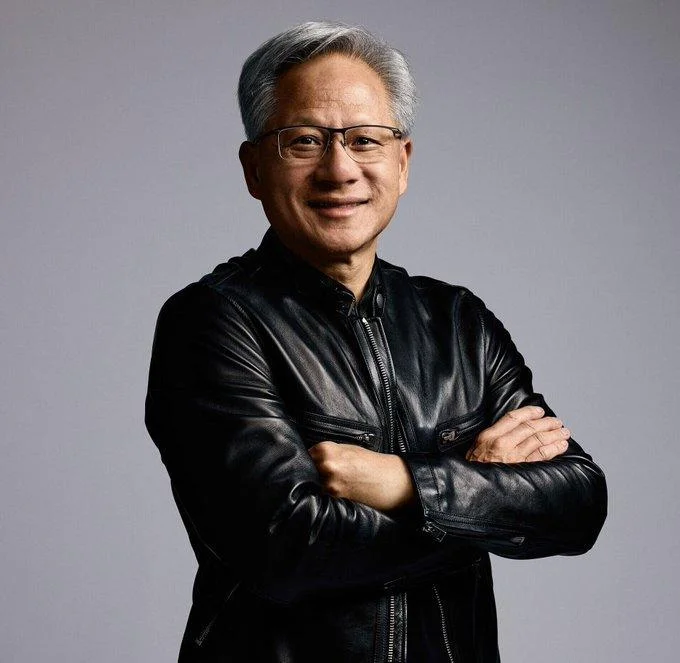
Nvidia CEO Jensen Huang said Chinese open-source AI models should not be banned in the United States, in comments reported by Axios. The intervention lands as Washington weighs tighter restrictions on both Chinese-origin AI software and the chips used to train it.
Why it matters
Huang's position puts the world's most valuable chipmaker on a defined side of a debate that mixes export controls, open-source policy, and US-China tech decoupling. Nvidia has lobbied hard against broader chip-export limits, arguing they accelerate Chinese substitution rather than contain it. Open-source models complicate the picture: code and weights published publicly are far harder to restrict than hardware shipments, and a ban risks fragmenting the global developer ecosystem the US still leads.
Market impact
For Nvidia, the comment reinforces its message to investors that software frictions are as relevant to its outlook as hardware curbs. For broader markets, it signals continued corporate pressure against a sweeping model ban, even as bipartisan US sentiment on Chinese AI has hardened. Watch for any follow-up from Commerce, OSTP, or the next NDAA cycle, where language on open-weight models has been quietly tightening.
Frequently asked questions
-
What did Jensen Huang say about Chinese open-source AI models?
Huang said Chinese open-source AI models should not be banned in the United States, in comments reported by Axios that put Nvidia on a defined side of an active policy debate.
-
Why is Nvidia pushing back on a ban?
Nvidia has argued that broad restrictions accelerate Chinese substitution and fragment the global developer ecosystem the US still leads, a posture the company has held across chip-export fights as well.
-
Could the US actually ban Chinese open-source AI models?
Open-source code and model weights are harder to restrict than hardware shipments, but language tightening around open-weight models has appeared in recent NDAA cycles, Commerce rulemakings, and OSTP guidance.
-
What is the US policy currently on Chinese AI?
US policy centers on chip-export controls rather than model bans, though successive administrations have tightened rules on advanced GPUs, foundry access, and Chinese-linked AI labs operating in the US.
-
Why does Huang's stance matter for Nvidia investors?
The comment reinforces Nvidia's message that software-level restrictions matter as much as hardware curbs, framing the policy debate as directly relevant to long-term chip demand.

 CoinDesk
 CryptoSlate
 TheBlock
 WuBlockchain
 WatcherGuru