








 CryptoSlate
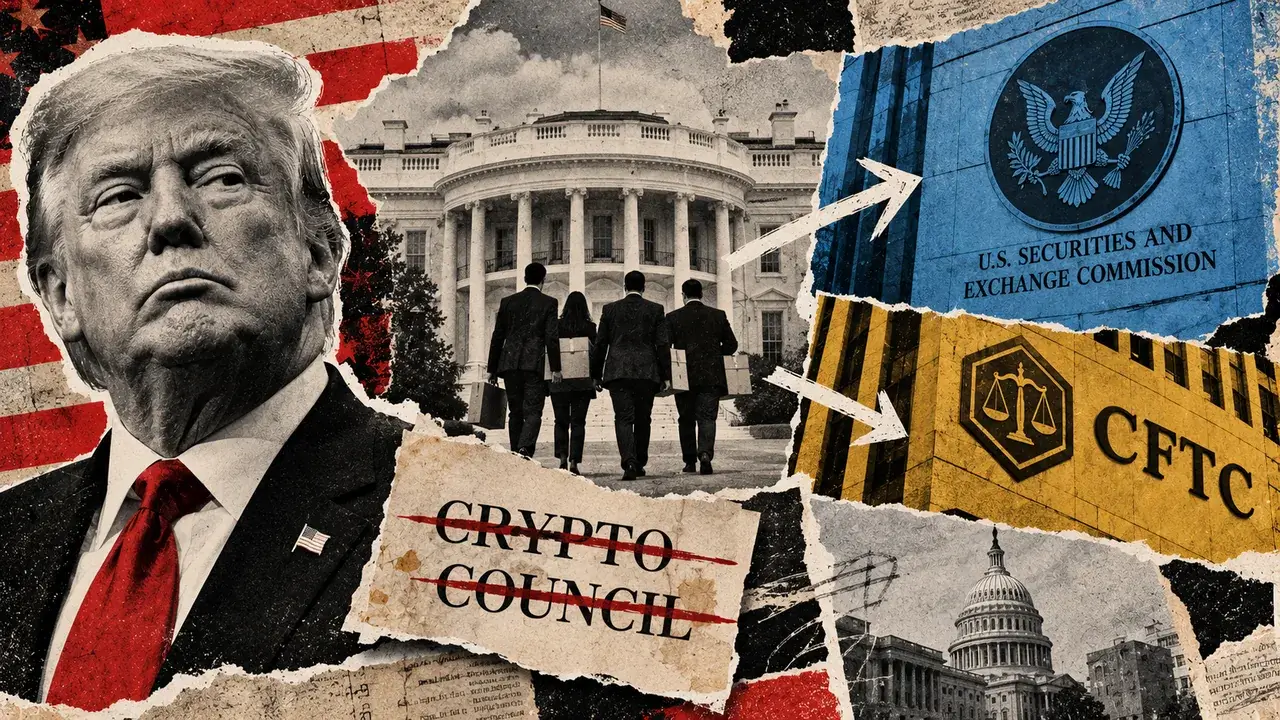



Patrick Witt, executive director of the White House Crypto Council, confirmed his departure after nearly two years in the administration, leaving for an undisclosed private-sector role. His exit comes as the CLARITY Act remains stalled in the Senate, where disagreements over stablecoin rewards, banking competition and safeguards addressing President Donald Trump's crypto-related financial interests have blocked progress.
Why it matters
Witt was a key intermediary among lawmakers, regulators and industry representatives. His departure removes a negotiator from talks over legislation intended to establish a comprehensive federal framework for digital assets. The House passed its version of the bill in 2025, but an initial Senate procedural vote failed in September. With midterm elections approaching in November, the bill's prospects remain uncertain.
The debate over stablecoin rewards pits banks, which argue those rewards could pull deposits away from traditional institutions, against crypto companies, which say restrictions would weaken competition. Democrats have also sought stronger safeguards for Trump's financial interests in crypto ventures. No replacement for Witt was identified in his farewell statement. He follows other senior departures from the administration's crypto team, including Bo Hines, David Sacks and Harry Jung.
Market impact
The SEC and CFTC are pursuing parts of the administration's crypto agenda through their existing statutory powers, reducing their immediate dependence on Congress. Under SEC Chairman Paul Atkins, the agency has advanced work on issuance, custody and tokenized securities, including a proposed custody framework. The CFTC, led by Michael Selig, has consulted on rules for certain leveraged retail crypto commodity transactions and a specialized registration framework for trading markets.
Those agency actions can shape US crypto policy, but they do not provide the durability of legislation. SEC Chairman Atkins has acknowledged that congressional action is essential to create rules that future administrations would find harder to reverse.
Frequently asked questions
-
Why does Patrick Witt's departure matter for the CLARITY Act?
Witt served as a White House intermediary among lawmakers, regulators and industry representatives. His exit removes a negotiator while Senate talks remain stalled.
-
What disagreements are holding up the CLARITY Act in the Senate?
Disputes include whether stablecoin rewards should be restricted, how to address banking competition and what safeguards should apply to Trump's crypto-related financial interests.
-
What happened to the CLARITY Act in Congress?
The House passed its version in 2025, but an initial Senate procedural vote failed in September. The bill's prospects remain uncertain ahead of November's midterm elections.
-
How are the SEC and CFTC proceeding without new legislation?
The agencies are using existing statutory powers to pursue crypto frameworks. The SEC is working on areas including issuance and custody, while the CFTC has consulted on certain leveraged retail crypto transactions.
-
Why can't agency rules fully replace the CLARITY Act?
Agency action can shape crypto policy, but it does not provide the durability of legislation. SEC Chairman Paul Atkins has said congressional action is needed for rules that future administrations would find harder to reverse.
 WuBlockchain
 CoinTelegraph
 WatcherGuru
 CoinDesk
 TheBlock