








 CoinDesk
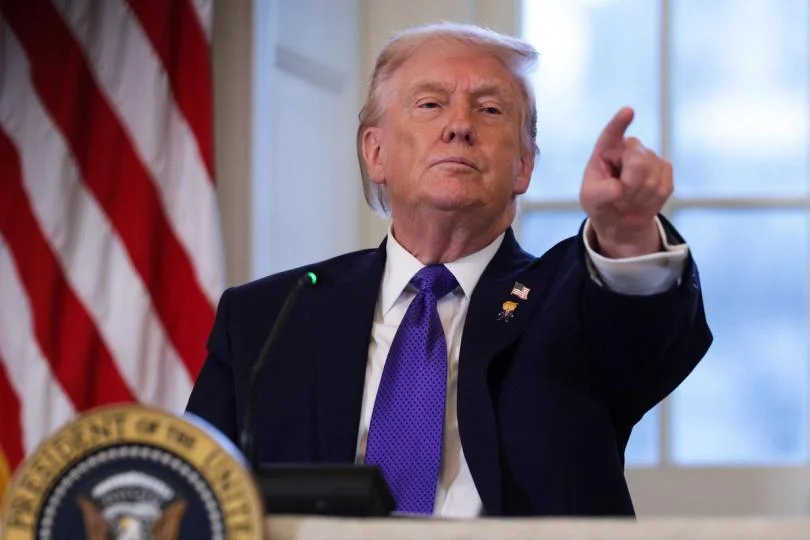
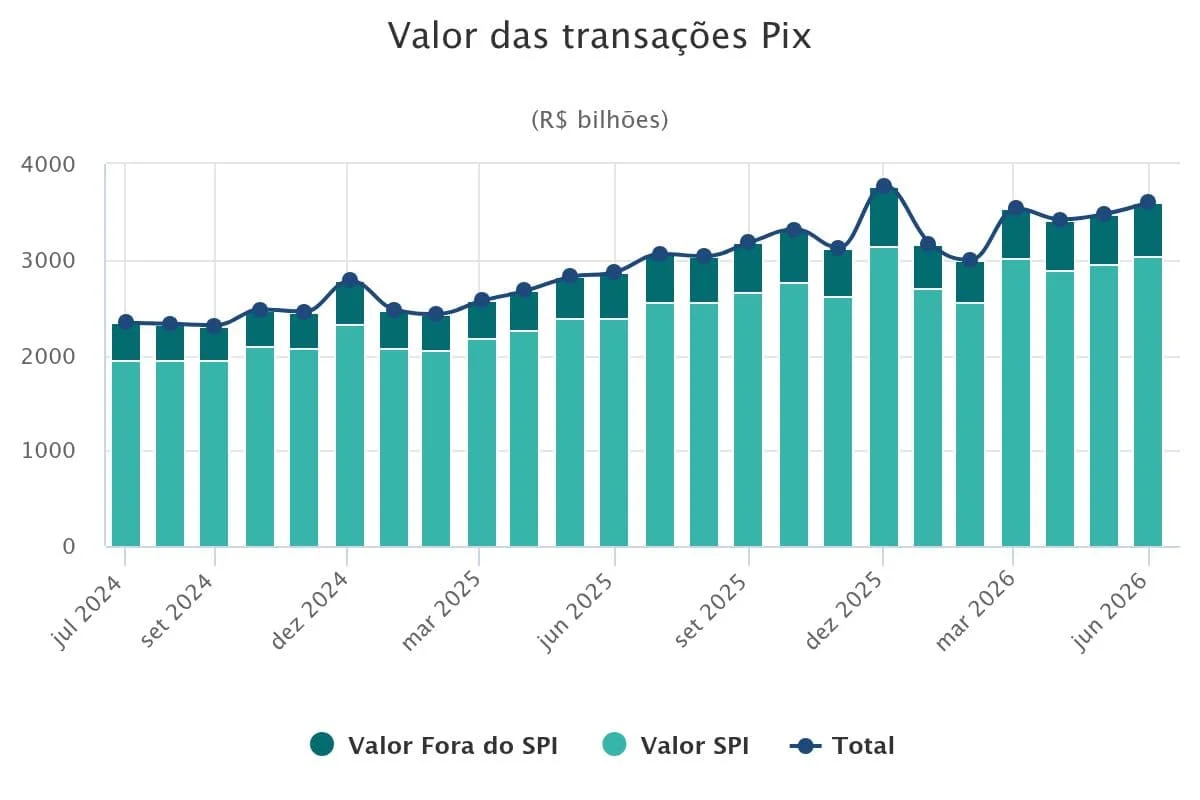


The United States will impose a 25% Section 301 tariff on most Brazilian goods starting July 22, with the Trump administration citing advantages created by Brazil’s state-run Pix instant-payment system. Pix is used by more than 90% of Brazilian adults and processed nearly 7 billion transactions worth about R$3 trillion, or $590 billion, in June. Dollar-linked stablecoins, meanwhile, account for roughly 90% of Brazil’s crypto transaction volume.
Washington argues that Pix disadvantages American payment companies such as Visa and Mastercard because large financial institutions must offer the service free to individuals and face caps on merchant fees. It is the first use of Section 301 against another country’s domestic payment system.
Why it matters
The dispute expands US trade policy into public digital infrastructure. Section 301 has traditionally addressed intellectual property, subsidies and market access, but the Pix case creates a potential template for challenging government-backed payment networks elsewhere.
It also exposes a contradiction in the dollarization debate. Brazil has promoted local-currency settlement and non-dollar payment channels, yet its blockchain economy remains heavily dollar-linked. The country processes an estimated $6 billion to $8 billion in crypto each month, much of it through dollar-denominated stablecoins used for payments and settlement.
Market impact
Brazilian payment infrastructure now faces pressure from both governments. Washington is treating Pix as a trade barrier, while Brazil’s central bank is moving to restrict stablecoins in regulated cross-border payments. Resolution 561, effective October 1, will bar payment firms from settling those transactions with stablecoins or other crypto.
The immediate risks fall on Brazilian trade, payment providers and cross-border crypto rails. Longer term, the case could influence how the US approaches India’s UPI, the planned digital euro and other state-supported networks as governments compete over payment control, monetary sovereignty and dollar influence.
Frequently asked questions
-
Why does the United States consider Pix an unfair trade practice?
US officials argue that rules requiring large institutions to offer Pix free to individuals, alongside capped merchant fees, disadvantage American payment companies such as Visa and Mastercard.
-
How widely is Pix used in Brazil?
More than 90% of Brazilian adults have used Pix. The system processed nearly 7 billion transactions worth about R$3 trillion, or $590 billion, in June.
-
How important are dollar stablecoins in Brazil’s crypto market?
Dollar-linked stablecoins account for roughly 90% of Brazil’s crypto transaction volume. Brazil processes an estimated $6 billion to $8 billion in crypto each month.
-
What will Brazil’s Resolution 561 change?
Effective October 1, Resolution 561 will bar payment firms from settling regulated cross-border payments with stablecoins or other crypto.
-
Could the Pix dispute affect payment systems outside Brazil?
The case creates a precedent for using US trade law against government-backed payment networks. Similar scrutiny could extend to India’s UPI, the planned digital euro and other public digital infrastructure.
 CryptoSlate
 WatcherGuru
 CoinTelegraph
 TheBlock