








 CoinDesk



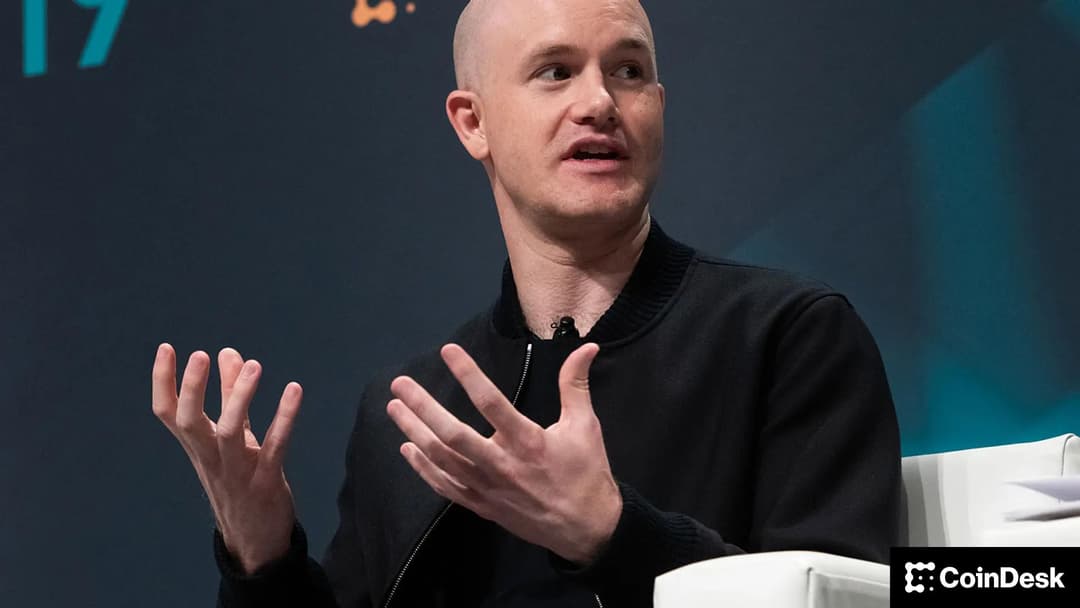
Speakers at CoinDesk's Consensus Miami conference argued this week that user privacy and institutional accountability no longer have to trade off against each other onchain, sketching a hybrid architecture where private permissioned networks carry the compliance-heavy leg of the work and public permissionless chains provide the liquidity.
The argument, framed around an onchain "intelligence layer" that pairs hybrid architecture with wallet-address-level monitoring, drew its most concrete numbers from Rajeev Bamra, global head of strategy for digital economy at Moody's Ratings. He pegged institutional digital finance at roughly $35 billion today, against more than $200 trillion in annual clearing-house flows in traditional finance, with growth of "over 100 or 150%" in the past 18 months. "Private permission networks are going to offer the accountability, the credibility aspect," he said, while "the public permissionless brings the liquidity which the private permissions don't."
Why it matters
The panel put a name to the design pattern institutions have been quietly gravitating toward: instead of forcing every transaction onto either a fully transparent public chain or a closed corporate ledger, route the compliance-sensitive leg through a permissioned network and the liquidity leg through a public one, then stitch them together with blockchain-forensics tools that screen at the wallet-address level without automatically tying addresses to real-world identities. That split is what makes the $35 billion institutional figure feel like a starting point rather than a ceiling — the $200 trillion clearing-flow comparison is the size of the prize the hybrid model is actually trying to unlock.
Market impact
The compliance framing cuts hardest at non-custodial venues. Pauline Shangett, chief strategy officer at ChangeNOW, said the exchange does not enforce KYC by default but works with AML providers and blockchain-forensics firms to monitor flows at the wallet level, mapping addresses rather than identities and handing law enforcement transaction data without doxing the user behind it.



Frequently asked questions
-
What hybrid blockchain architecture did the Consensus Miami panel propose?
Speakers described routing the compliance-sensitive leg through private permissioned networks and the liquidity leg through public permissionless chains, stitched together with blockchain-forensics tools that screen at the wallet-address level without tying every address to a real-world identity.
-
How big is the institutional digital-finance market right now?
Moody's Rajeev Bamra pegged institutional digital finance at roughly $35 billion today, against more than $200 trillion in annual clearing-house flows in traditional finance, with growth of over 100% to 150% in the past 18 months.
-
How does ChangeNOW handle compliance without KYC?
ChangeNOW chief strategy officer Pauline Shangett said the non-custodial exchange works with AML providers and blockchain-forensics firms to monitor flows at the wallet-address level, mapping addresses rather than identities and providing law enforcement transaction data without doxing users.
-
What did the panel say about MiCA and the U.S. GENIUS Act?
Bamra said cross-border frameworks like the EU's MiCA and the U.S. GENIUS Act converge in regulatory intent but "fragment in reality or in execution," meaning platforms that sit cleanly across both jurisdictions become scarce infrastructure for institutional flow.
-
Why does wallet-level monitoring matter for user privacy?
Mapping wallet addresses rather than identities lets platforms screen transactions and respond to law-enforcement requests without automatically tying every onchain user to a real-world identity, preserving crypto's original promise of transacting without exposing personal identity by default.
 CryptoSlate
 CoinTelegraph
 WuBlockchain