








 CoinTelegraph
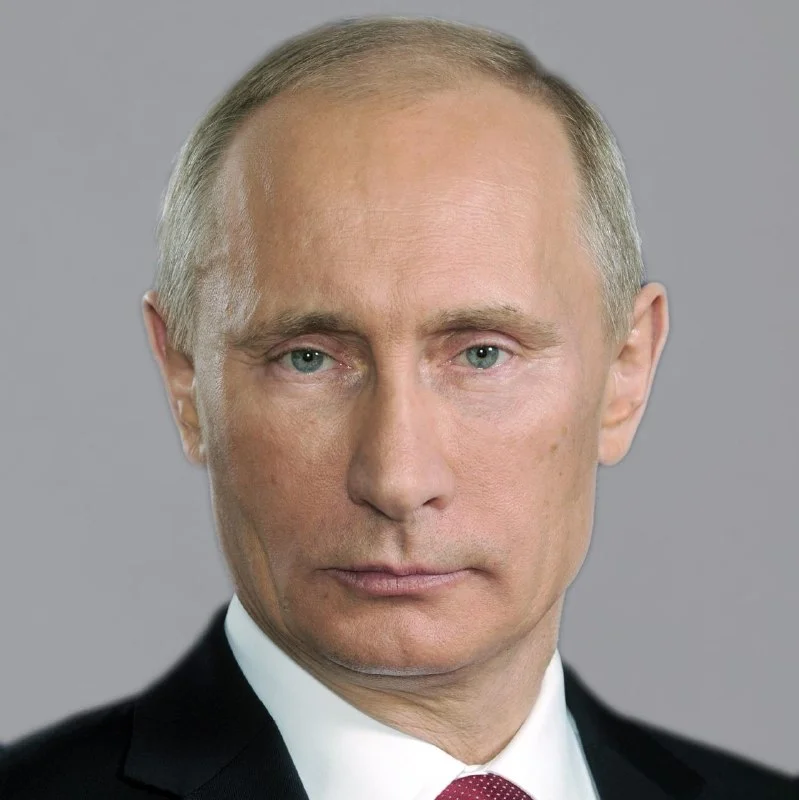

Russia's State Duma has passed a major crypto bill now headed to President Vladimir Putin for his signature, with the framework set to take effect on September 1. The legislation formalises the legal status of digital assets in Russia, covering mining, taxation, and cross-border settlement channels that until now operated in a regulatory grey zone.
Why it matters
The bill pulls crypto out of a multi-year patchwork of executive orders and central bank circulars and into statutory law. That move gives miners, exchanges, and Russian firms using crypto for cross-border trade a defined legal perimeter for the first time, with explicit tax treatment and reporting obligations baked in. It also signals that Moscow intends to treat crypto as a strategic infrastructure layer for sanctions-era payments rather than as a speculative asset class.
Market impact
For RUB-denominated crypto flows and CIS mining operations, the framework reduces enforcement risk and opens the door to institutional participation by domestic banks and state-linked entities. Watch for the presidential signature window and any amendments between Duma passage and September 1 implementation, particularly around mining energy quotas and the central bank's stance on stablecoin-based settlement.

Frequently asked questions
-
What did Russia's State Duma just pass?
A major crypto bill that formalises the legal status of digital assets in Russia, covering mining, taxation, and cross-border settlement. The framework takes effect September 1 once signed by President Putin.
-
Does the bill take effect immediately?
No. The bill still requires President Vladimir Putin's signature before it becomes law, with the statutory effective date set for September 1.
-
Why is the Russian crypto bill significant?
It moves crypto out of a multi-year patchwork of executive orders and central bank circulars into statutory law, giving miners, exchanges, and firms using crypto for cross-border trade a defined legal perimeter for the first time.
-
How could the bill affect crypto mining in Russia?
The framework reduces enforcement risk for CIS mining operations and could open the door to institutional participation by domestic banks and state-linked entities, though mining energy quotas remain a key detail to watch.
-
What should investors watch next?
The presidential signature window, any amendments between Duma passage and September 1 implementation, and the central bank's final stance on stablecoin-based cross-border settlement.
 CoinDesk
 WatcherGuru
 TheBlock
 Altcoin Daily
 Crypto News