








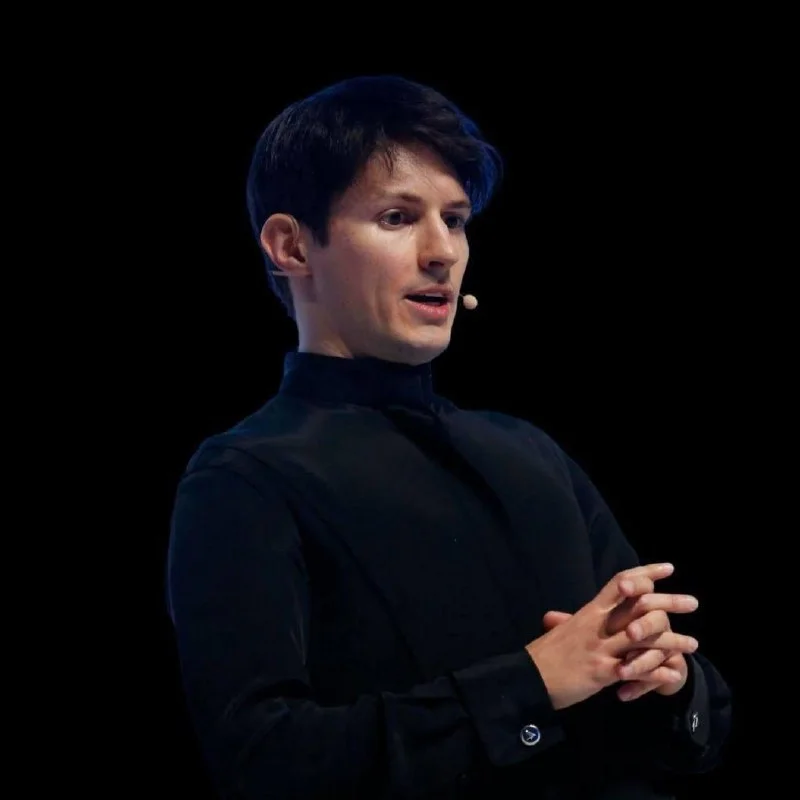

Russia's Federal Security Service (FSB) has charged Telegram founder Pavel Durov with facilitating terrorism and issued an international arrest warrant, according to the channel post. The charges revive a long-running pressure campaign from Moscow that dates to Telegram's 2018 refusal to hand over encryption keys to Russian intelligence services.
Why it matters
The warrant matters less for Durov personally, who holds French citizenship and has lived outside Russia since 2014, than for what it signals about cross-border enforcement appetite. Naming a Western-resident founder of a platform with hundreds of millions of users reframes platform-level privacy and moderation decisions as prosecutable acts in the founder's country of origin.
Market impact
Telegram's TON-linked ecosystem, including the Toncoin token and the in-app ad and payment rails that route through it, sits at the centre of this story for crypto markets. Any friction that hits Telegram's user base, Western banking access, or its ability to onboard and retain partners tends to weigh on TON liquidity first, with second-order read-across to privacy-coin and free-speech-aligned token narratives.

Frequently asked questions
-
What did Russia's FSB actually charge Pavel Durov with?
The FSB charged Durov with facilitating terrorism and issued an international arrest warrant, according to the channel post. Details of the underlying case file have not been published in this seed.
-
Does Durov face immediate arrest given the warrant?
Not realistically. Durov holds French citizenship and has lived outside Russia since 2014. The warrant would route through Interpol and constrain future travel, but France is not obliged to extradite its own citizens.
-
Why is Russia going after Telegram now?
The charge escalates a campaign that dates to Telegram's 2018 refusal to hand encryption keys to Russian intelligence services. Telegram was blocked inside Russia from 2018 to 2020 over that standoff.
-
How does this affect Toncoin (TON) and Telegram's crypto ecosystem?
TON powers Telegram's in-app wallet, ad payouts and Mini App payments, so any friction on user growth or Western banking access tends to weigh on TON liquidity first. Privacy-coin and free-speech-aligned tokens usually see secondary bid.
-
Is this related to Durov's earlier legal issues in France?
The seed does not link the two, but Durov was charged in France in 2024 over Telegram's moderation practices. The Russian warrant is a separate proceeding initiated by the FSB.

 Crypto News
 CoinDesk
 TheBlock
 WuBlockchain