


 CryptoSlate


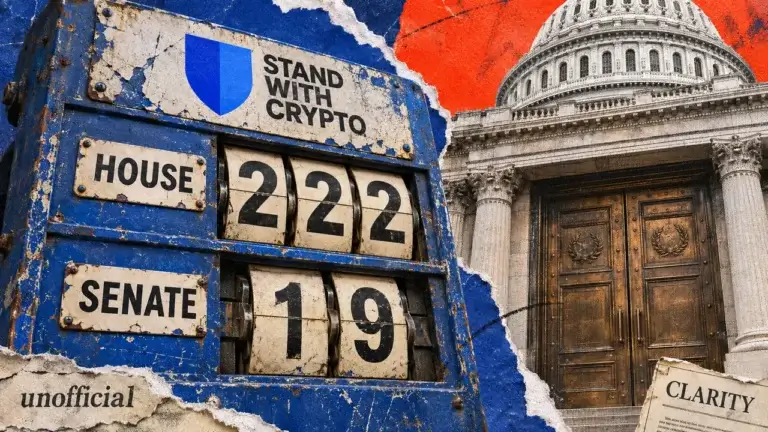
House Democrats are discussing a crypto market structure bill that could give the SEC a larger role and the CFTC a smaller one, following the CLARITY Act's failure to advance on a 49-50 cloture vote on Sept. 15. The proposal remains unpublished, so its scope, deadlines and enforcement provisions are unknown. A framework tied to Rep. Maxine Waters' earlier proposals could set enforceable customer protections for exchanges and other retail-facing firms.
Why it matters
Waters' 2025 amendment proposed 24-hour withdrawals, monthly proof-of-reserves attestations, segregated customer assets and affirmative consent before firms lend, stake or rehypothecate customer holdings. It also called for customer orders to take priority over a platform's proprietary trades and for restrictions on affiliated trading. The House Rules Committee rejected the amendment's eligibility for floor consideration in July.
The September Senate compromise already addressed customer-property protections, CFTC registration and SEC oversight of some investment-contract offerings. Its sponsors said a revision included 126 substantive changes requested by Democrats, but that tally did not amount to Democratic endorsement. Disputes over ethics provisions and how to divide agency authority remain unresolved.
Market impact
A Democratic successor could add SEC oversight of crypto intermediaries, issuers or customer standards, changing registration, disclosure, order-handling and custody obligations. Higher fixed compliance costs could weigh more heavily on smaller platforms. The March 2026 SEC and CFTC interpretation treats Bitcoin as a digital commodity, but token classification and exchange regulation are separate legal questions.
The bill would still need approval by both chambers and a presidential signature, or a veto override. For customers, the practical stakes include withdrawal timelines, reserve verification and treatment of assets in insolvency. Ordinary proof-of-reserves reports are not full audits, and non-security crypto assets are outside SIPC protection, so any proposed customer-compensation mechanism would need its own terms.

Frequently asked questions
-
What customer protections did Waters' earlier crypto proposal include?
It proposed 24-hour withdrawals, monthly reserve attestations, segregated customer assets and affirmative consent before firms lent, staked or rehypothecated customer holdings.
-
What did the 49-50 vote on the CLARITY Act decide?
The cloture vote concerned proceeding to the bill. It failed, so the vote was not a final passage vote.
-
How could a larger SEC role affect crypto exchanges?
A successor bill could add registration, disclosure, order-handling and custody duties. Those obligations could increase fixed compliance costs, particularly for smaller platforms.
-
Does Bitcoin's digital commodity classification determine who regulates crypto exchanges?
No. The March 2026 SEC and CFTC interpretation treats Bitcoin as a digital commodity, but token classification and exchange regulation are separate legal matters.
-
Would proof-of-reserves reports guarantee customer assets are protected?
No. Ordinary proof-of-reserves reports differ from full audits and can omit liabilities, ownership rights and borrowed assets. Any compensation mechanism would also need its own eligibility and funding terms.
 CoinDesk
 Crypto News
 Crypto Capital Venture
 CoinTelegraph