








 CoinDesk
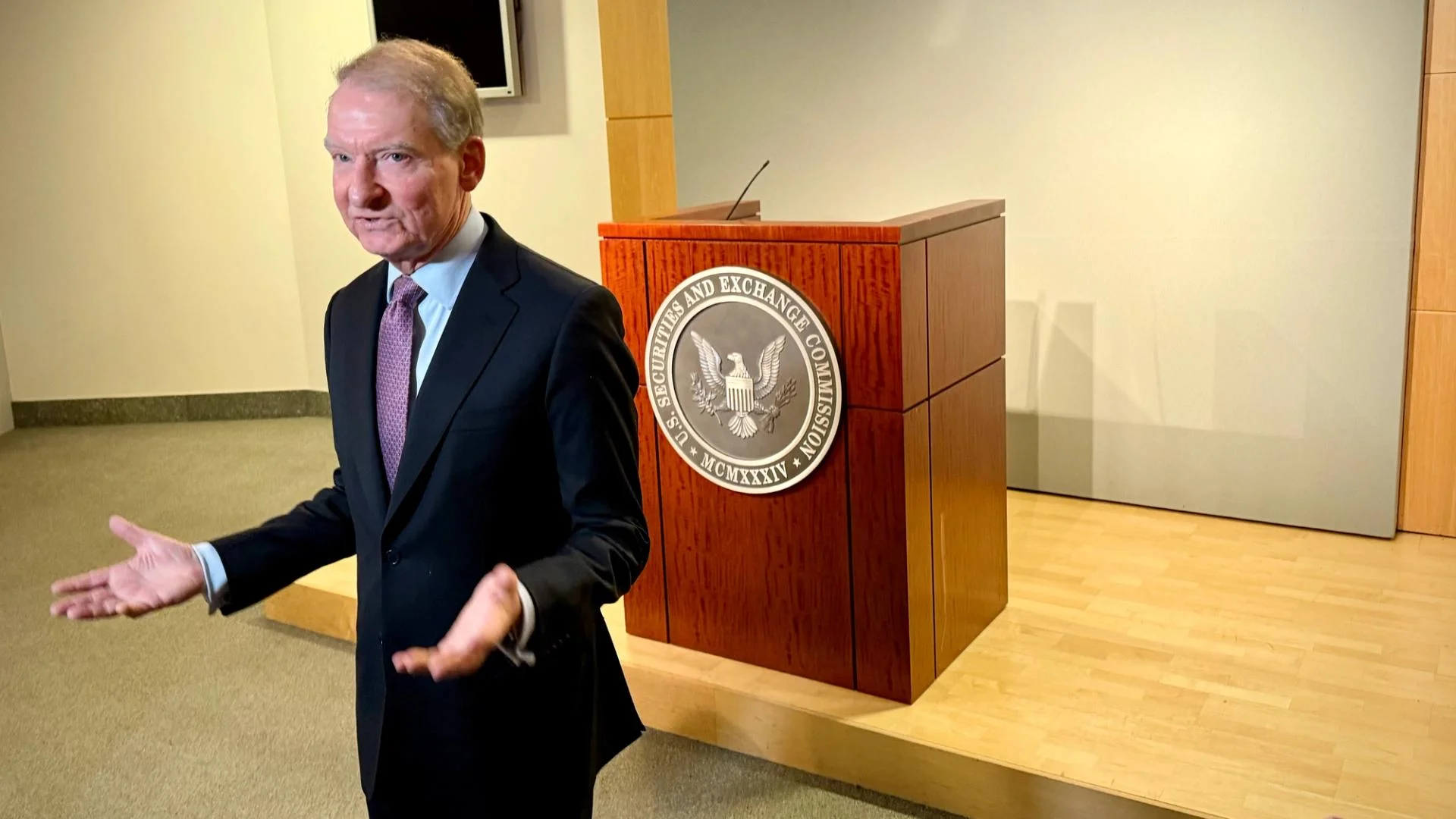


The U.S. Securities and Exchange Commission has set a Sept. 17 roundtable to weigh round-the-clock U.S. securities trading, pulling NYSE, Nasdaq, State Street, Citadel Securities, Cboe, DTCC and Robinhood into the same room to work through overnight surveillance, closing-price practices and continuous clearing. The same day, the agency proposed a new transfer-agent rule explicitly written to recognize blockchain technology and other innovations, with a 60-day comment window. The proposal lets blockchains serve as official records of securities transactions, paired with new cybersecurity and operational controls on the agents themselves. SEC Chairman Paul Atkins framed the package as a modernization of a framework last updated decades ago, before onchain settlement was even conceivable.
Why it matters
The transfer-agent proposal is the load-bearing piece for crypto. By codifying blockchains as legitimate recordkeeping infrastructure for share ownership, the SEC is doing for tokenized securities what the spot ETF approvals did for spot bitcoin exposure: turning a tolerated workaround into a regulated rail. Commissioner Hester Peirce's own question, whether transfer agents should be allowed to collect digital wallet identifiers instead of physical addresses, telegraphs where the agency thinks the rule has to land. The 24-hour roundtable is the second-order story. Equity markets have never traded continuously, and the plumbing questions (clearing, settlement, maintenance windows, surveillance) are the kind that take years to answer, not months.
Market impact
Tokenization plays catch a direct tailwind if the transfer-agent rewrite survives the comment period intact. The Sept. 17 roundtable is the harder read. Equities moving to 24/7 would redraw the hours of every market participant and likely reshape crypto broker-dealer obligations as the same firms end up on both sides of the fence. Bullish, the parent of CoinDesk, recently paid $4.2 billion for transfer agent Equiniti, a directional bet that the role is about to become structurally more valuable, not less.
Frequently asked questions
-
What did the SEC actually propose for transfer agents?
The SEC proposed a rule explicitly recognizing blockchain technology as part of the transfer-agent role, letting blockchains serve as official records of securities transactions. The proposal opens a 60-day comment window and adds new cybersecurity and operational controls on the agents themselves.
-
Why does Commissioner Peirce's question about digital wallet addresses matter?
Peirce asked whether transfer agents should be allowed to collect digital wallet identifiers instead of physical addresses for securityholders. It signals the agency is open to defining onchain identity as the primary identifier, the prerequisite for tokenized securities to scale beyond permissioned pilots.
-
Who is attending the SEC's Sept. 17 roundtable on 24-hour trading?
The participant list includes NYSE, Nasdaq, State Street, Citadel Securities, Cboe, DTCC and Robinhood. The agenda covers overnight surveillance, closing-price practices, clearing and settlement, and continuous maintenance windows.
-
How does this affect tokenized securities?
The transfer-agent proposal, if finalized, would codify blockchains as legitimate recordkeeping infrastructure for share ownership. That is the regulated rail tokenization has been missing, the same role the spot BTC and ETH ETF approvals played for direct crypto exposure.
-
Why did Bullish pay $4.2 billion for transfer agent Equiniti?
Bullish, parent of CoinDesk, acquired Equiniti to position itself inside the regulated transfer-agent layer as blockchain-recognized rails expand. The deal is a directional bet that the role becomes structurally more valuable as tokenization scales, not less.
 Altcoin Daily
 CoinTelegraph
 CryptoSlate
 WatcherGuru
 TheBlock
 Crypto News