








 CoinDesk
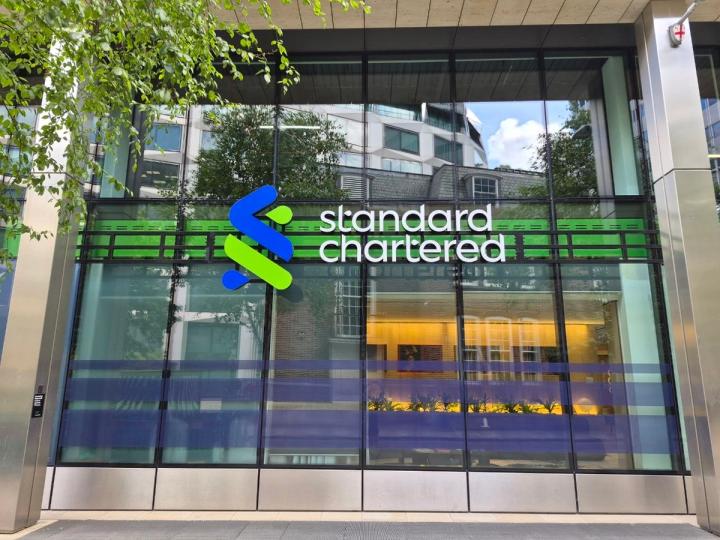



Standard Chartered and BNY, the world's largest custody bank with $59 trillion in assets under management, are now offering institutional clients direct access to mint, redeem and custody Circle's USDC. The moves land within days of each other and signal a wider shift: global systemically important banks are no longer debating whether stablecoins belong in finance, they are competing to anchor the networks that move them.
Industry executives say the value increasingly sits in the surrounding rails rather than the tokens themselves. Any bank can issue a stablecoin, according to Steakhouse Financial co-founder Adrian Cachinero Vasiljevic, but "if nobody uses the stablecoin, the stablecoin is worthless."
The discussion intensified after Circle CEO Jeremy Allaire responded to the launch of OpenUSD, a rival backed by Coinbase, Stripe and BlackRock. Allaire argued USDC's position rests on a decade of building liquidity, banking relationships and regulatory approvals.
Why it matters
Chainalysis estimates stablecoin settlement volumes could reach a quadrillion dollars a year by 2030, up from current levels that already rival card network throughput. Banks that build custody, minting and treasury rails around an existing stablecoin network now are positioning to capture the institutional flow before the volume fully arrives. Standard Chartered's move follows BNY's expanded USDC support, and both institutions are classified as global systemically important by the Basel Committee, putting them under the highest tier of cross-border regulatory scrutiny.
Market impact
European lenders see a parallel urgency: dollar-backed tokens already make up more than 99% of the total stablecoin market cap, and a euro-denominated alternative is years behind. Jan-Oliver Sell, CEO of Qivalis, a consortium of 37 European financial institutions building the EUOC stablecoin, warned that without a euro on-chain, settlement will default to USDC. Societe Generale, Credit Agricole and Qivalis are now publishing euro tokens into that gap.

Frequently asked questions
-
Why are Standard Chartered and BNY now offering USDC services?
Both banks are offering institutional clients direct access to mint, redeem and custody Circle's USDC through their own infrastructure. The moves position the banks to capture institutional flow as stablecoin settlement volumes scale toward an estimated quadrillion dollars a year by 2030.
-
How big is BNY's custody business?
BNY manages $59 trillion in assets and is classified as a global systemically important bank by the Basel Committee. Its expanded USDC support lets institutional clients mint, redeem and custody the stablecoin using BNY's infrastructure rather than building their own.
-
What is OpenUSD and how does it compete with USDC?
OpenUSD is a stablecoin backed by Coinbase, Stripe and BlackRock. Circle CEO Jeremy Allaire responded to its launch by arguing USDC's lead rests on nearly a decade of liquidity, banking relationships and regulatory approvals built before competitors arrived.
-
Why are European banks building a euro stablecoin?
Dollar-backed stablecoins currently make up more than 99% of total stablecoin market cap. Qivalis, a consortium of 37 European financial institutions, is developing the EUOC stablecoin to give European banks a regulated euro alternative before settlement migrates permanently to USDC.
-
What is Chainalysis projecting for stablecoin settlement volumes?
Chainalysis estimates stablecoin settlement volumes could reach a quadrillion dollars a year by 2030. That scale is driving major banks to build payment, treasury and settlement infrastructure around stablecoin networks now rather than after the volume arrives.
 CoinTelegraph
 TheBlock
 Crypto Rank News
 WuBlockchain
 Altcoin Daily