









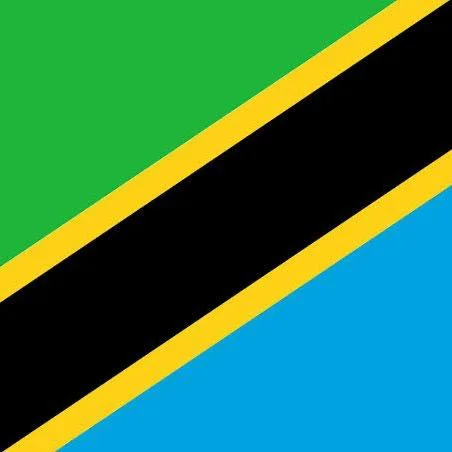
Tanzania's central bank is preparing a regulatory framework for cryptocurrencies and stablecoins, a move that would bring one of East Africa's larger economies into a formal rulebook for digital assets where most activity currently runs in grey zones.
Why it matters
The Bank of Tanzania's announcement signals a policy shift from the caution that defined its earlier stance, when the bank publicly discouraged citizens from using crypto. Joining the handful of African jurisdictions drafting comprehensive frameworks, including South Africa, Nigeria, and Mauritius, signals that cross-border stablecoin flows, particularly remittances, are now a policy problem African central banks want to manage directly rather than route around.
Market impact
A formal framework typically opens the door to licensed on-ramps and bank-facilitated settlement, which can pull volumes out of peer-to-peer grey markets and into regulated venues. Watch for whether the framework distinguishes between foreign-pegged stablecoins and any prospective central bank-issued digital currency, since that split will shape which issuers find Tanzania commercially viable.
Frequently asked questions
-
Why is Tanzania's central bank moving to regulate crypto now?
The Bank of Tanzania previously discouraged crypto use, but cross-border stablecoin flows, particularly remittances, have become a policy problem African central banks increasingly want to manage directly rather than route around.
-
Which other African countries have crypto regulatory frameworks?
South Africa, Nigeria, and Mauritius are among the African jurisdictions already drafting or operating comprehensive digital-asset rulebooks that Tanzania would join.
-
How could a regulatory framework change crypto activity in Tanzania?
A formal framework typically unlocks licensed on-ramps and bank-facilitated settlement, pulling volumes out of peer-to-peer grey markets and into regulated venues.
-
Will the framework cover stablecoins differently from other crypto?
The announcement frames crypto and stablecoins together, but the practical question is whether foreign-pegged stablecoins will be treated differently from any prospective central bank digital currency.
-
What should investors watch next from the Bank of Tanzania?
Watch for the framework's distinction between foreign-pegged stablecoins and any central bank-issued digital currency, since that split will shape which issuers find Tanzania commercially viable.

 WatcherGuru
 WuBlockchain
 CryptoSlate
 CoinDesk