


 CryptoSlate
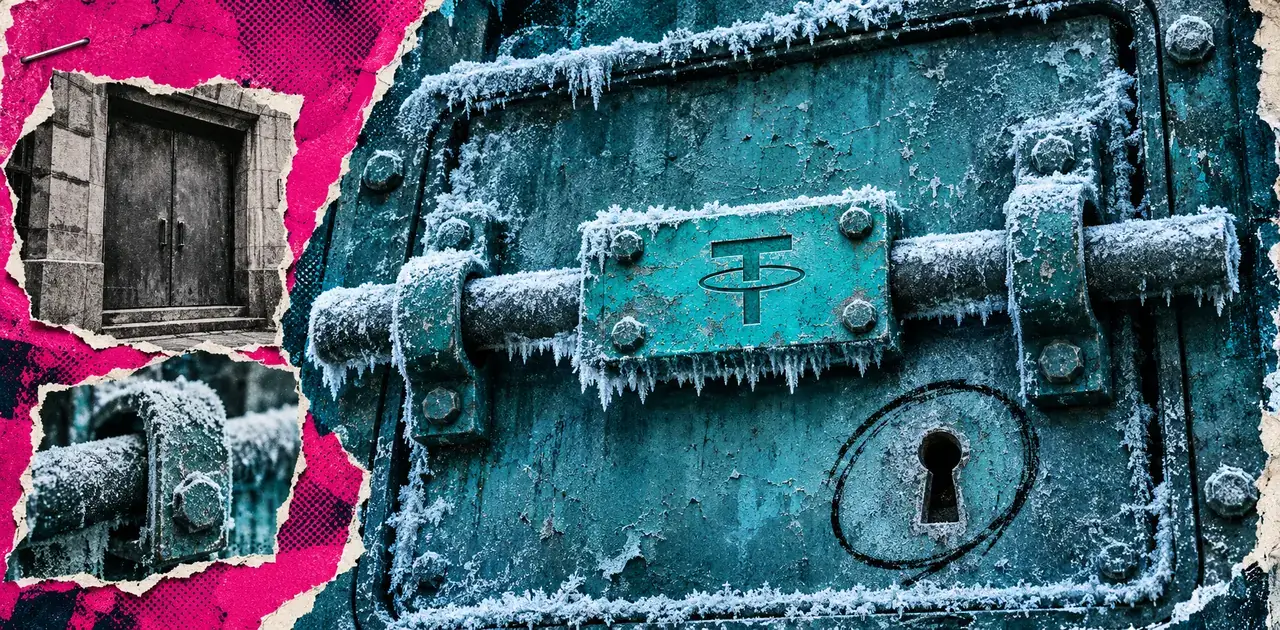


Tether said it froze more than $1.5 billion in stolen USDT within 30 minutes of Binance’s Oct. 29 hack, blocking funds linked to North Korean attackers. Bitquery found that about $729 million in stolen USDT escaped freezes, while the attackers still controlled roughly $3 billion in cryptocurrency as of Nov. 2.
Why it matters
The intervention highlights a defining trade-off in stablecoins: issuer controls can help stop suspicious transfers, but they also give issuers the power to restrict activity at specific addresses. Tether said it has frozen more than $7 billion in USDT across secondary-market addresses and helped return about $1.2 billion to rightful owners and law enforcement through token reissuance.
Bitquery identified 11 attacker-controlled wallets frozen across Ethereum and TRON; six had already been emptied. One wallet deposited $60 million in USDT into Aave shortly before being frozen, then borrowed about $45 million in ETH against the collateral. Because the funds had entered Aave’s lending pool, freezing the wallet did not immobilize that collateral.
Market impact
Bitquery estimated that about $1.76 billion in stolen USDT was ultimately frozen, or roughly 71% of the amount taken. Across stablecoin issuers and other emergency interventions, about $2.7 billion in stolen assets was immobilized or secured. Funds converted into assets such as ETH were beyond Tether’s direct control.
Tether has not identified who will receive the frozen funds, what legal authorization applies, or when any recovery could occur. US authorities urged exchanges and other service providers to block transactions tied to identified North Korean wallets.





Frequently asked questions
-
How much stolen USDT did Tether freeze after the Binance hack?
Tether said it froze more than $1.5 billion within 30 minutes. Bitquery later estimated that about $1.76 billion was ultimately frozen.
-
How much stolen USDT escaped the freezes?
Bitquery estimated that approximately $729 million in stolen USDT escaped the freezes.
-
Why could freezing a wallet not immobilize funds deposited into Aave?
The wallet deposited $60 million in USDT into Aave and borrowed about $45 million in ETH. Once the collateral entered Aave’s lending pool, freezing the wallet did not immobilize it.
-
What does Tether say about its broader record of freezing USDT?
Tether says it has frozen more than $7 billion across secondary-market addresses and helped return about $1.2 billion to rightful owners and law enforcement through token reissuance.
-
What is known about the recovery of the frozen Binance-linked funds?
The receiving party, legal authorization and recovery timeline for the frozen funds have not been identified.
 CoinTelegraph
 CoinDesk
 WuBlockchain
 WatcherGuru