








 CoinDesk
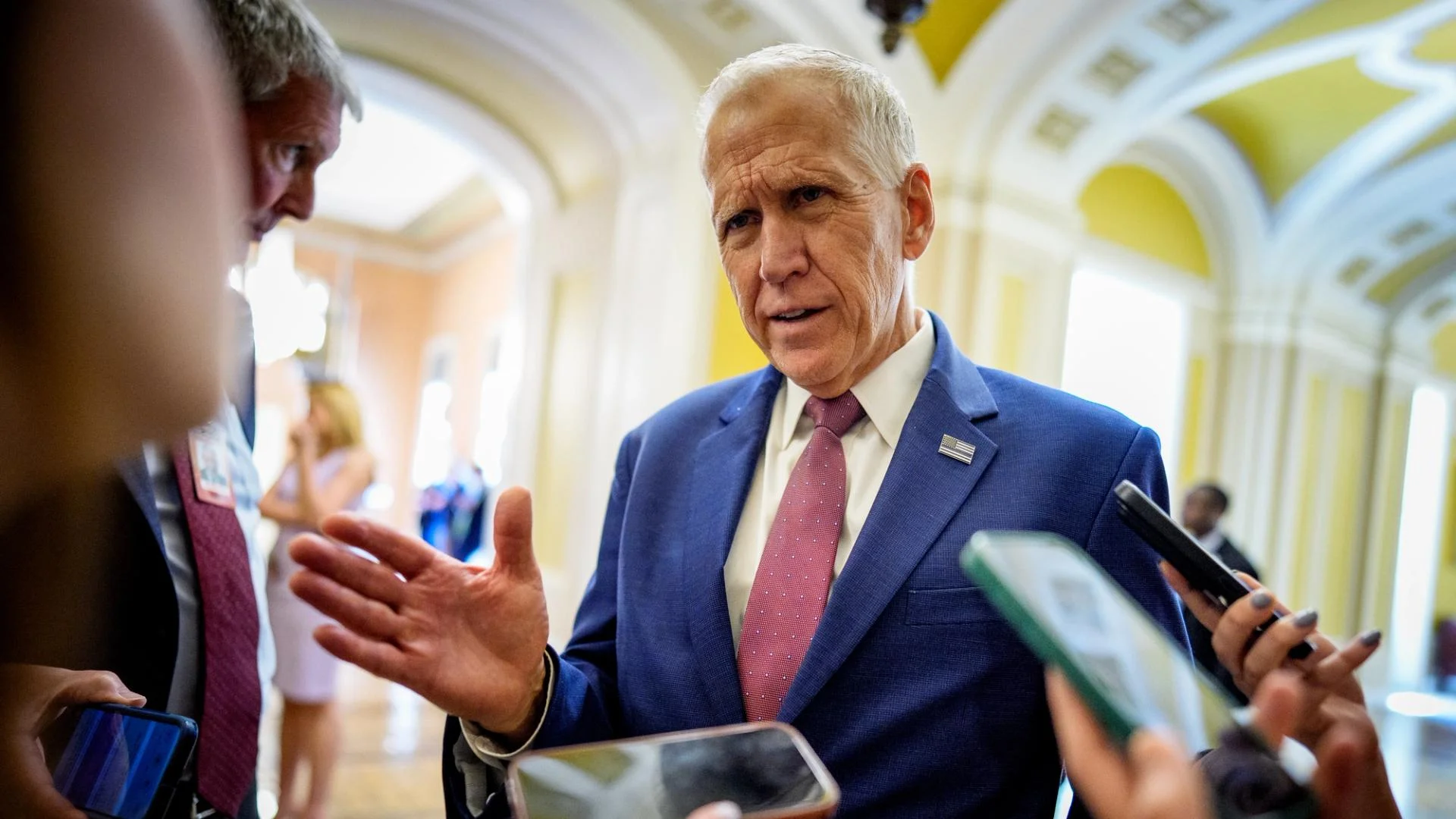



Senators Thom Tillis and Ruben Gallego have finalized their approach to revamp the crypto conflict-of-interest ethics section of the Clarity Act, according to people briefed on the effort, though the legislative text has not yet been released. The bipartisan duo took on the task after the White House-approved ethics provision, designed to bar senior U.S. officials from direct ties to crypto projects, failed to satisfy most Democrats who argued it was structured to leave President Donald Trump's crypto business empire effectively untouched.
Why it matters
The ethics language sits at the center of a bill the industry has been waiting on for nearly a year. Trump surprised some crypto insiders by agreeing to a narrow version of the conflict-of-interest concept, and the White House pitched it as an unprecedented ethics constraint directly affecting the president. Democratic opponents counter that the carve-out leaves the bar low enough that Trump would not have to do much, if anything, to comply, and that enforcement would sit with a DOJ led by his appointed loyalists. Tillis and Gallego's compromise is the attempt to bridge that gap before the window closes.
Market impact
The clock is doing most of the damage. Senate Majority Leader John Thune has acknowledged the bill likely does not have time to clear the multi-stage cloture process before the August recess, and cloture on a contested bill devours days of dedicated floor time that the Senate already has competing claims on. Crypto industry lobbyists are watching the Tillis-Gallego text because resolving the ethics fight is what they believe gives the rest of the package momentum; sticking points on DeFi illicit-finance language pushed by Senator Catherine Cortez Masto and on stablecoin yield restrictions the American Bankers Association is still pressing for remain unresolved. Coinbase CEO Brian Armstrong said on X that "clear rules are almost here" and "we're at the one yard line," but if the bill does not move in September a post-election lame-duck path looks thin, especially if Democrats retake the House.
Frequently asked questions
-
What did Senators Tillis and Gallego finalize on the Clarity Act?
They finalized a bipartisan approach to revamp the ethics section that would bar senior U.S. officials from direct ties to crypto projects, though the legislative text has not yet been released.
-
Why are Democrats opposed to the White House's ethics language?
Democrats argue the White House-approved provision is structured loosely enough that President Trump would not have to do much to comply, and that enforcement would sit with a DOJ led by his appointees.
-
How much time does the Clarity Act have to pass the Senate?
The Senate has roughly seven floor days before the August recess, and Majority Leader John Thune has acknowledged the bill likely does not have time to clear the multi-stage cloture process before the break.
-
What other sticking points remain in the Clarity Act besides ethics?
Senator Catherine Cortez Masto is pushing to tighten DeFi illicit-finance language, and the American Bankers Association is still pressing for stricter stablecoin yield restrictions in a Tuesday letter to Senate leadership.
-
What happens if the Clarity Act does not pass before the recess?
Industry hopes shift to a brief September window, but a post-election lame-duck path looks thin, especially if Democrats retake the House and refuse to accept work largely driven by Republicans.
 CoinTelegraph
 WatcherGuru
 Crypto Capital Venture
 Benjamin Cowen
 CryptoSlate
 Crypto News