








 CoinDesk
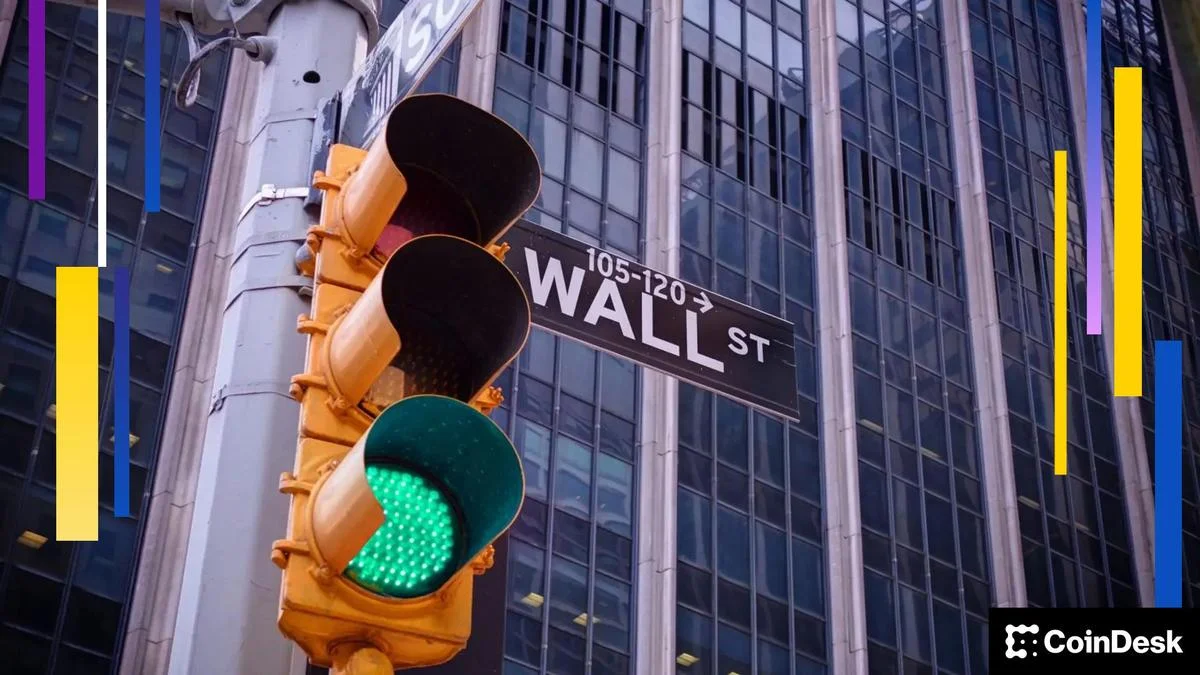



Citrini Research's 79-page report, Breaking the Wall, argues that real-world assets could give blockchains a clear role in mainstream finance. Treasuries, credit, stocks, funds and commodities are beginning to move onchain, while stablecoins, wallets, exchanges and DeFi provide the supporting rails. A parallel RWA stablecoin thesis points to 5% to 7% yields from real credit, compared with roughly 4% in crypto funding, and a potential $4 billion market within three years.
Why it matters
Citrini's core argument is that tokenization turns financial assets into software-like instruments. Once onchain, they can move between applications, serve as collateral, be lent out and plug into other products without each platform rebuilding custody and settlement. The firm said blockchains have finally found their "raison d'être."
That does not mean every existing crypto asset captures the value. Arthur Hayes questioned whether simply recording securities on another digital database creates enough economic value. The bigger opportunity may come from trading, lending, collateral management and AI agents that can move money and rebalance portfolios continuously.
Market impact
The potential winners span several layers. Infrastructure providers could become toll booths, while Coinbase, Robinhood, banks and wealth platforms may benefit from distribution. Securitize, Aave and Hyperliquid represent possible post-issuance beneficiaries as assets trade, enter lending markets or support borrowing. Grayscale's Zach Pandl identified Ethereum as the leading network bet, with Avalanche and Canton positioned for other roles.
The market remains extremely early, and tokenized assets are still small relative to global financial markets. That leaves room for today's leaders to change as issuance becomes commoditized and the most durable revenue shifts toward networks, liquidity and collateral use.





Frequently asked questions
-
What does Citrini see as the main use case for tokenization?
Citrini argues that tokenization can turn financial assets into software-like instruments that move between applications, support lending and serve as collateral.
-
Why might token issuance alone fail to create the most value?
Issuance can become commoditized as competition grows. The stickier economics may emerge when assets trade, enter lending markets or support borrowing.
-
Which companies could benefit from tokenization distribution?
Coinbase, Robinhood, banks and wealth platforms could benefit because they already have customer relationships and distribution channels.
-
Which blockchain does Grayscale's Zach Pandl identify as the leading network bet?
Pandl identifies Ethereum as the industry leader and the most direct network exposure to the tokenization trend, while Avalanche and Canton may develop other roles.
-
Why could AI agents increase demand for tokenized assets?
AI agents could continuously rebalance portfolios, move idle cash, find cheaper loans and shift collateral. They would need programmable assets and always-on financial markets to do so.
 CryptoSlate
 Crypto Rank News
 WuBlockchain
 Altcoin Daily
 TheBlock
 CZ Binance