








 CoinDesk
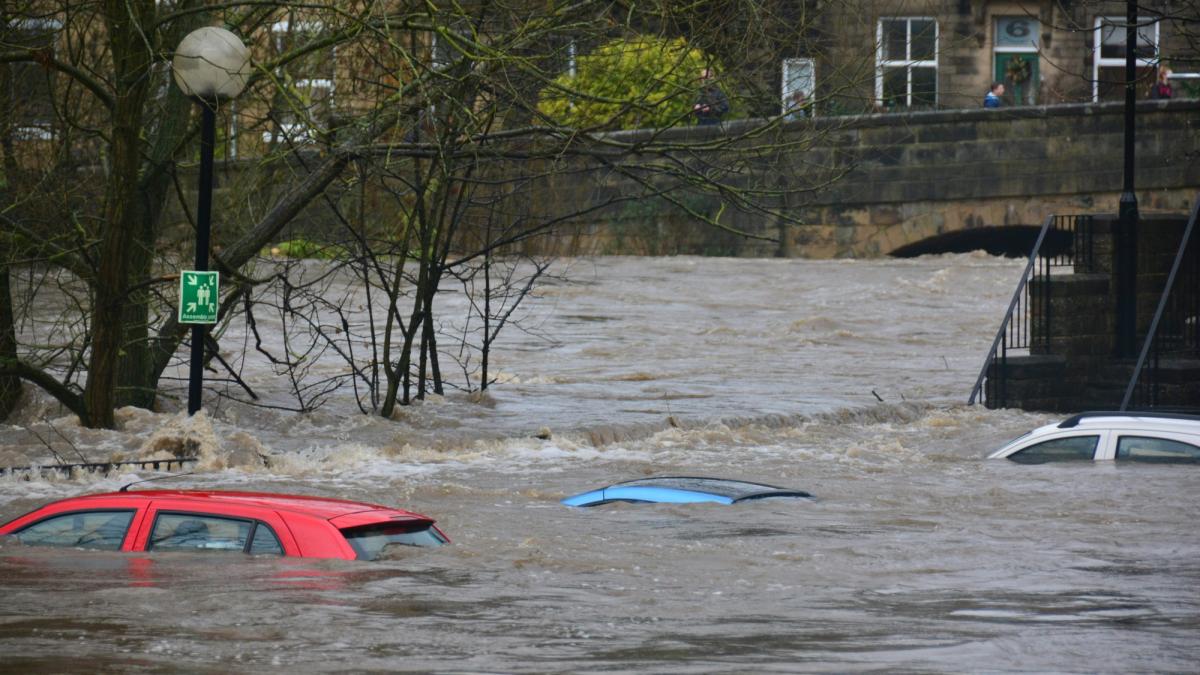



Natural disasters caused $220 billion in economic losses last year, while insurance covered $107 billion, leaving a $113 billion protection gap for households, businesses and governments. Against that backdrop, Bermuda-based law firm Harneys and tokenization platform dropRWA plan to issue catastrophe bonds with legal ownership recorded onchain in early 2027. The structure is designed to widen access through smaller ownership units while remaining subject to securities, insurance and investor-protection rules.
Why it matters
Catastrophe bonds let insurers transfer the financial risk of hurricanes, wildfires and earthquakes to capital-market investors. The market reached $65.6 billion outstanding in June, while new issuance hit $11.3 billion in the second quarter, its largest quarterly total on record, according to Artemis.
The need for additional risk capital is particularly acute in the Asia-Pacific region. The OECD said 91% of disaster losses there were uninsured in 2023, while limited claims data and uncertain catastrophe models can make high-risk coverage difficult for insurers and reinsurers to price.
Traditional cat-bond offerings have largely served specialist funds and large institutions, with many requiring minimum investments of $250,000 or more. A tokenized ownership record could support smaller beneficial interests and let specialist underwriters raise capital around a single defined risk, such as flood or typhoon protection in Southeast Asia.
Market impact
The proposal does not turn catastrophe coverage into a conventional retail product. Henry Tucker of Hearns said the capital would remain fully committed to a defined insurance risk, rather than represent a bet against another investor. Investors would still face the possibility of losing capital when the covered event occurs.
Tokenization also will not reduce the cost of hurricanes, floods or wildfires or guarantee cheaper insurance. Its potential impact is market access: more granular ownership units could bring additional investors into a market built to absorb extreme losses.
Frequently asked questions
-
What are Harneys and dropRWA planning to issue?
The firms plan to issue tokenized catastrophe bonds in Bermuda in early 2027. The tokens would represent legal ownership of the catastrophe bond, subject to securities, insurance and investor-protection rules.
-
How large is the disaster-insurance gap described in the story?
Natural disasters caused $220 billion in economic losses last year, while insurance covered $107 billion. That leaves a $113 billion gap between total losses and insured losses.
-
How do catastrophe bonds transfer risk?
Catastrophe bonds transfer the financial risk of events such as hurricanes, wildfires and earthquakes from insurers to capital-market investors. Investors commit capital to cover a defined insurance risk.
-
Why could tokenization widen access to catastrophe bonds?
Many conventional catastrophe-bond offerings require minimum investments of $250,000 or more. Smaller tokenized beneficial interests could allow a broader group of investors to participate, while remaining regulated.
-
Can investors lose money through tokenized catastrophe bonds?
Yes. The capital is fully committed to a defined insurance risk, and investors can lose money when the covered disaster occurs. Tokenization does not make catastrophe exposure risk-free.
 TheBlock
 WatcherGuru
 WuBlockchain
 CoinTelegraph
 CryptoSlate
 Crypto Rank News