








 CoinDesk
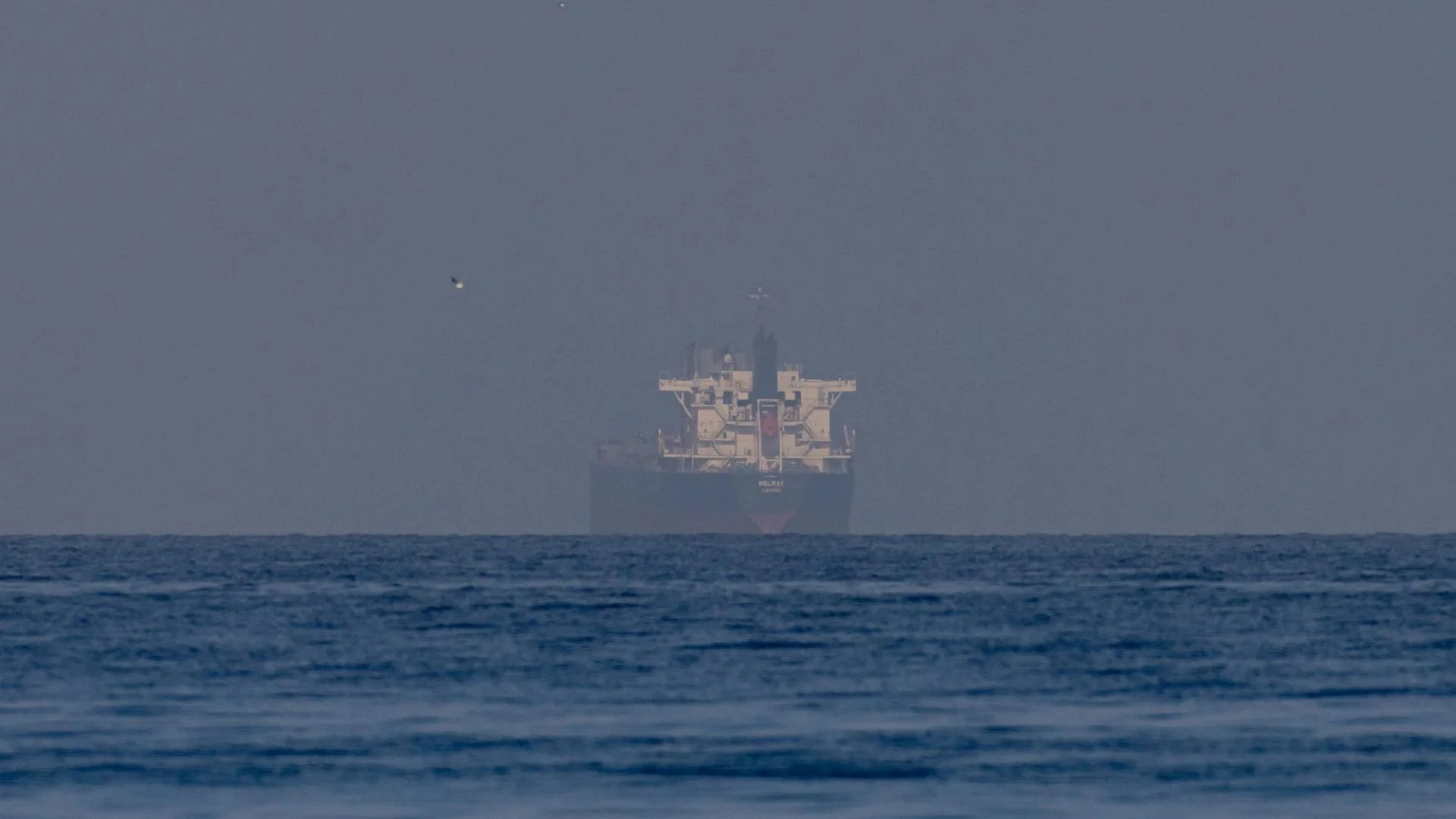


The US Treasury Department sanctioned two Iranian maritime insurance entities on Friday, designating Persian Gulf Marine Insurance Company and HormuzSafe Marine Services Authority over a bitcoin-settled insurance scheme that forced commercial vessels transiting the Strait of Hormuz to buy coverage against risks largely created by Iran itself. Treasury's Office of Foreign Assets Control said the proceeds flowed to the Islamic Revolutionary Guard Corps, framing the arrangement as extortion rather than insurance.
Under the designations, US persons are barred from transacting with either firm, and foreign companies paying premiums in bitcoin or other digital assets face the same secondary-sanctions exposure as those paying through banks. Treasury noted that Hormuz Safe was developed by Iran's Ministry of Economy and accepts payment in Bitcoin and other digital assets as part of the regime's efforts to bypass Western sanctions. Both firms were sanctioned under an executive order covering Iran's petroleum and petrochemical sectors.
Why it matters
The action explicitly puts crypto rails inside the same sanctions perimeter as SWIFT, a quiet but durable precedent for how OFAC treats digital-asset settlement in geopolitically sensitive corridors. Treasury Secretary Scott Bessent framed the move as a response to an Iranian economy "in freefall and inflation in the triple digits," signalling the US is willing to choke off novel crypto-based revenue channels even when the underlying platform is barely operational. The Persian Gulf Strait Authority, an IRGC-backed body that approved the policies, was already designated in May.
Market impact
The Strait of Hormuz handles a significant share of seaborne oil flows, and traffic has thinned during weeks of US strikes on Iran that have kept crude prices elevated. The bitcoin-settled angle adds a new compliance cost for shipping desks and stablecoin issuers servicing the region: any exposure to either entity now carries OFAC designation risk.

Frequently asked questions
-
What did the US Treasury actually sanction?
OFAC designated Persian Gulf Marine Insurance Company and HormuzSafe Marine Services Authority, two Iranian maritime insurance entities that ran a bitcoin-settled insurance scheme for ships transiting the Strait of Hormuz.
-
How does bitcoin fit into the Hormuz Safe scheme?
Hormuz Safe was developed by Iran's Ministry of Economy and accepts payment in Bitcoin and other digital assets. Treasury said premiums were part of the regime's effort to bypass Western sanctions.
-
What happens to foreign companies that paid in crypto?
Under the designations, US persons are barred from dealing with the two firms, and foreign companies transacting with them, including those paying in bitcoin, risk secondary sanctions. Crypto payments carry the same exposure as bank payments.
-
Where do the proceeds allegedly go?
Treasury said the premiums funnelled to the Islamic Revolutionary Guard Corps and that the policies covered risks such as vessel seizures that were "overwhelmingly created by Iran itself."
-
Why does this matter beyond the specific firms?
The action puts crypto settlement inside the same sanctions perimeter as traditional rails, signalling OFAC will treat digital-asset payments to designated entities the same as fiat transfers. It also lands in a chokepoint already pricing geopolitical risk, where oil prices have stayed elevated during weeks of US…
 TheBlock
 WatcherGuru
 CoinTelegraph
 WuBlockchain