








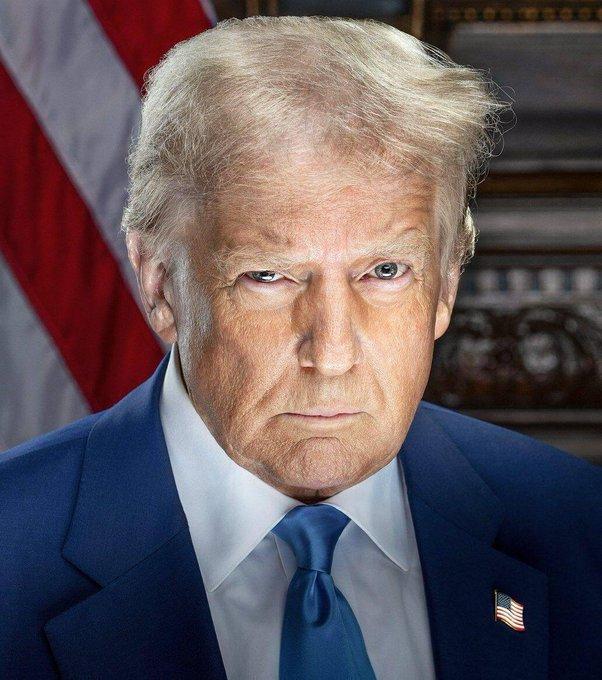
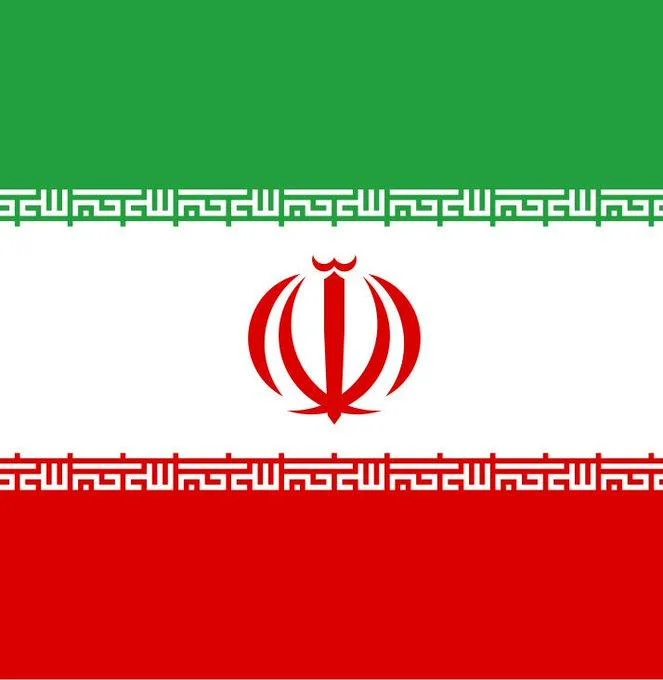
President Trump declared the memorandum of understanding with Iran "is over" at the NATO summit, saying "it's a waste of time dealing with them." The remark came during his appearance in The Hague, the same day allied leaders gathered to discuss Ukraine and broader security commitments.
Why it matters
The MOU had functioned as a thin diplomatic buffer since the spring framework. Killing it without a replacement removes the only structured channel for de-escalation. Markets now price the Strait of Hormuz shipping lane and any retaliatory posture as live risks again, which feeds directly into the oil tape and, by extension, the inflation expectations that shape the Fed's next move.
Market impact
Crypto trades as a risk-off hedge candidate in this tape, but the first read is correlation rather than flight-to-quality. BTC and alts typically take the hit alongside equities on geopolitical shocks before any safe-haven bid asserts. Watch crude futures, the DXY, and Treasury yields as the lead indicators of whether risk appetite recovers or compounds the sell-off.
Frequently asked questions
-
What did Trump say about the Iran MOU at the NATO summit?
President Trump declared the memorandum of understanding with Iran "is over" at the NATO summit in The Hague, telling reporters "it's a waste of time dealing with them."
-
What was the Iran MOU, and why does tearing it up matter?
The MOU was a thin diplomatic framework negotiated earlier in the spring that served as the only structured channel for de-escalation between Washington and Tehran. Killing it without a replacement removes that buffer and pulls geopolitical risk pricing back into oil, FX, and risk assets.
-
How does this affect oil and the Strait of Hormuz?
Roughly a fifth of global crude transits the Strait of Hormuz. The collapse of the framework raises the risk of retaliatory action that could disrupt shipping lanes, pushing crude futures higher and re-igniting inflation expectations that shape Fed policy.
-
Why is crypto exposed to an Iran geopolitical shock?
BTC and alts typically trade correlated to equities in the opening hours of a geopolitical shock. The safe-haven bid is usually a second-day story, while the first read is a broad risk-off sell-off across both traditional and digital assets.
-
What indicators should investors watch next?
Crude oil futures, the US dollar index, and Treasury yields are the lead indicators for whether the risk-off move extends or finds a bid. Any Iranian retaliatory posture toward the Strait of Hormuz would be the catalyst that compounds the sell-off.

 WatcherGuru
 CryptoSlate
 Crypto News
 TheBlock
 CoinDesk