








 WatcherGuru
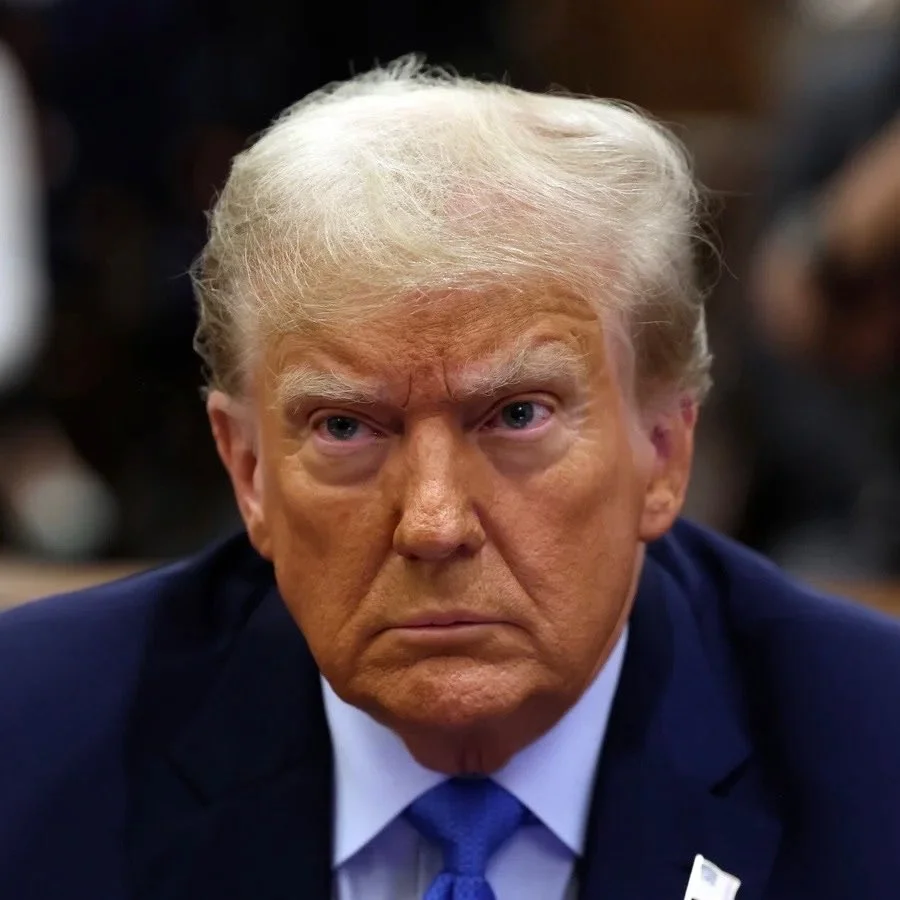

President Trump publicly threatened to "stop trading with Europe" if Canada joins the European Union as an associate member, escalating trade-war rhetoric against two of the United States' largest trading partners in a single conditional warning.
Why it matters
The threat ties a baseline trade-termination warning to a hypothetical Canadian accession to the EU, framing what would normally be a sovereign-political decision as a bilateral trade risk. The US and EU together account for roughly one-third of global goods trade, and Canada is the US's second-largest bilateral trading partner. Linking the two in a single conditional threat is the kind of ambiguity markets struggle to price.
Market impact
Equities tied to transatlantic supply chains (autos, industrials, agriculture) will read this as a tail-risk signal, while the euro and Canadian dollar face negative pressure as traders price the rhetorical escalation. Gold typically benefits from this kind of uncertainty shock. Watch for EU Council reaction and any Canadian ministerial response; both will shape whether the threat hardens into policy or dissipates as negotiation posture.
Frequently asked questions
-
Why did Trump tie a Canada-EU accession scenario to US-Europe trade?
The threat connects two separate trade disputes into a single conditional warning, framing what would normally be a sovereign-political decision as a bilateral trade risk that markets must hedge.
-
How exposed is the US economy to EU and Canadian trade?
The US and EU together account for roughly one-third of global goods trade, and Canada is the US's second-largest bilateral trading partner, making any trade-termination threat a material tail risk.
-
Which sectors are most exposed to a US-Europe trade shutdown?
Equities tied to transatlantic supply chains (autos, industrials, agriculture) face the most direct exposure, while the euro and Canadian dollar typically see negative pressure during such escalations.
-
How is this different from earlier trade-war salvos this cycle?
Conditioning a trade-termination threat on a hypothetical political move is unusual. It converts a distant diplomatic scenario into a near-term market variable traders cannot ignore.
-
Is this threat policy or just negotiation posture?
That distinction will hinge on EU Council and Canadian ministerial responses. Markets will read both as signals on whether the rhetoric hardens into policy or dissipates.
 TheBlock
 Altcoin Daily
 CoinTelegraph
 CoinDesk
 CryptoSlate
 Crypto News