








 CryptoSlate
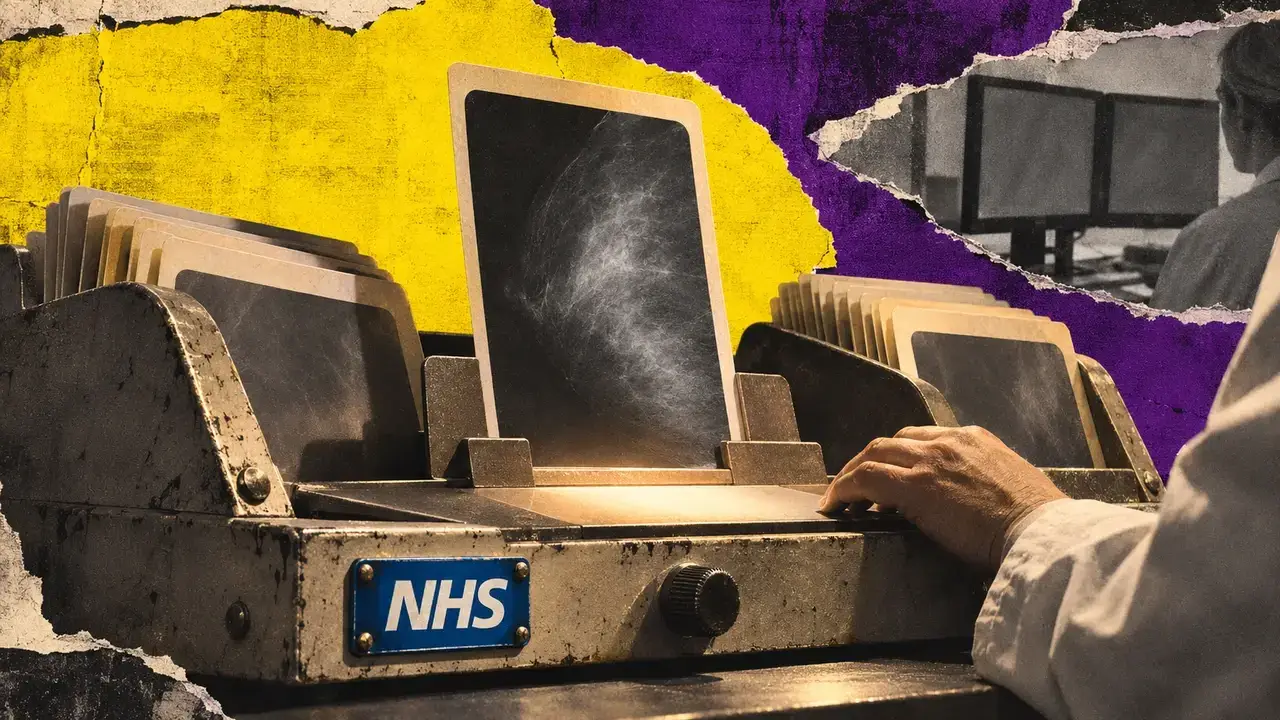

Women in Cambridgeshire are the first to join EDITH, a UK trial aiming to enroll 660,000 women across about 30 breast screening centers. The study will compare two AI-assisted approaches with the usual process in which two NHS experts read each mammogram.
In one trial arm, an expert reads the images first and AI checks for signs of cancer the expert may have missed. In the other, AI assesses the images first and guides whether one or two NHS experts read them.
Why it matters
Researchers will compare cancer detection and callback rates, as well as the amount of work each approach requires from screening teams. Every mammogram will still receive at least one human read, and at least two human experts will make final decisions about cancer detection across all three groups.
A very high AI score or a disagreement over a callback triggers an additional human review. Researchers will also track cancers found between screening rounds.
Market impact
The trial is a large-scale test of whether AI can take on part of a clinical screening workload without compromising care. NIHR Cambridge says the NHS would change routine screening only if evidence shows a new approach is as safe and effective as current care.
The registered design treats at least one additional cancer detected per 1,000 women screened as a meaningful gain. It sets a comparison margin of up to two extra callbacks per 1,000 women relative to standard double reading.
Frequently asked questions
-
How do the two AI approaches differ in the EDITH trial?
One uses AI to check a mammogram after an expert reads it. The other uses AI to guide whether one or two NHS experts read the images.
-
Will AI make the final cancer detection decisions in EDITH?
No. Every mammogram receives at least one human read, and at least two human experts make final decisions about cancer detection across all three groups.
-
What screening outcomes will researchers compare?
They will compare cancer detection and callback rates, screening-team workload and cancers found between screening rounds.
-
When does an EDITH case receive an additional human review?
A very high AI score or a disagreement over whether to call a woman back triggers an additional human review.
-
What evidence would the NHS need to change routine screening?
NIHR Cambridge says the NHS would change routine screening only if evidence shows a new approach is as safe and effective as current care.
 WatcherGuru
 CoinTelegraph
 CoinDesk
 WuBlockchain