








 CoinDesk
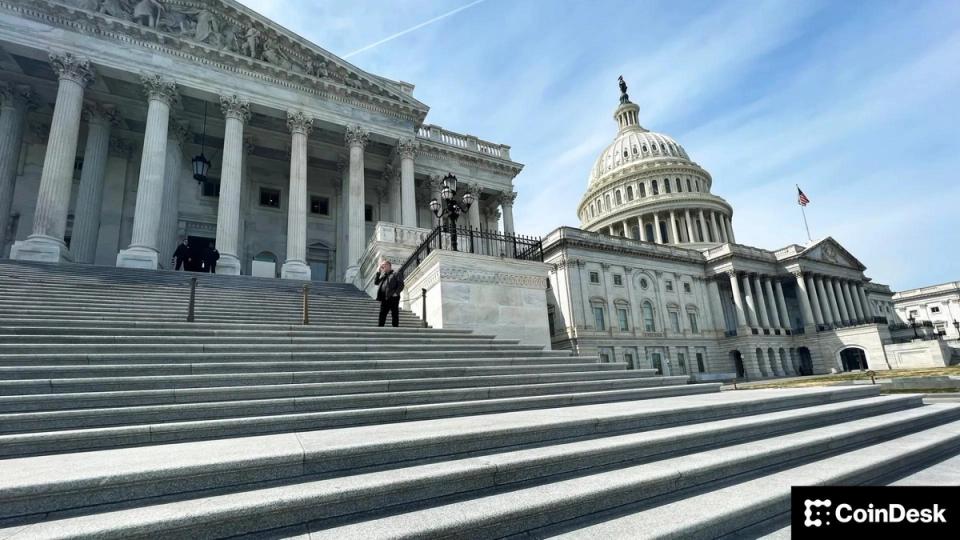

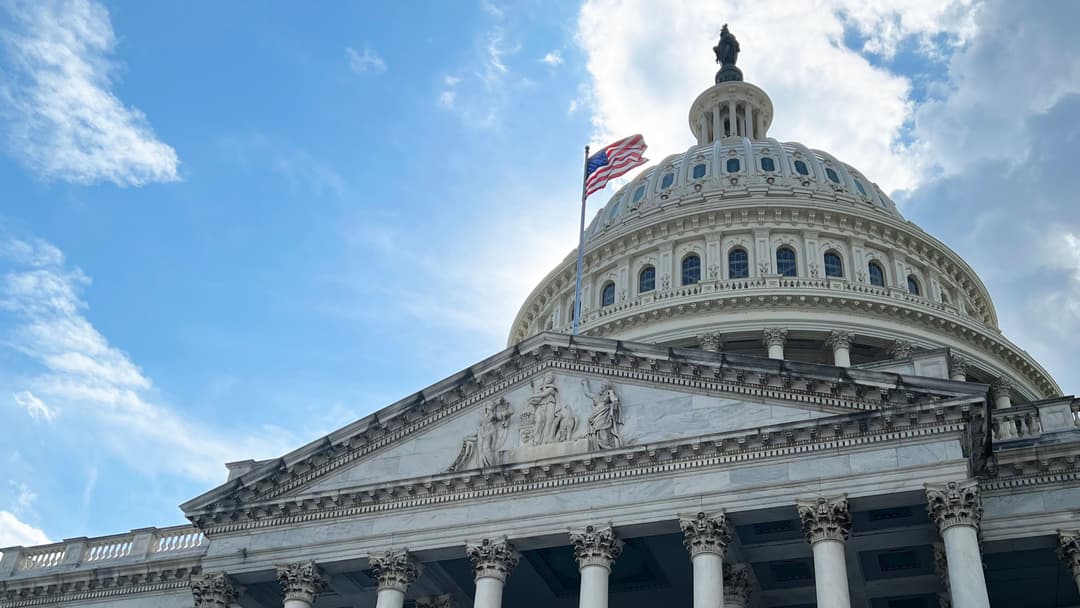
The U.S. House Ways and Means Committee held a Tuesday hearing to examine seven draft crypto tax bills aimed at reducing filing burdens for digital asset users, clarifying staking and mining treatment, and exempting de minimis transactions from reporting. Chairman Jason Smith framed the package as a bipartisan effort to deliver parity between digital assets and traditional finance, but the session surfaced enough friction — particularly from committee Democrats — that a markup path before the close of the 2026 congressional session looks crowded.
Why it matters
Ranking Democrat Richard Neal offered only conditional alignment: "I'm aligned with that goal — eventually. There's healthy skepticism on both sides." The sharpest objection came over a provision that would let miners and stakers elect to defer income tax on newly minted coins until disposition. NYU Law's Mike Kaercher, testifying for the Tax Law Center, warned the structure could be gamed by taxpayers seeking to "permanently escape tax by earning rewards through certain business structures" and argued it "violates parity with traditional finance and the principle that income is taxed on receipt." Smith's stated rationale — letting Americans "pay with a stablecoin instead of a credit card or cash" without a pile of tax paperwork — has industry support but not yet bipartisan buy-in.
Market impact
Crypto tax reform ranks second only to the Senate's slower-moving Digital Asset Market Clarity Act on the industry's Washington priority list. Coinbase VP of tax Lawrence Zlatkin told the committee that "millions of Americans own or use digital assets, yet much of the tax code still treats this technology as though it were a niche experiment." A second-order pressure point is the IRS itself, which has absorbed staffing cuts under the Trump administration while onboarding a rapidly rising volume of crypto filings — meaning any new de minimis exemption or staking clarification would land on a resource-constrained agency. Senator Cynthia Lummis has pushed parallel legislation in the Senate without progress, so even a successful House package would still need a Senate vehicle before year-end to become law.
Frequently asked questions
-
What did the House Ways and Means Committee actually do this week?
The committee held a Tuesday hearing to examine seven draft crypto tax bills addressing filing burdens, staking and mining treatment, and a de minimis exemption for small transactions. The session was a preliminary discussion, not a markup.
-
Why are Democrats pushing back on the crypto mining tax deferral?
NYU Law's Mike Kaercher testified that letting miners and stakers defer tax on newly minted coins until disposition could let taxpayers "permanently escape tax" through certain business structures and violates parity with traditional finance.
-
What is the de minimis transaction exemption in the crypto tax bills?
One of the seven bills would exempt small digital asset transactions with minimal gains from tax reporting. Chairman Jason Smith argued this would let Americans pay with stablecoins "without a pile of tax paperwork."
-
Could these crypto tax bills pass before the end of 2026?
It is unclear. The congressional session is already crowded, including remaining work on the Senate's Digital Asset Market Clarity Act, and parallel legislation from Senator Cynthia Lummis has not advanced in the upper chamber.
-
How does this connect to IRS capacity and crypto filings?
Coinbase and other witnesses noted the IRS has absorbed staffing cuts under the Trump administration while processing a rapidly rising volume of crypto filings, meaning any new exemption or staking clarification would land on a resource-constrained agency.
 TheBlock
 WatcherGuru
 WuBlockchain
 CryptoSlate