








 CoinDesk
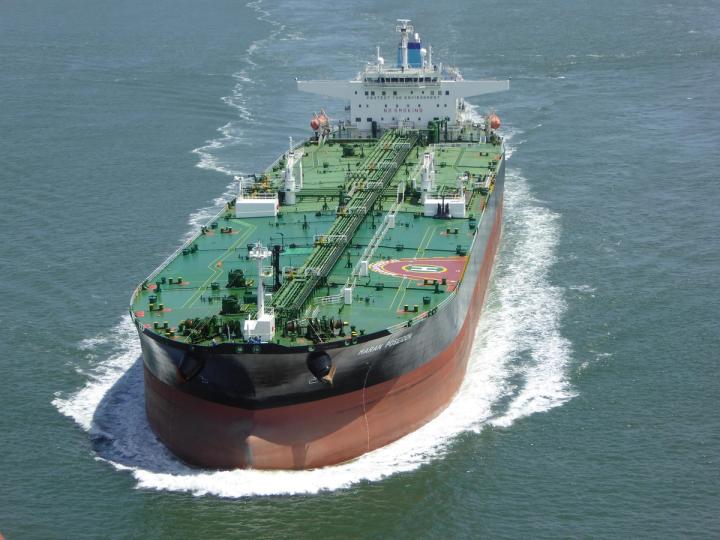


President Donald Trump said over the weekend the U.S. and Iran had reached a peace deal to be signed on June 19, sending crude oil down 5% to roughly $80 a barrel and pulling the 2026 high-to-date drawdown to about 33% from $120 in early March. The agreement includes lifting the U.S. naval blockade and reopening the Strait of Hormuz, the chokepoint that drove the spring energy spike. Equity markets advanced worldwide, with the Invesco QQQ Trust adding 2% in pre-market trading; the lone regional decliner was Tel Aviv.
Why it matters
The oil move is the macro shock the Fed will be weighing when Chair Kevin Warsh presides over his first FOMC meeting on June 17. With crude back in the $80 handle, investors have effectively removed rate-hike pricing for the rest of 2026 — the next 25 basis-point increase is now being pushed to January 2027. Markets are pricing a 97% probability the FOMC leaves the federal funds rate unchanged at 3.50%-3.75% this week, and the path-of-least-resistance read is that the disinflation impulse from cheaper energy gives the new chair cover to stay patient.
Market impact
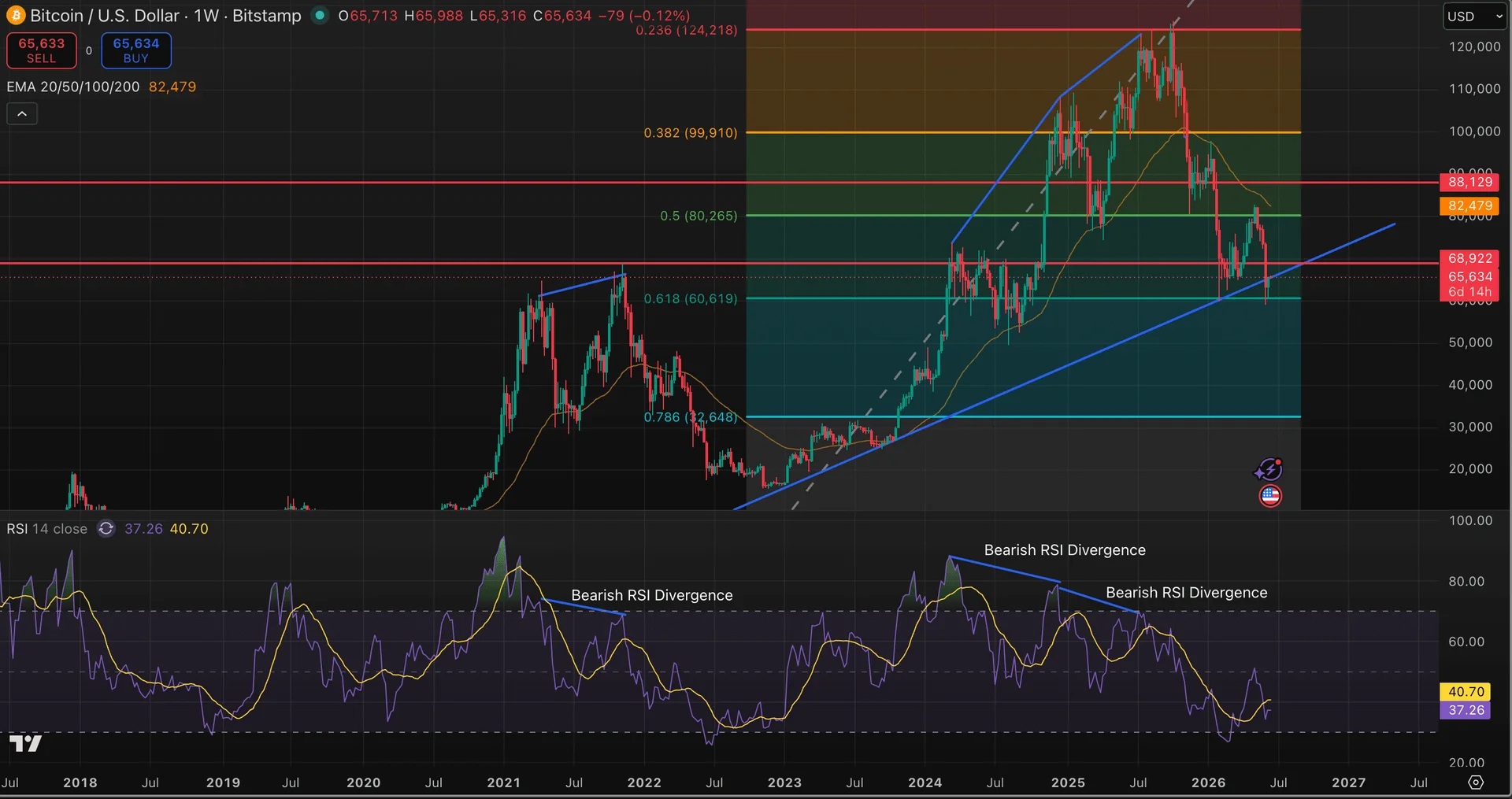
Bitcoin held the bid into the macro tailwind, bouncing from $60,000 support — the 0.618 Fibonacci retracement — to trade near $65,600, with a weekly close above $66,000 needed to confirm a tentative reclaim. The RSI sits weak at 37, and $60,000 remains exposed on a failure; a break opens $68,900, then the $80,000-$82,500 zone. The ceasefire runs for another 60 days while final-deal talks proceed, and the pattern of ceasefires, breakdowns and renewals over recent months means the risk premium in oil — and by extension in rate expectations — can snap back fast if the talks fracture. Worth noting: combined exchange volumes fell 3.45% in May to $4.41 trillion, the lowest since September 2024, even as RWA perpetual futures hit a fresh all-time high on 10.4% growth — risk appetite is back, but the venue mix is shifting.


Frequently asked questions
-
What did the US-Iran peace deal include?
President Trump said the U.S. and Iran will sign a deal on June 19 that lifts the U.S. naval blockade and reopens the Strait of Hormuz. A 60-day extended ceasefire is in place while final-deal talks proceed.
-
How did oil and equities react to the announcement?
Crude fell 5% to roughly $80 a barrel, extending the drawdown to about 33% from the early-March high of $120. Global equity indexes advanced, with the Invesco QQQ Trust adding 2% in pre-market trading; Tel Aviv was the only regional decliner.
-
What are markets pricing for the June 17 FOMC meeting?
Markets price a 97% probability the Fed leaves the federal funds rate unchanged at 3.50%-3.75%. With the oil move, investors have also pulled rate-hike pricing out of the rest of 2026 — the next 25bp increase is now pushed to January 2027.
-
Where does Bitcoin stand technically after the rally?
Bitcoin rebounded from the $60,000 0.618 Fibonacci support to about $65,600. The RSI is weak at 37; a weekly close above $66,000 would signal a tentative reclaim, while failure to reach it leaves $60,000 exposed. A confirmed break opens $68,900 and then $80,000-$82,500.
-
What risks could reverse the macro relief trade?
The pattern of ceasefires, breakdowns and renewed talks over recent months means a lasting resolution is not guaranteed. A breakdown in negotiations could snap oil — and rate-hike expectations — back higher, unwinding the relief bid in equities and crypto.
 WatcherGuru
 CoinTelegraph
 Crypto News
 TheBlock
 WuBlockchain