








 CoinDesk
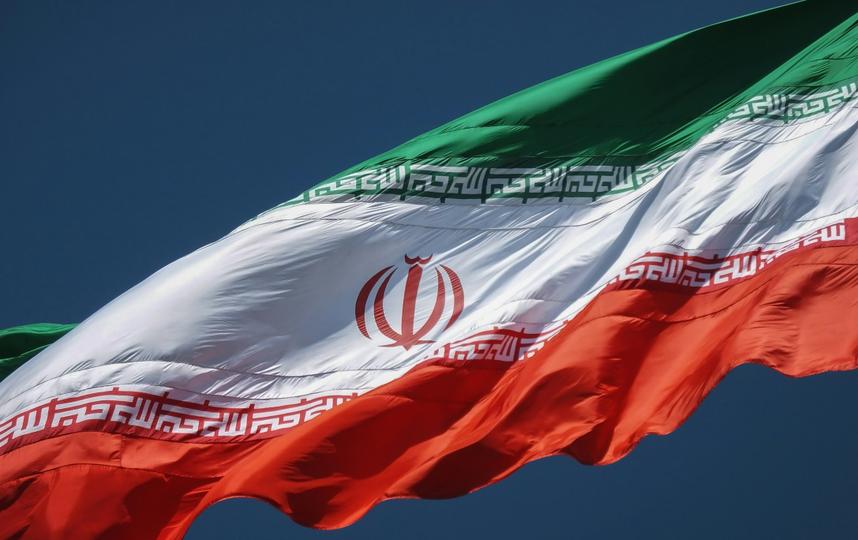


The US Treasury Department's Office of Foreign Assets Control blacklisted four Iranian crypto exchanges on Tuesday — Nobitex, Wallex, Bitpin and Ramzinex — along with several executives tied to the platforms, adding them to the global Specially Designated Nationals list. The designation bars any US entities, US-dollar-clearing counterparties or persons under US jurisdiction from providing financial services to the named venues, effectively cutting them off from the dollar-based financial system.
OFAC linked the action to Nobitex's alleged role in sanctions evasion, IRGC-linked transactions including ransomware payments, and moving assets out of Iran after the US began bombing the country earlier this year. The move comes days after Treasury Secretary Scott Bessent disclosed that the department had seized roughly $1 billion in crypto from Iranian exchanges and wallets since the start of the war.
Why it matters
Iran has been one of the most active adopters of crypto as a sanctions-evasion rail, and the Treasury action treats that infrastructure as a primary enforcement target rather than a workaround to be tolerated. By naming the country's largest venue — Nobitex processes a meaningful share of Iran's domestic crypto rial liquidity — OFAC is signalling that any platform handling IRGC-linked flows is exposed, regardless of jurisdictional shielding. The accompanying warning that "toll" payments to Iran for Strait of Hormuz passage made in stablecoins or other digital assets also carry sanctions risk extends that posture to maritime and energy-trade counterparties.
Market impact
For compliant exchanges and OTC desks, the immediate read is enhanced-transaction-screening work on Iranian-linked wallet clusters and any counterparties that ever touched the four named venues. Bitcoin traded through the announcement without a structural move, suggesting the market had largely priced the action after Bessent's earlier $1B seizure disclosure, though Iranian rial on-ramps and any stablecoin pair still liquid on regional DEXs will see deeper liquidity withdrawal.

Frequently asked questions
-
What did OFAC actually do to Iranian crypto exchanges on Tuesday?
OFAC added four Iranian crypto exchanges — Nobitex, Wallex, Bitpin and Ramzinex — plus several executives to the global Specially Designated Nationals list, barring US entities and US-dollar-clearing counterparties from providing financial services to them.
-
Why is Nobitex the most consequential name on the list?
Nobitex is Iran's largest crypto exchange and processes a meaningful share of domestic crypto-rial liquidity, so cutting it off from the dollar system is the structural hit — the other three venues are narrower in reach.
-
How does this connect to the reported $1 billion in seized Iranian crypto?
Treasury Secretary Scott Bessent disclosed days earlier that the department had seized roughly $1 billion in crypto from Iranian exchanges and wallets since the start of the war. The Nobitex designation is the legal-sanctions counterpart to those seizures, not a separate track.
-
Does the action affect Bitcoin or other major tokens directly?
No direct price impact — Bitcoin traded through the announcement without a structural move because the action was largely priced after Bessent's earlier seizure disclosure. The read-across risk is for platforms and counterparties with exposure to Iranian-linked flows, not for spot BTC.
-
What is the Strait of Hormuz "toll" warning about?
Treasury warned that any payment to Iran for passage through the Strait of Hormuz — including stablecoin, fiat, offsets, informal swaps or in-kind transfers — carries sanctions risk. That extends the enforcement posture to maritime and energy-trade counterparties, not just the named exchanges.
 CryptoSlate
 Crypto News
 CoinTelegraph
 WuBlockchain
 TheBlock
 WatcherGuru