









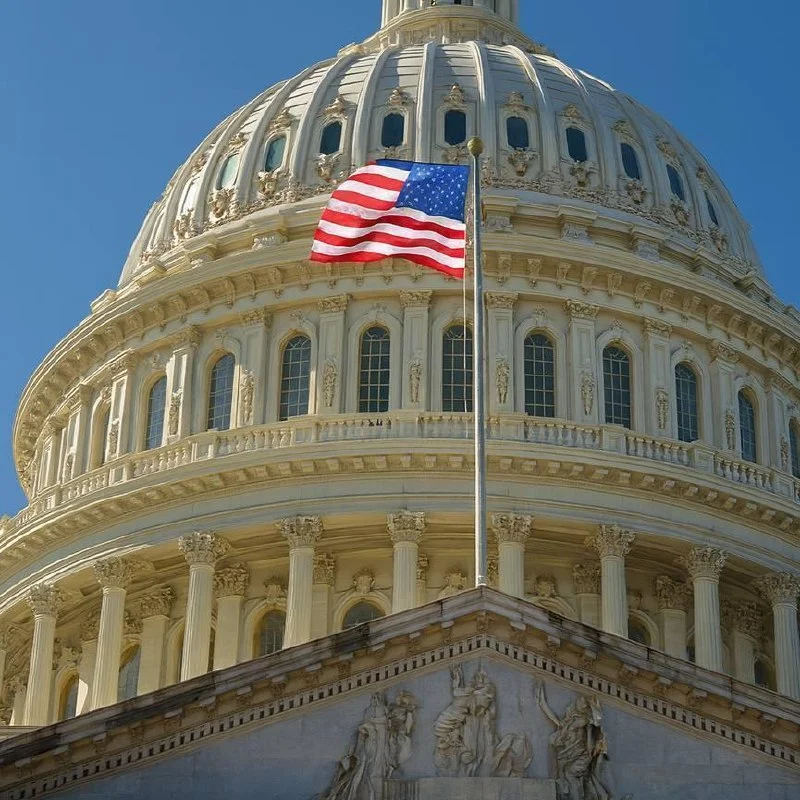
Patrick Witt, crypto advisor to the White House, offered a blunt endorsement of the Clarity Act on Monday, calling it "the most pro-law enforcement crypto bill ever considered by Congress" — and punctuating the claim with a flat "Fact."
Why it matters
The Clarity Act is one of the most consequential pieces of crypto legislation currently moving through Congress, aimed at drawing a cleaner jurisdictional line between the SEC and CFTC over digital assets. Witt's framing is a deliberate counter-narrative to critics who argue that crypto-friendly legislation weakens financial crime controls. By positioning the bill as a law enforcement asset rather than a deregulatory gift to the industry, the White House is attempting to neutralise one of the most durable objections on Capitol Hill.
Market impact
Regulatory clarity on the SEC-CFTC boundary has been a persistent overhang for institutional crypto allocation. A bill that advances with White House backing and a law-enforcement framing has a meaningfully higher floor of bipartisan support than one framed purely as industry relief. Traders and institutional desks watching the legislative calendar should note that an explicit White House endorsement — especially one this direct — typically accelerates committee momentum and raises the probability of a floor vote.
Frequently asked questions
-
What are the key provisions of the Clarity Act regarding SEC and CFTC jurisdiction?
The Clarity Act aims to establish a clearer jurisdictional boundary between the SEC and CFTC over digital assets, which is crucial for regulatory clarity in the crypto market.
-
How does the White House's endorsement of the Clarity Act affect its chances of passing?
The White House's direct endorsement is expected to enhance bipartisan support and accelerate committee momentum, increasing the likelihood of a floor vote.

 Crypto News
 CryptoSlate
 TheBlock
 WatcherGuru
 CoinDesk