








 CoinDesk



More than 40 crypto firms — including Coinbase, Kraken, Binance.US and MEXC, plus custodians Anchorage Digital, BitGo and Copper and market makers GSR, FalconX and Auros — launched the Transparency Alliance on Wednesday to standardize how token projects disclose insider allocations, market maker deals, exchange listing terms and buyback programs. The alliance will use Blockworks' Token Transparency Framework, which has already produced filings for 44 protocols including Morpho, Jupiter, Spark and dYdX since launching in June 2025.
The framework offers two filing tracks: a one-time disclosure modeled loosely on an S-1 stock registration for new token launches, and a continuously updated filing for mature protocols. Both cover entity structure, insider allocations, market maker agreements, exchange listing terms and buyback programs. Use is free for issuers and platforms, with Blockworks monetizing data, research and software built on top of the standard.
Why it matters
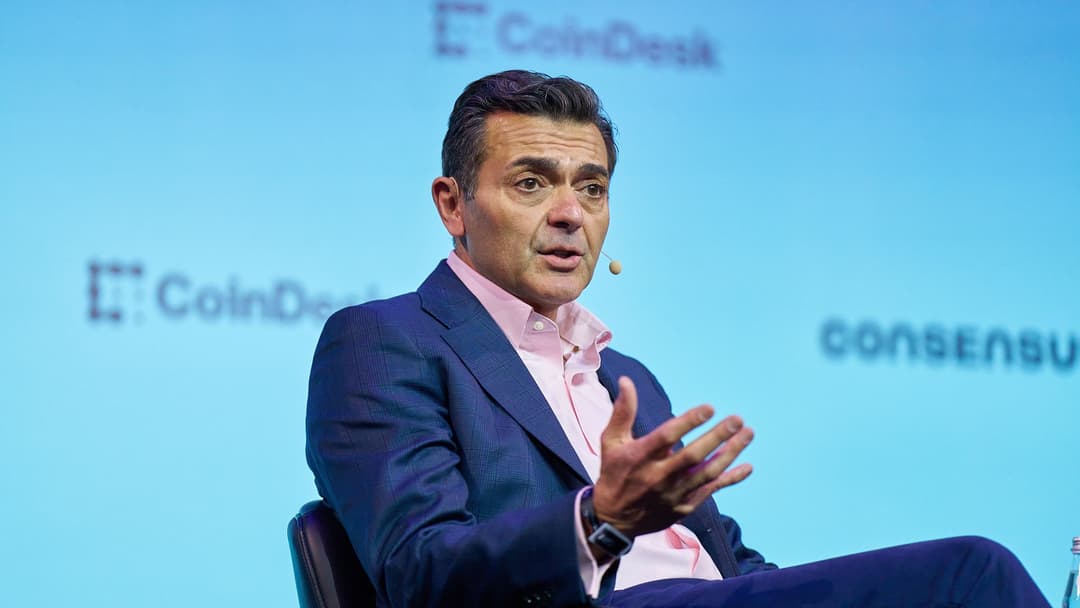
"When investors buy a stock, they understand what they own. When they buy a token, they do not," Blockworks co-founder Jason Yanowitz told CoinDesk. The framing matters because institutional allocators have repeatedly cited disclosure gaps as the reason crypto allocations sit below where the asset class's liquidity profile would otherwise support. Blockworks has briefed staff at the SEC and CFTC on the framework, and Yanowitz said regulators have signaled appetite for "better classification, better disclosure, and more market integrity in crypto."
Market impact
The alliance's near-term read is legitimizing — rival exchanges, custodians and market makers agreeing on a shared disclosure standard is the kind of plumbing institutions want to see before sizing up. The harder test is adoption: 44 protocols have filed since June 2025, but that is a fraction of the tokens actively trading.

Frequently asked questions
-
What is the Transparency Alliance?
An industry coalition of 40+ crypto firms — including Coinbase, Kraken, Binance.US, MEXC, Anchorage Digital, BitGo, Copper, GSR, FalconX and Auros — formed on Wednesday to standardize token disclosures through Blockworks' Token Transparency Framework.
-
What does the Token Transparency Framework require issuers to disclose?
Filings cover entity structure, insider token allocations, market maker agreements, exchange listing terms and buyback programs. There is a one-time S-1-style disclosure for new launches and a continuously updated filing for mature protocols.
-
How many crypto projects have already filed under the framework?
44 protocols have completed Token Transparency Framework filings since the standard launched in June 2025, including Morpho, Jupiter, Spark and dYdX.
-
Have US regulators engaged with the framework?
Yes. Blockworks has discussed the framework with staff at both the Securities and Exchange Commission and the Commodity Futures Trading Commission, and co-founder Jason Yanowitz said regulators have signaled appetite for better classification, disclosure and market integrity in crypto.
-
Does the framework judge whether a token is a good investment?
No. Yanowitz has been explicit that the alliance standardizes disclosure data, not investment quality. The stated goal is to give investors the information to decide for themselves, not to filter which tokens trade.
 CryptoSlate
 WatcherGuru
 CoinTelegraph
 Crypto News
 WuBlockchain