








 CoinDesk
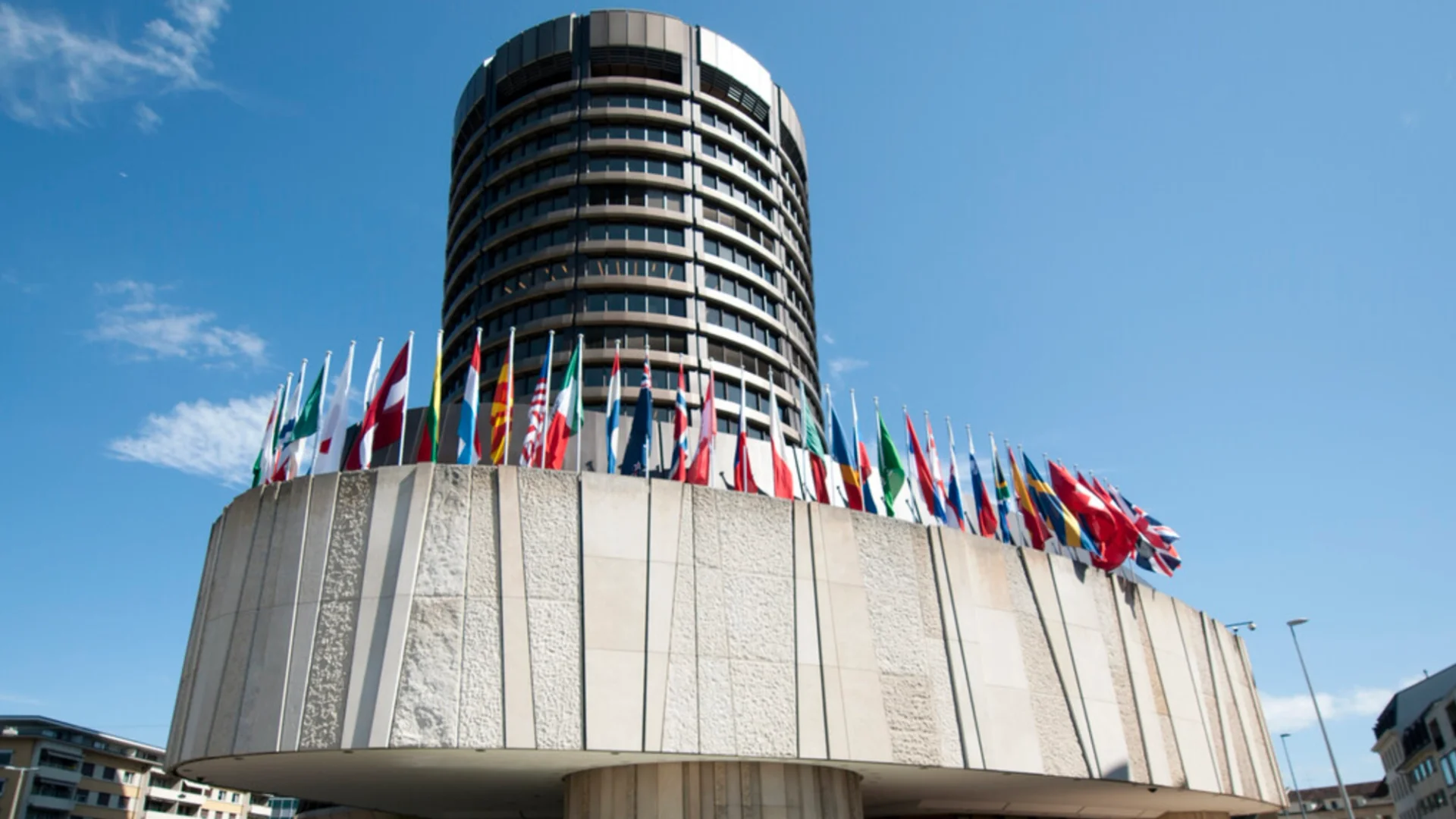


The Bank for International Settlements' chief Pablo Hernandez warned on Thursday that the AI capex boom could trigger a financial-stability shock if returns fall short of investor expectations. The five largest tech companies plan to invest more than $1 trillion in AI projects across 2025 and 2026, with global AI investment projected to climb from roughly $500 billion today to $3 trillion to $4 trillion by 2030.
Hernandez said the capex is increasingly funded by debt and private credit, with financing arrangements between chipmakers, hyperscalers and AI firms that are opaque and difficult to value. He drew parallels to canal mania in the 1830s, the British railway mania of the 1840s, the electrification boom of the 1920s and the dotcom surge of the late 1990s. "In each of these cases, the eventual correction that followed had economy-wide implications," he said.
Why it matters
The warning lands at a moment when AI capex is treated as a near-sure bet. Citrini Research published a bearish 2028 scenario in February that briefly unsettled technology stocks. Hernandez is not calling the AI boom a bubble outright, but his framing shifts the conversation from growth potential to balance-sheet risk.
AI's promise is real, he added, pointing to early productivity gains in coding, consulting and professional writing. The eventual economic effect, however, depends on how widely the benefits spread and whether policymakers invest in skills, infrastructure and competition. AI does not change the mandate of central banks, but it could make the global economy harder to interpret and monitor.
Market impact
A reversal in concentrated AI stocks would hit household wealth directly, given the equity exposure held by retirement savers and broad-market funds. U.S. stocks account for a large share of global equity benchmarks, so a correction would transmit overseas through index reweighting and confidence channels.
Hernandez also flagged that windfall gains from AI exports could feed domestic asset bubbles in exporting jurisdictions, compounding the macro risk. Watch the financing structures of the next leg of hyperscaler capex.
Frequently asked questions
-
What did the BIS chief say about AI investment?
Pablo Hernandez warned that the AI capex boom, increasingly financed by opaque debt and private credit, could trigger a financial-stability shock if investor returns fall short. He drew parallels to canal mania, railway mania, electrification and the dotcom bust.
-
How much are the biggest tech companies spending on AI?
The five largest tech companies plan to invest more than $1 trillion in AI projects across 2025 and 2026. Global AI investment is projected to climb from roughly $500 billion today to between $3 trillion and $4 trillion by 2030.
-
Why is AI financing considered risky?
Capex at the largest AI companies is outpacing their cash flows and being funded through debt and private credit, with financing arrangements between chipmakers, hyperscalers and AI firms that the BIS chief described as opaque and difficult to value.
-
Could an AI correction spread beyond U.S. markets?
Yes. Hernandez said a reversal in highly concentrated AI stocks could affect household spending, and because U.S. equities carry a large weight in global benchmarks, the correction would transmit overseas through index reweighting and confidence channels.
-
Did the BIS chief call AI a bubble?
No. Hernandez stopped short of declaring the AI boom a bubble, but said the scale, speed and expected commercial returns of the current investment boom warrant caution, pointing to the economy-wide corrections that followed past technology-led manias.
 CoinTelegraph
 WatcherGuru
 CryptoSlate
 TheBlock