








 CoinDesk
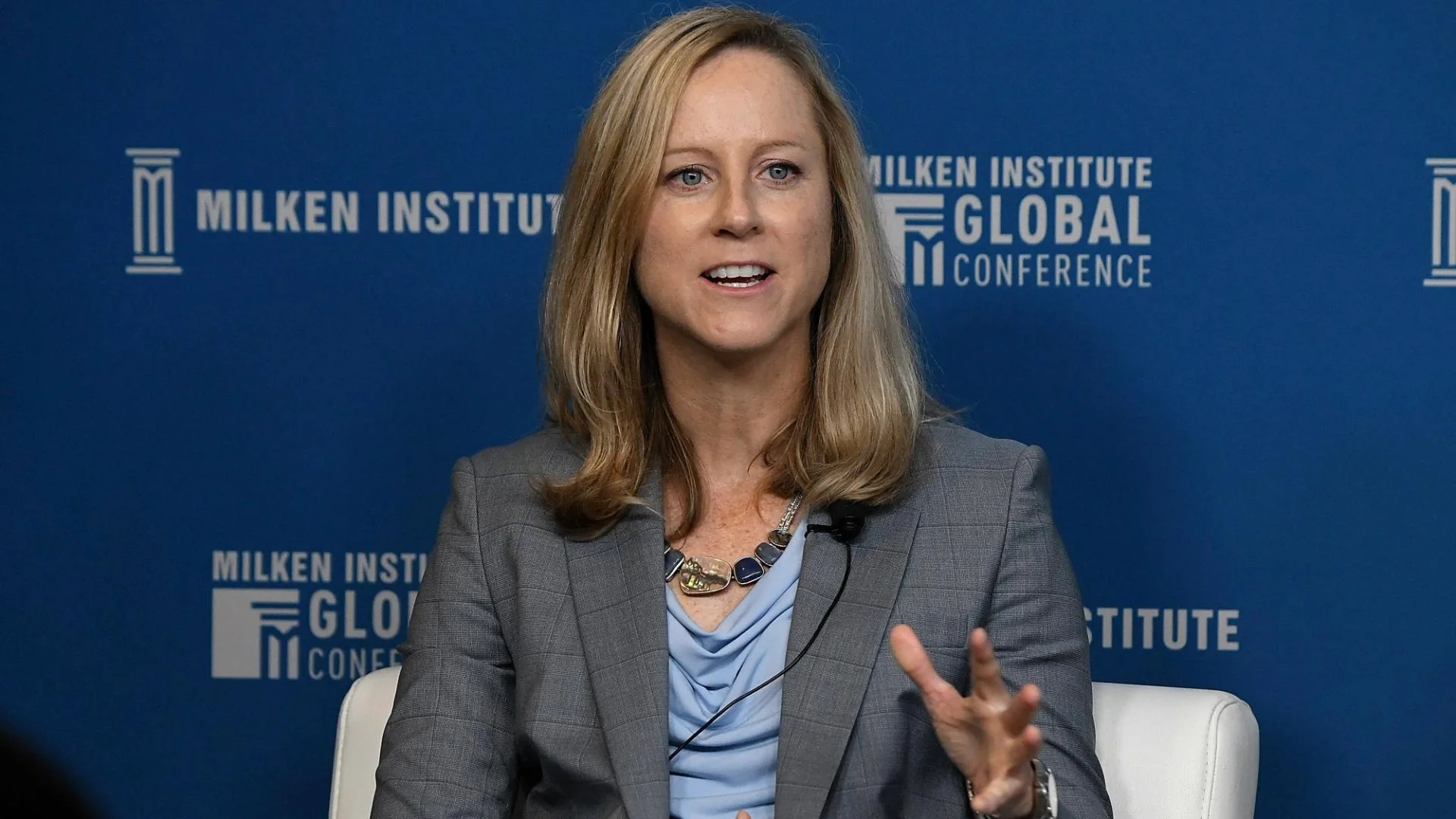


Thirty-nine U.S. state banking associations have signed onto a new 'BankChain Alliance,' a nationwide blockchain network targeting a 2027 launch to host smart payments, tokenized deposits and stablecoins inside the banking system's own regulatory perimeter. The confederation, calling the project 'industry-owned, industry-designed and industry-governed,' is still searching for a technology partner to build the underlying infrastructure. Kathy Kraninger, head of the Florida Bankers Association and a former Consumer Financial Protection Bureau director, is serving as interim chair.
Why it matters
The launch lands a year into a sharp policy fight in Washington between traditional banks and the crypto industry over how stablecoins should be regulated and who should be allowed to issue them. Banking groups have already escalated that fight ahead of the Senate's GENIUS Act vote, pushing to limit stablecoin yield and tighten the rules on issuers. Building a parallel, permissioned chain for the same use cases is a structural answer: rather than fight crypto on regulation alone, the banks are now positioning to compete on rails.
Market impact
The alliance is still pre-technology partner, but the scale of the coalition and the framing of the project already signal where bank-grade tokenization is heading. Swift's separate move last month, putting 17 banks including Citi, BNY and Wells Fargo on a tokenized-asset ledger for live transaction testing, shows the broader banking sector converging on the same playbook from multiple angles. For stablecoin issuers and tokenized-deposit startups operating in bank-adjacent rails, the BankChain approach raises the prospect of a regulated alternative that pulls institutional volume inside the perimeter banks already control.
Frequently asked questions
-
What is the BankChain Alliance?
A consortium of 39 U.S. state banking associations planning a nationwide blockchain network targeted for a 2027 launch, focused on stablecoins, smart payments and tokenized deposits inside the banking system's regulatory perimeter.
-
Who is leading the BankChain Alliance?
Kathy Kraninger, head of the Florida Bankers Association and former director of the Consumer Financial Protection Bureau, is serving as interim chair of the project.
-
How does BankChain differ from existing public crypto networks?
The alliance describes the project as 'industry-owned, industry-designed and industry-governed,' positioning it as a permissioned alternative run by and for regulated banks rather than an open blockchain.
-
Why are banks launching their own blockchain now?
The move lands a year into a sharp Washington policy fight between banks and crypto over stablecoin regulation, particularly around the GENIUS Act. Building a parallel chain is a structural answer: compete on rails, not just on rules.
-
How does BankChain fit with other bank-led blockchain efforts?
Last month, Swift put 17 banks including Citi, BNY and Wells Fargo on a tokenized-asset ledger for live transaction testing, showing the broader banking sector converging on the same playbook from multiple angles.
 Crypto Capital Venture
 CoinTelegraph
 CryptoSlate
 WatcherGuru
 TheBlock
 WuBlockchain
 Lookonchain