


 CoinDesk
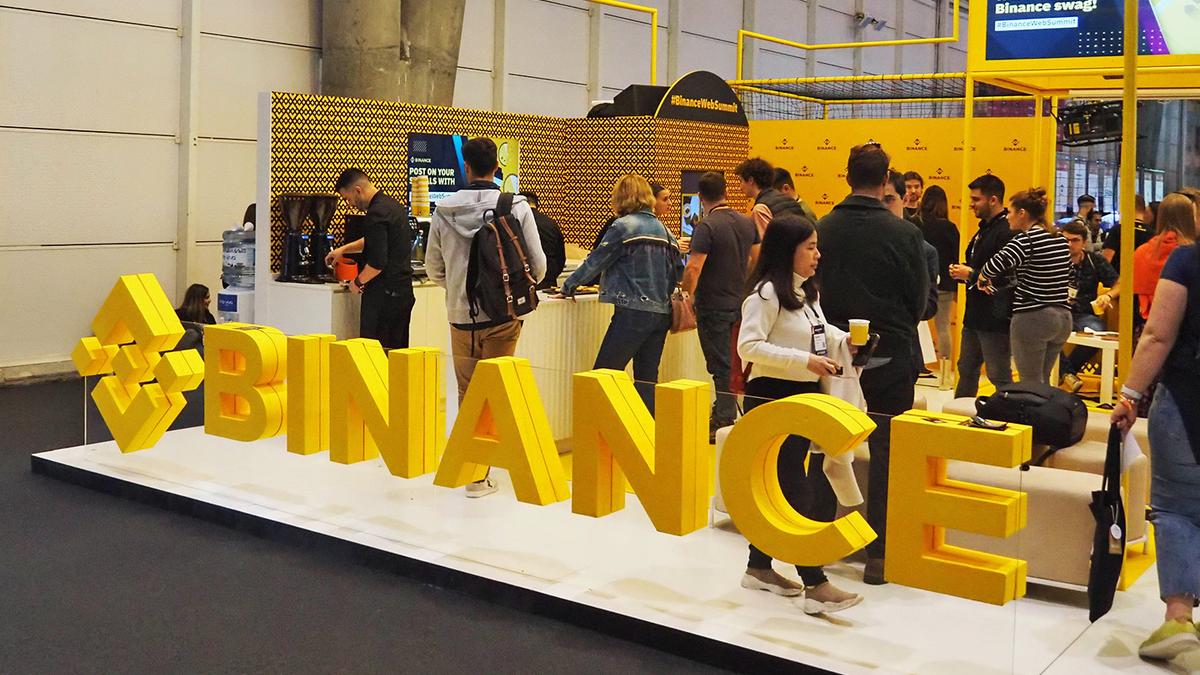


After a $6.3 billion Binance theft linked by blockchain investigators to North Korean hackers, Tether, Circle and other crypto firms moved within hours to freeze roughly $3 billion in stolen assets. Binance said it had frozen that amount and set aside more than $6.34 billion of its own reserves to cover customer losses. But blocking funds is not the same as returning them, and experts questioned whether smaller victims would receive the same response.
Why it matters
Tether froze more than $1.56 billion in USDT, while Circle blocked about $823 million in USDC. Both stablecoins have issuer-controlled functions that allow transfers to be blocked. Bitcoin has no central issuer and cannot be frozen at the network level. The attacker split about $1.4 billion in bitcoin among 19 wallets, though exchanges and other service providers could block coins if they reach their platforms.
The intervention also raised questions about consistent standards. Circle has said it freezes USDC when directed by law enforcement or a court, and Tether previously took a similar position on Tornado Cash addresses. Critics compared the rapid Binance response with Circle’s handling of the roughly $290 million Drift hack in April, when it faced criticism for not freezing stolen USDC. Issuers also face liability and operational risks if they freeze assets incorrectly.
Market impact
A freeze can stop funds from moving, but does not establish ownership or automatically return assets. Recovery may require proving who owns the funds and establishing a legal basis; court orders and proceedings across multiple jurisdictions may be involved. Tether can invalidate frozen USDT and issue replacements, while Circle can arrange for equivalent USDC value to be returned through an authorized process.
The case puts pressure on issuers to clarify when they intervene and how frozen assets are returned. Experts said clearer legal standards and protections for good-faith freezes could help make assistance more consistent for smaller victims.



Frequently asked questions
-
How much did Tether and Circle freeze after the Binance hack?
Tether froze more than $1.56 billion in USDT, while Circle blocked about $823 million in USDC.
-
Why can issuers freeze USDT and USDC but not bitcoin at the network level?
USDT and USDC have issuer-controlled functions that allow transfers to be blocked. Bitcoin has no central issuer with comparable control.
-
Does freezing stolen crypto automatically return it to Binance?
No. A freeze stops funds from moving but does not establish ownership or automatically return the assets. Recovery requires establishing ownership and a legal basis for repayment.
-
What role could a court play in recovering the frozen funds?
Court permission may be needed to seize frozen assets, and recovery can involve proceedings in multiple jurisdictions, particularly if funds reach other exchanges or custodians.
-
Why are experts questioning whether smaller hack victims get equal treatment?
The rapid Binance response was compared with earlier cases, including the roughly $290 million Drift hack, when Circle faced criticism for not freezing stolen USDC.
 CryptoSlate
 WatcherGuru
 WuBlockchain
 Glassnode
 TheBlock