








 CoinDesk
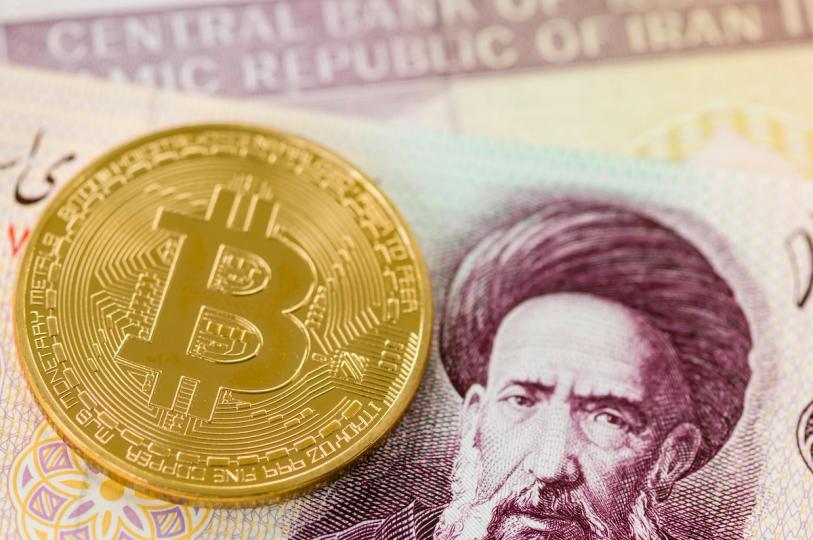


Bitcoin held above $62,000 on Thursday while the assets traditionally used to absorb a war premium moved in opposite directions. Brent crude climbed 1% to $78.80 a barrel for a third straight session of gains after the U.S. military completed another round of strikes against Iran and both sides raised the prospect of closing the Strait of Hormuz. Gold, by contrast, extended its slide to a fourth day at around $4,060 an ounce, while two-year Treasury yields pushed toward their 2026 high in a continuation of Wednesday's global bond selloff.
The pattern in crypto is what stands out. Bitcoin traded at $62,009, down 1.2% over 24 hours but up 1.6% on the week. Ether sat at $1,730, also off 1.2% on the day and up 5.7% over seven sessions. Solana was the laggard at $77.25, shedding 1.8% on the day and 1.7% on the week. The Fear and Greed index has climbed to 27, pulling out of the extreme fear zone it occupied for 40 straight days.
Why it matters
Markets are increasingly treating Middle East shocks as interest-rate events, with bitcoin now tracking front-end Treasury yields more closely than traditional hedges like crude or gold. Money markets on Wednesday moved their bet on the next Fed increase to October from December, and higher rates dragged gold lower since a non-yielding metal loses appeal when cash pays more. The same logic should be crushing bitcoin, but isn't.
An oil shock, a bond selloff and a hawkish Fed repricing produced a 1.2% daily move in an asset that used to shed 5% on a single Hormuz headline. The pattern has held across every leg of this conflict since February, with each successive escalation extracting a smaller reaction than the one before it.
Market impact
Traders see $60,000 as the level that decides the next leg. If bitcoin absorbs another escalation without breaking $60,000 while gold keeps sliding, the rotation out of the traditional hedge is real and bitcoin is being repriced as a rates asset rather than a risk one. A sharper slide through $60,000 on the same news would suggest the shrinking reactions were a function of a quiet tape, not a structural change in how the market reads this war.



Frequently asked questions
-
Why is bitcoin holding steady while oil climbs and gold slides?
Markets are treating Middle East escalation as an interest-rate event rather than a risk-off event. Higher rate expectations drag gold lower, while bitcoin is increasingly tracking front-end Treasury yields. The same hawkish repricing that is crushing gold is leaving BTC largely unmoved.
-
What is the $60,000 level signaling for bitcoin right now?
Traders see $60,000 as the line that decides the next leg. Holding through further escalation while gold keeps sliding would confirm a rotation out of the traditional hedge and into bitcoin as a rates-sensitive asset. A sharp break lower would suggest the recent calm was a function of a quiet tape, not a structural…
-
How did ether and other majors perform against this backdrop?
Ether sat at $1,730, off 1.2% on the day but up 5.7% over seven sessions. Solana lagged at $77.25, shedding 1.8% on the day and 1.7% on the week. XRP slipped 0.7% to $1.09, TRON added 4% over seven days, and HYPE gained 5.9% on the week despite a 1.2% daily dip.
-
Why are gold and Treasury yields moving opposite to bitcoin?
Money markets moved their bet on the next Fed increase to October from December. Higher rates drag gold lower because a non-yielding metal loses appeal when cash pays more. Bitcoin is showing a smaller version of the same pattern rather than the 5% Hormuz-driven drops seen in past cycles.
-
What does the Fear and Greed index say about current sentiment?
The index climbed to 27, pulling out of the extreme fear zone it occupied for 40 straight days. That is an exit from panic rather than a move into conviction, and the gauge has not sustained a print above 50 since November.
 CoinTelegraph
 WatcherGuru
 Crypto News
 WuBlockchain