








 CoinDesk
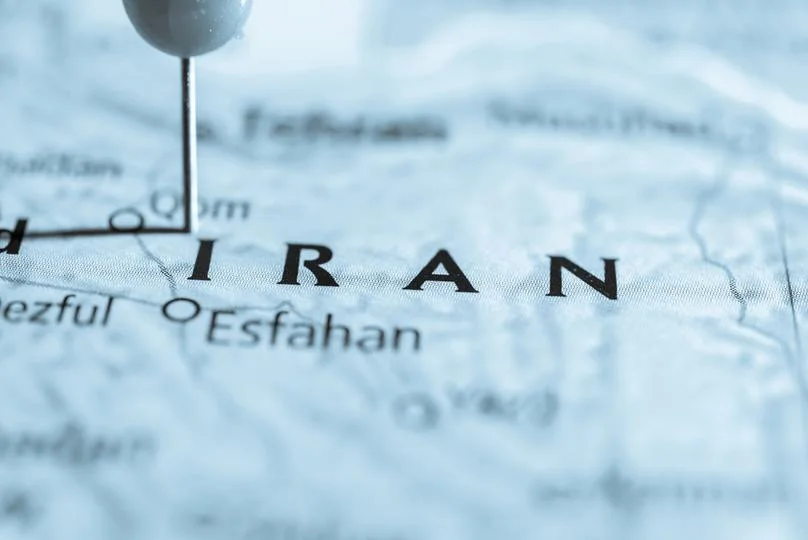


Bitcoin pushed higher after the US and Iran announced an interim agreement to end hostilities and reopen the Strait of Hormuz, with the deal scheduled to be signed in Switzerland on Friday.
Why it matters
A reopened Strait of Hormuz removes the biggest single supply-side tail risk hanging over global oil. WTI crude plunged nearly 5% to just under $81 a barrel — its softest level in roughly two months — while Nasdaq 100 futures added 1.5% and S&P 500 futures climbed 0.9%. BTC is trading like a high-beta macro asset on the relief, front-running the equity reopen rather than waiting for confirmation from spot flows.
Market impact
The cross-asset signature is clean: oil down sharply, equities up sharply, BTC up on the day. For digital assets, the read is that the same liquidity backdrop that bid tech on the relief is being expressed through spot bitcoin before US cash sessions open. Watch whether BTC holds the bid into the New York open — sustained risk-on through equity cash hours is what would convert this from a headline trade into a position.
Background
The Strait of Hormuz carries roughly a fifth of global oil shipments. Its closure risk had been a structural overhang on the entire risk complex; an interim deal that reopens the lane is the kind of single-event relief that tends to compress volatility and rotate capital back into growth and crypto beta.

Frequently asked questions
-
Why is bitcoin rallying on the US-Iran deal?
The deal removes the Strait of Hormuz closure risk, which had been a structural overhang on oil prices and the broader risk complex. WTI crude dropped nearly 5% to ~$81, and BTC is trading as a high-beta macro asset on the relief, front-running the equity bounce.
-
How much did oil fall after the announcement?
WTI crude plunged nearly 5% to just under $81 a barrel, its softest level in about two months. The Strait of Hormuz carries roughly a fifth of global oil shipments, so its reopening is the dominant near-term supply-side variable.
-
What did the US and Iran actually agree to?
The two sides announced an interim agreement to end hostilities and reopen the Strait of Hormuz. The deal is scheduled to be signed in Switzerland on Friday, with the terms of the interim arrangement to be detailed in the signing.
-
How are US stock futures reacting?
Nasdaq 100 futures are up 1.5% and S&P 500 futures are up 0.9% — a clean risk-on relief signature that mirrors the oil sell-off. Equities and BTC are moving in the same direction on the headline.
-
Will the bitcoin rally hold into the close?
That depends on whether the bid survives US cash trading hours. A sustained risk-on move through the New York session would convert the relief trade into a real position; a fade back to pre-deal levels would suggest the move was macro-tourist flow reacting to the headline.
 WatcherGuru
 CoinTelegraph
 WuBlockchain
 CryptoSlate
 Crypto News
 Crypto Capital Venture