








 CoinDesk
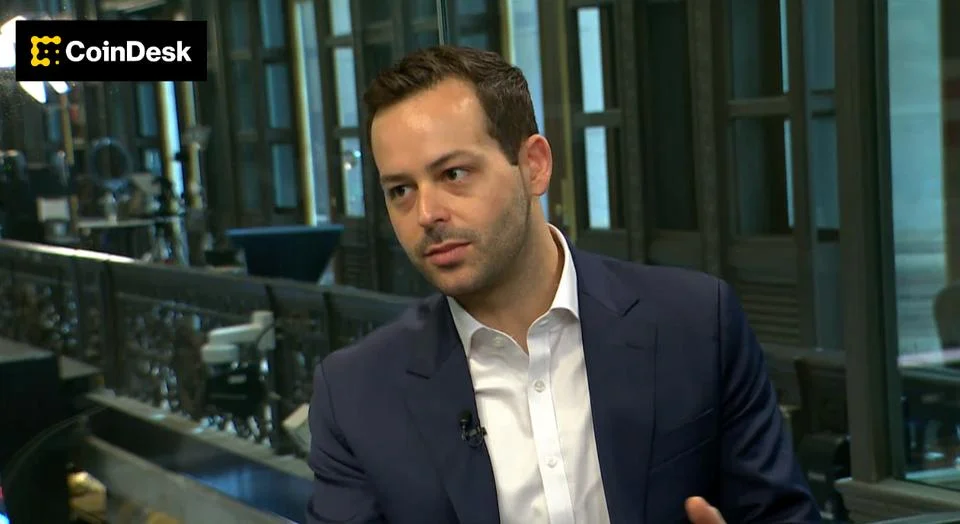


Bitwise is leaning into Hyperliquid as one of crypto's breakout platforms this cycle, with Head of Research Ryan Rasmussen saying investor demand for the firm's HYPE ETF products is surging following the launch of BHYP. Bitwise differentiates by staking HYPE in-house to maximize yield, allocating 10% of management fees toward buying HYPE tokens for its own balance sheet, and publicly sharing wallet addresses tied to ETF reserves so investors can verify holdings on-chain.
Why it matters
Rasmussen argued Hyperliquid could become "one of the systems that most of traditional finance runs on in the future," pointing to growth in perpetual futures, prediction markets, and spot trading as evidence the ecosystem is expanding beyond its initial niche. He cited tokenized equities, stablecoins, and 24/7 trading as structural tailwinds, and referenced the recent Coinbase-Hyperliquid partnership tied to USDC liquidity as another institutional signal. Bitwise also flagged Hyperliquid's tokenomics, noting that 99% of fees generated on the platform are used to buy and burn HYPE tokens — a mechanism Rasmussen compared to traditional stock buybacks.
Market impact
Bitwise's positioning comes as financial advisors shift from basic crypto skepticism to questions about portfolio allocation, tokenization, and stablecoins — a conversation quality Rasmussen described as "so much better" than even two years ago. The bull case rests on a regulatory climate where projects can launch with stronger token incentives without fear of immediate crackdowns, though Rasmussen acknowledged that U.S. oversight of perpetual futures markets and traditional exchanges pushing regulators to scrutinize Hyperliquid remain real headwinds. With institutional adoption still described as early despite growing interest from firms managing trillions in AUM, the read is that Hyperliquid is increasingly being framed as infrastructure rather than just another perps DEX.

Frequently asked questions
-
What is Bitwise's HYPE ETF strategy?
Bitwise stakes HYPE in-house to maximize yield for ETF investors, allocates 10% of management fees to buying HYPE tokens for its own balance sheet, and publicly shares wallet addresses tied to ETF reserves so investors can verify holdings on-chain.
-
Why does Bitwise think Hyperliquid could power future finance?
Bitwise Head of Research Ryan Rasmussen argued Hyperliquid could become "one of the systems that most of traditional finance runs on," citing growth in perpetual futures, prediction markets, spot trading, tokenized equities, stablecoins, and 24/7 trading as structural tailwinds.
-
How does Hyperliquid's tokenomics work?
According to Rasmussen, 99% of fees generated on the Hyperliquid platform are used to buy and burn HYPE tokens — a mechanism he compared to traditional stock buybacks that creates an easier narrative for investors to understand.
-
What regulatory risks does Hyperliquid face?
Rasmussen acknowledged U.S. oversight of perpetual futures markets could pressure Hyperliquid, and noted that traditional exchanges are reportedly pushing regulators to examine decentralized competitors more closely.
-
How is institutional adoption of crypto changing?
Rasmussen said financial advisors have shifted from questioning whether crypto will "go to zero" to asking about portfolio allocation, tokenization, and stablecoins, describing the quality of conversations as "so much better" than even two years ago.
 Crypto News
 Lookonchain
 CoinTelegraph
 WuBlockchain
 TheBlock