








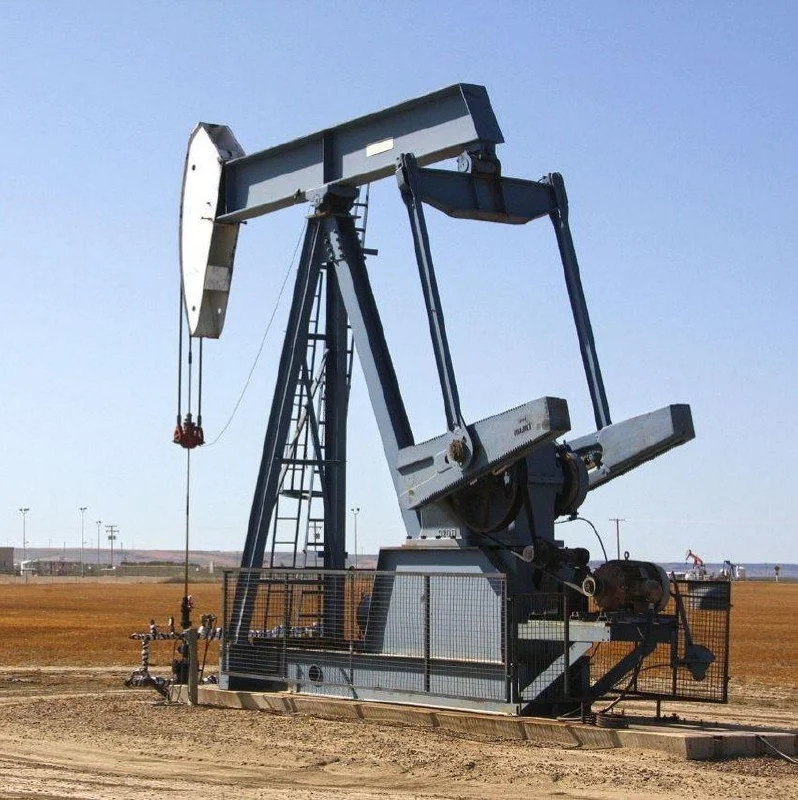
Brent crude pushed above $90 a barrel on Friday after a fresh round of US-Iran strikes threatened shipping through the Strait of Hormuz, the narrow chokepoint between Iran and the Arabian Peninsula through which roughly a fifth of global seaborne oil passes.
Why it matters
The strait is not just a Middle East flashpoint; it is the single most important oil transit lane on earth. Even a short-lived disruption forces tankers to reroute around the Cape of Good Hope, adding two weeks and meaningful freight cost to every barrel heading to Asia and Europe. Tanker insurance war-risk premiums have already spiked on the headlines.
Market impact
Brent above $90 pulls gasoline, diesel, and jet fuel higher with it, and re-prices the inflation expectations that bond markets had been easing. Risk-off is the dominant cross-asset signal: equities, crypto, and EMFX typically sell the first session and reassess after the actual flow data lands. Watch EIA crude inventories, Strait of Hormuz transit volumes, and any retaliatory Iranian action on Gulf shipping for the next leg.
Frequently asked questions
-
Why does the Strait of Hormuz matter for oil prices?
Roughly a fifth of all seaborne oil passes through the strait between Iran and the Arabian Peninsula. Any sustained disruption forces tankers to reroute around the Cape of Good Hope, adding weeks of voyage time and significant freight cost per barrel.
-
What does Brent above $90 mean for inflation?
Brent at this level pulls gasoline, diesel, and jet fuel higher, feeding back into the inflation expectations bond markets had been easing. It complicates the path for central banks that had been signaling near-term cuts.
-
How do crypto and equities react to oil shocks like this?
Risk-off dominates the first session: equities, EMFX, and crypto typically sell together as funds de-risk. Crypto, particularly $BTC, often front-runs the equity leg and bounces first once the headline flow stabilizes.
-
What tanker and shipping costs are spiking?
War-risk insurance premiums for tankers transiting the Gulf have jumped on the headlines, and freight rates on alternative routes around the Cape of Good Hope are already bid higher as shippers pre-emptively reroute.
-
What data points matter next for the oil leg?
The EIA crude inventory print, daily Strait of Hormuz transit volumes, and any retaliatory Iranian action on Gulf shipping are the three signals traders watch to confirm whether the $90 level is a spike or a floor.

 WatcherGuru
 WuBlockchain
 CryptoSlate
 Crypto News
 TheBlock