


 CoinDesk
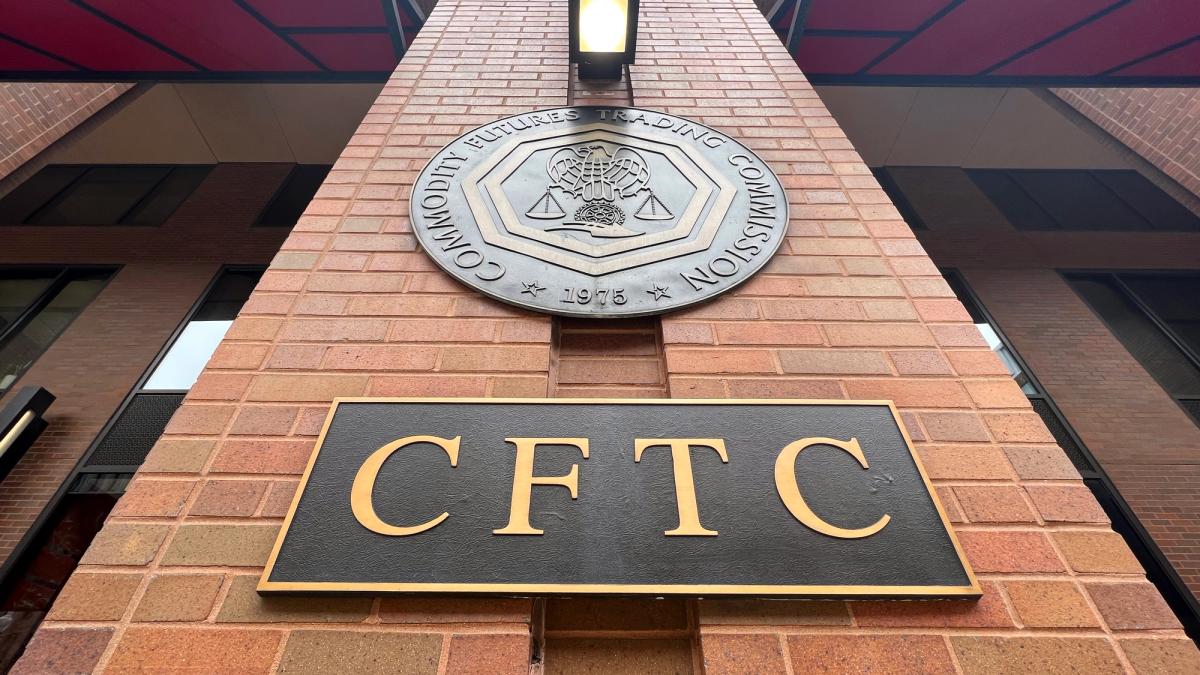


The Capital Markets Alliance sued the CFTC in federal court on Tuesday, seeking to block the regulator’s newly announced policy approving single-stock perpetual futures. The group, which says it includes Cboe, Citadel Securities and Healthy Markets Association, argues the products belong under SEC jurisdiction. The lawsuit was filed the same day the CFTC announced its policy.
Why it matters
The dispute turns on how the contracts are legally classified. The alliance argues stock perps are securities-based swaps, not futures, and says the CFTC violated the Administrative Procedure Act by failing to explain its policy or reconcile it with an earlier agency position. The American Securities Association also criticized the move, arguing it bypasses the SEC and Congress’ restrictions on selling security-based swaps to retail investors.
The CFTC’s policy extends to traditional securities an approach it previously applied to crypto perps. Chairman Mike Selig described the stock policy as building on the earlier opening for perpetual futures tied to digital commodities. That crypto-perps policy came about five months earlier and was also challenged in court, with CME Group arguing that contracts without an end date are swaps rather than futures.
Market impact
The case puts the boundary between CFTC and SEC oversight at the center of the market for perpetual products. The lawsuit seeks to eliminate the stock-perps policy, but the seed does not report a court ruling or a pause in the policy. Any change in the legal classification could affect whether these contracts can be offered in the United States and which regulator oversees them.

Frequently asked questions
-
What does the Capital Markets Alliance want the court to do?
The alliance is seeking to eliminate the CFTC policy approving single-stock perpetual futures.
-
Why does the alliance say stock perps belong under SEC oversight?
It argues the contracts are securities-based swaps rather than futures and should fall within the SEC’s jurisdiction.
-
What legal process does the lawsuit say the CFTC violated?
The alliance alleges the CFTC violated the Administrative Procedure Act by failing to explain its policy or reconcile it with an earlier agency position.
-
How is the stock-perps case connected to crypto perpetual futures?
The CFTC’s stock policy extends an approach it previously applied to crypto perps. That earlier policy also drew a separate lawsuit from CME Group.
-
What is CME Group’s argument in its separate challenge?
CME argues perpetual contracts without an end date are swaps rather than futures, and therefore should receive different regulatory treatment.
 CoinTelegraph
 TheBlock
 WatcherGuru
 CryptoSlate
 Crypto News