








 CoinDesk
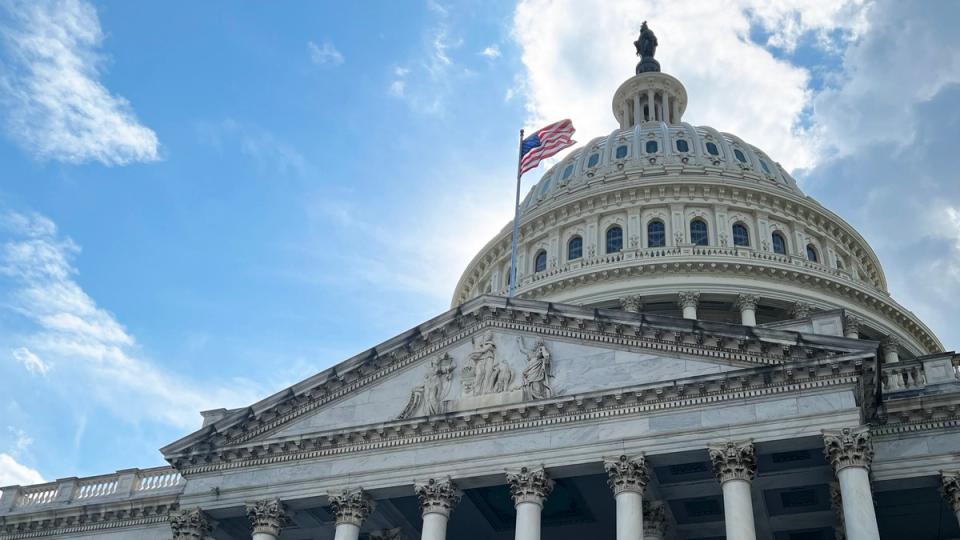


The Digital Asset Market Clarity Act, the crypto industry's top legislative priority, was formally placed on the U.S. Senate calendar this week — but its path to a floor vote is now a zero-sum math problem against roughly eight weeks of Senate work time before the chamber breaks for summer and pivots to midterm election politics. Once FISA reauthorization and an immigration-enforcement funding bill clear, the bill may still need close to a full week of floor time, time it must compete for against a bipartisan housing package, the farm bill, a war-powers resolution tied to U.S. military action in Iran, and the National Defense Authorization Act.
The bill itself remains unfinished. The Senate Banking Committee advanced its version in a narrow bipartisan vote, but a parallel package from the Senate Agriculture Committee cleared on a party-line ballot and is still being negotiated to bring Democrats on board — including a potential arrangement requiring the White House to fill all four vacant seats at the Commodity Futures Trading Commission. A high-stakes ethics provision banning government officials from personal crypto stakes is widely viewed as a dealbreaker for Senate Democrats, though lobbyists are floating a runway period that could let President Trump avoid divesting from his own industry interests. Banking lobbies are also pressing to strip or reshape a stablecoin-yield section they view as a threat to their deposit base, and DeFi advocates are still pushing for explicit legal shielding for developers of non-custodial code.
Why it matters
The Clarity Act would establish the first tailored federal regulatory regime for digital assets in the U.S., drawing a clean jurisdictional line between the SEC and the CFTC for the first time. White House officials had floated a Fourth of July target, but various lawmakers are now pointing to end-of-July or early August timing — the final week before the long recess. If the bill misses that window, a narrow September stretch opens, and then the so-called lame-duck session after the midterms, when defeated and retiring members have roughly four weeks to close out unfinished business. Desperate deals have been made in lame-duck sessions before, but the odds are long, and the political demands of the election cycle tend to harden, not soften, partisan positions.
Market impact
The legislative clock is now the single biggest variable for U.S. crypto market structure, and the calendar is openly hostile to it.
Frequently asked questions
-
What is the Digital Asset Market Clarity Act?
It is the U.S. crypto industry's top legislative priority — a bill that would establish the first tailored federal regulatory regime for digital assets, drawing a clearer jurisdictional line between the SEC and the CFTC for the first time.
-
How much Senate floor time could the Clarity Act need?
The bill may need close to a full week of Senate floor time once it is finalized, against roughly eight weeks of available work time before the chamber breaks for summer and pivots to midterm election politics.
-
Which bills are competing with the Clarity Act for Senate floor time?
Must-pass FISA reauthorization and an immigration-enforcement funding bill take priority first. After that, the Clarity Act competes against a bipartisan housing package, the farm bill, a war-powers resolution tied to U.S. military action in Iran, and the National Defense Authorization Act.
-
What is the main sticking point on the ethics provision?
A provision banning government officials from personal crypto stakes is widely viewed as a dealbreaker for Senate Democrats, but lobbyists are floating a runway period that could let President Trump avoid divesting from his own industry interests.
-
What happens if the Clarity Act misses the summer window?
A narrow September stretch would open, followed by the so-called lame-duck session after the midterms, when defeated and retiring members have roughly four weeks to close out unfinished business — a path that has produced major legislation before, but with long odds.
 Crypto News
 CryptoSlate
 TheBlock
 CoinTelegraph
 Lookonchain
 WatcherGuru