








 CoinDesk
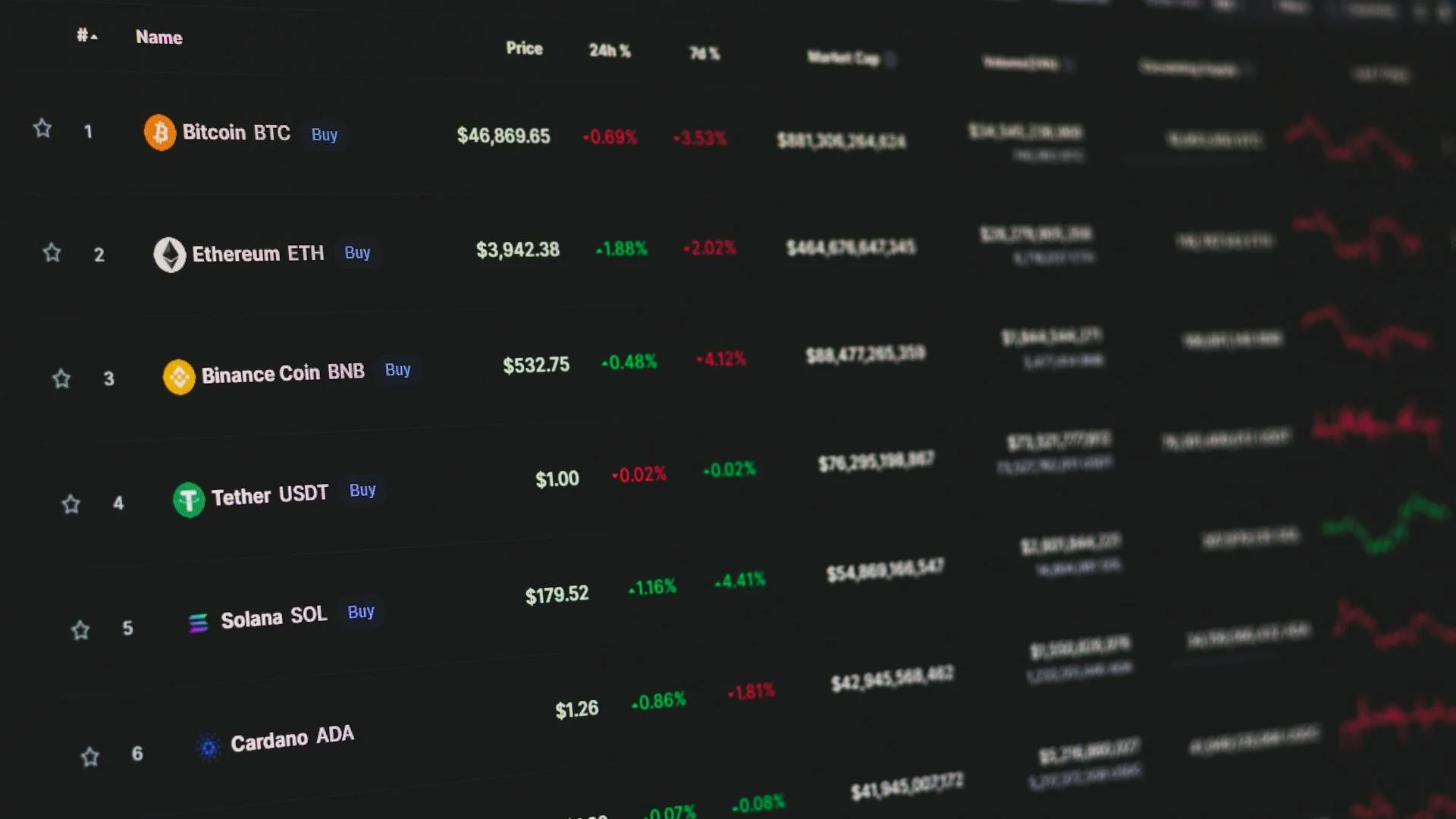



Crypto's "CoinMarketCap leaderboard" era is over, replaced by a fundamentals-first lens that weights revenue, usage and value capture over market-cap rank, according to Bitwise CEO Hunter Horsley and other industry executives speaking to CoinDesk. Wealth managers now entering the space care little about rankings and instead scrutinize individual projects on addressable market and adoption, Horsley said. Wintermute's flow data shows institutional counterparties accounted for roughly 72% of its spot OTC flow in the first half of 2026, up from around 59% a year earlier, with concentration in major cryptocurrencies and a shortlist of revenue-generating tokens.
Why it matters
Perpetual futures still set intraday prices, but revenue and usage now determine which tokens survive drawdowns and make it onto allocator shortlists, Wintermute OTC trader Jasper De Maere said. "Fundamentals set the floor and the shortlist, while flows set the price." That bifurcation has shown up in the market split: cryptocurrencies fell 36% in the first half while crypto stocks rose 23%, per a Bitwise market review, signaling the two cohorts are drifting apart rather than trading as one risk-on bucket.
Market impact
The shift has measurable fingerprints. Hyperliquid (HYPE), which Horsley flagged as an example of project-level analysis, is up roughly 20% over the past year as investors evaluate the derivatives platform's activity and economics rather than its rank against larger chains. Arbitrum's Brendan Ma pointed to fee revenue, fee-paying users and retained onchain capital such as stablecoin balances and tokenized assets as the "credible metrics" that are hardest to manufacture; the network has logged more than 2.7 billion lifetime transactions, including 500 million in 2026, while Robinhood Chain is generating about $40 million in annual revenue under a setup that routes 10% of net protocol revenue back to the Arbitrum ecosystem. Grayscale's Zach Pandl framed the outlook as "very bright" for stablecoins, tokenized assets and DeFi, with a small number of fundamentally strong tokens set to carry the next chapter while weaker projects are left behind.



Frequently asked questions
-
What does the end of the CoinMarketCap era mean for crypto valuation?
Bitwise CEO Hunter Horsley said investors previously valued smaller layer-1 networks as a discount to larger chains ranked above them. That ranking-driven approach is losing ground as wealth managers and institutions focus on each project's revenue, usage and value capture instead.
-
How much institutional flow is Wintermute seeing in spot crypto?
Institutional counterparties accounted for roughly 72% of Wintermute's spot OTC flow in the first half of 2026, up from around 59% a year earlier. The flows concentrated in major cryptocurrencies and a shortlist of revenue-generating tokens, with tokenized real-world assets the main new category.
-
Why is Hyperliquid (HYPE) being highlighted as a fundamentals example?
Bitwise's Horsley cited Hyperliquid as a project where investors can examine trading activity and economics when valuing the HYPE token, rather than treating it as a smaller version of another blockchain. The token is up about 20% over the past year on that lens.
-
What metrics are institutional analysts using to evaluate crypto projects?
Arbitrum Foundation's Brendan Ma named fee revenue, fee-paying users and retained onchain capital such as stablecoin balances and tokenized assets as the metrics hardest to manufacture. Address counts and total value locked can be inflated by incentives or bots, he cautioned.
-
How did crypto tokens and crypto stocks diverge in the first half of 2026?
Cryptocurrencies fell 36% in the first half of 2026 while crypto stocks rose 23%, according to a Bitwise market review. The divergence signals the two cohorts are drifting apart, though it does not necessarily mean stocks will keep outperforming tokens.
 Crypto Rank News
 Whale Alert
 WatcherGuru
 Crypto News
 CryptoSlate