








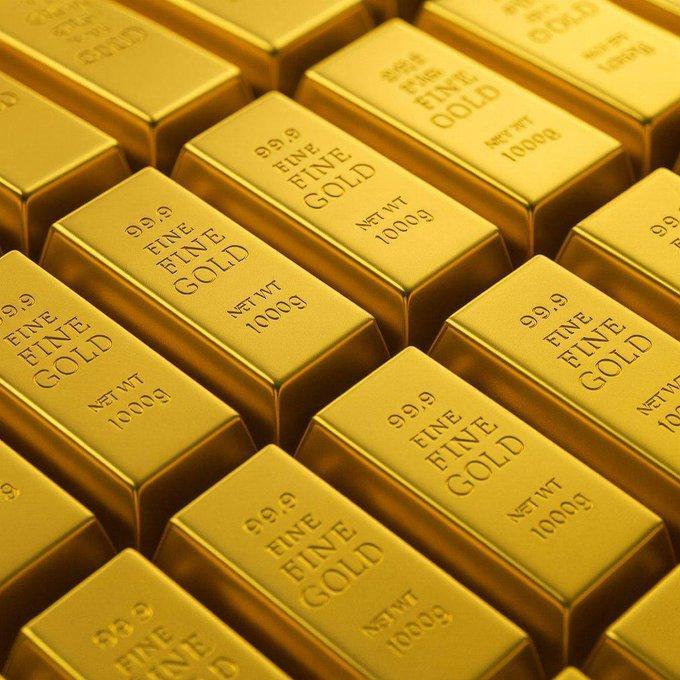
Gold has surpassed U.S. Treasuries to become the world's largest reserve asset, according to the European Central Bank. The shift marks a historic inflection point in how central banks and sovereign institutions allocate their balance sheets — a trend that has been building since the post-2022 sanctions freeze on Russian reserves accelerated de-dollarisation strategies globally.
Why it matters
For decades, U.S. Treasuries were the uncontested anchor of global reserve portfolios, underpinning dollar hegemony and providing the deepest, most liquid safe-haven market on earth. Gold displacing them at the top signals that a meaningful cohort of central banks — particularly in the Global South and among BRICS-aligned economies — have structurally reduced their Treasury exposure in favour of a non-sovereign, sanction-proof asset. The ECB flagging this shift publicly gives the trend institutional legitimacy it previously lacked.
Market impact
The immediate read is bearish for U.S. Treasuries and the dollar's reserve-currency premium, and constructive for gold. If sovereign demand continues rotating out of Treasuries, the U.S. faces structurally higher borrowing costs at the margin. For crypto markets, a weakening dollar and eroding Treasury dominance historically correlate with stronger BTC narratives around hard-asset alternatives — watch for that framing to intensify in the near term.

Frequently asked questions
-
What implications does gold's rise have for U.S. borrowing costs?
As demand shifts away from U.S. Treasuries, the U.S. may face structurally higher borrowing costs due to reduced investor confidence.
-
How does this shift impact the dollar's status as a reserve currency?
Gold overtaking U.S. Treasuries signals a potential decline in the dollar's reserve-currency premium, affecting its global dominance.

 WatcherGuru
 CoinDesk
 Crypto News
 Crypto Rank News
 WuBlockchain