








 CoinDesk

Fairshake, the crypto industry's flagship super PAC, claimed a 6-0 sweep across Tuesday's primaries in Kentucky, Alabama and Georgia, deploying more than $20 million in political advertising across three Southern states in a single night. The PAC has now become one of the largest outside spenders of the 2026 congressional midterm cycle.
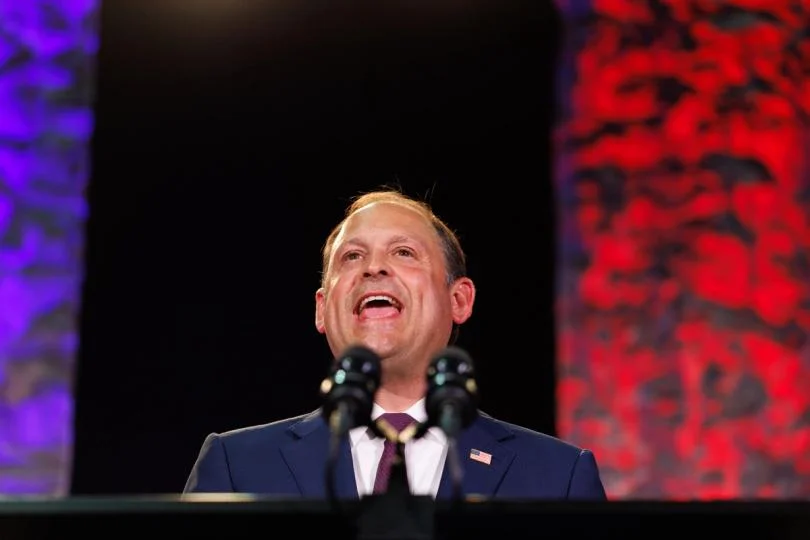
In Kentucky's Senate primary, Fairshacke backed Representative Andy Barr to replace retiring Senator Mitch McConnell, spending more than $7 million; Barr won with over 60% of the vote. In Alabama, the PAC put $7.4 million behind Representative Barry Moore, who led his closest competitor by more than 13 points but fell short of the 50% threshold and now heads to a runoff. In Georgia, Fairshake deployed its largest single-race bet of the night — $4.2 million behind Democratic state lawmaker Jasmine Clark in the crowded primary to succeed the late Representative David Scott — a sum that exceeded the combined fundraising of all ten Democratic candidates in the district and dwarfed Clark's own $1.2 million direct haul.
Why it matters
Fairshake's strategy is to back candidates it judges likely to win in November, then collect on that leverage when crypto legislation hits the House or Senate floor. The PAC's ad buys almost never mention the word "crypto" — instead running on whatever local political messaging it judges most effective — but every backed candidate carries a public pro-crypto policy stance. Jasmine Clark's campaign materials, for instance, called for the US to "reassert ourselves as a leader on emerging technologies — whether that be AI, blockchain or cryptocurrencies" via a "smart, clear regulatory framework." The pattern across Georgia's other House primaries — Republican wins for Jim Kingston at 52%, Houston Gaines at 67%, and incumbent Clay Fuller at 81% — confirms the PAC is willing to fund Democrats and Republicans interchangeably, which broadens its negotiating coalition in a divided Congress.
Market impact
The scale of the spend reframes crypto's posture in Washington: Fairshacke is now operating at the budget tier of a top-tier single-issue PAC, not a niche industry group.
Frequently asked questions
-
What is Fairshake and why does it matter in US crypto politics?
Fairshake is the crypto industry's flagship federal super PAC. It raises and spends money independently of campaigns to elect candidates friendly to crypto policy, and has become one of the largest outside spenders of the 2026 midterm cycle.
-
How much did Fairshake spend in the latest Southern primaries?
Fairshake deployed more than $20 million in political advertising across primaries in Kentucky, Alabama and Georgia on Tuesday, with $7 million-plus bets in the Kentucky and Alabama Senate races and $4.2 million behind Democrat Jasmine Clark in Georgia.
-
Did every Fairshake-backed candidate win their primary?
Five of six candidates backed by Fairshake won outright on Tuesday. In Alabama, Barry Moore led by more than 13 points but fell short of the 50% threshold and now heads to a runoff.
-
Does Fairshake only back Republican candidates?
No. Fairshake backed both Democrats and Republicans in Tuesday's primaries, including Jasmine Clark in Georgia's Democratic primary. The bipartisan approach broadens its negotiating coalition in a divided Congress.
-
What does a Fairshake primary win mean for crypto regulation?
Each Fairshake-backed candidate carries a public pro-crypto policy stance, building the legislative backbone for market-structure, stablecoin, and ETF-related bills that the SEC and CFTC have advanced in parallel.
 WatcherGuru
 WuBlockchain
 CryptoSlate
 CoinTelegraph
 Crypto News
 Crypto Capital Venture